 Zenbird Editorial Team
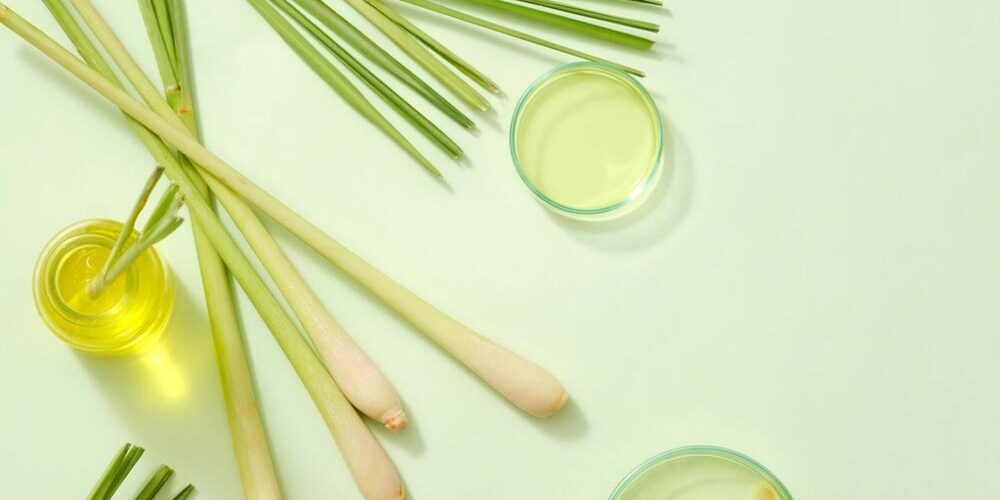
Mie University and Rohto Pharmaceutical have discovered that lemongrass leaves typically discarded in Mie Prefecture possess anti-ageing properties. The findings may seem like an advancement for health benefits, but it’s also an opportunity to use resources that were once discarded.
The joint research confirmed that an ethanol extract from the unutilised leaves suppresses a key biomarker for cellular ageing. This discovery is expected to be used in the development of new products and services that address sarcopenia, the progressive loss of muscle mass and strength that is a growing concern in Japan’s ageing society.
Rohto also pointed out the effective utilisation of these resources could contribute to the revitalisation of the regional economy. The collaboration between Rohto and Mie University began in 2018, focusing on identifying the potential of local resources.
In the study, researchers applied the lemongrass leaf extract to muscle cells that were artificially aged. They also administered it to zebrafish, a model organism known to have an ageing process similar to that of mammals. In both models, the extract significantly inhibited the expression of senescence-associated β-galactosidase (SA-βgal), a known indicator of aged cells.
The research findings were presented at the 9th Annual Meeting of the Japanese Society of Geriatric Pharmacy, which took place in June 2025.
[Reference] Rohto Pharmaceutical Research Development (Japanese)