 Zenbird Editorial Team
Amazon Japan has committed 220 million yen over five years to restore 100 hectares of neglected peri-urban woodland across 20 sites in Japan. It will be carried out in partnership with the National Land Afforestation Promotion Organization (NALAPO). The commitment will target forests located near the Tokyo, Osaka, and Nagoya metropolitan corridors, focusing on ecological rehabilitation, wildlife corridor expansion, and disaster mitigation.
Although forests cover approximately 67 per cent of Japan’s landmass, the nation faces acute woodland management deficits. A long-term slump in domestic timber profitability, an ageing rural workforce, and severe browsing damage by deer have left commercial plantations and traditional satoyama woodlands unmanaged. Unchecked tree growth and dense bamboo thickets suppress native undergrowth, destabilise slopes, and degrade natural water-catchment functions.
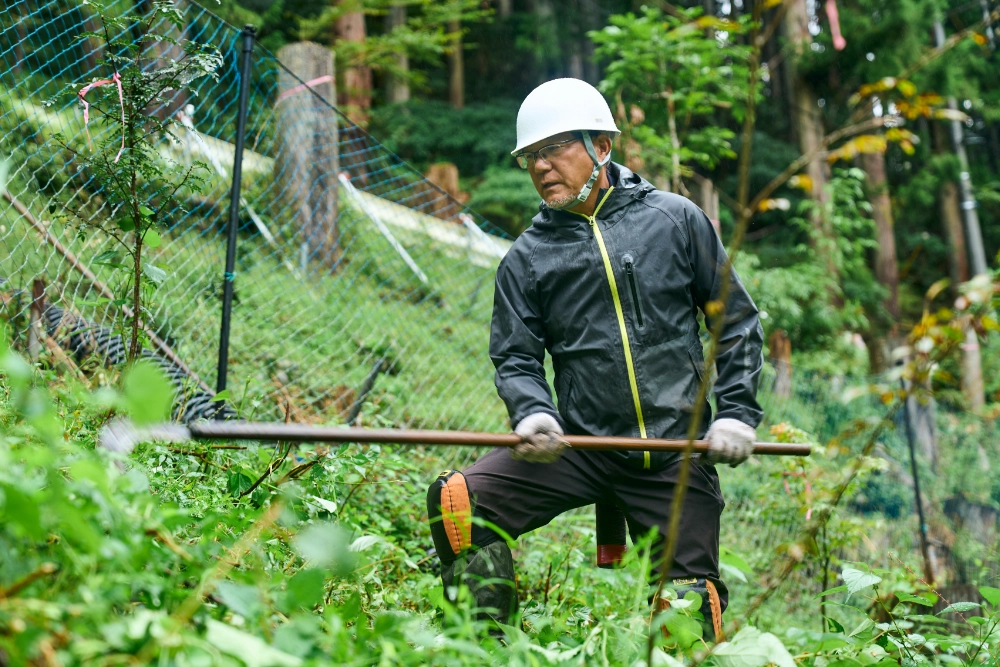
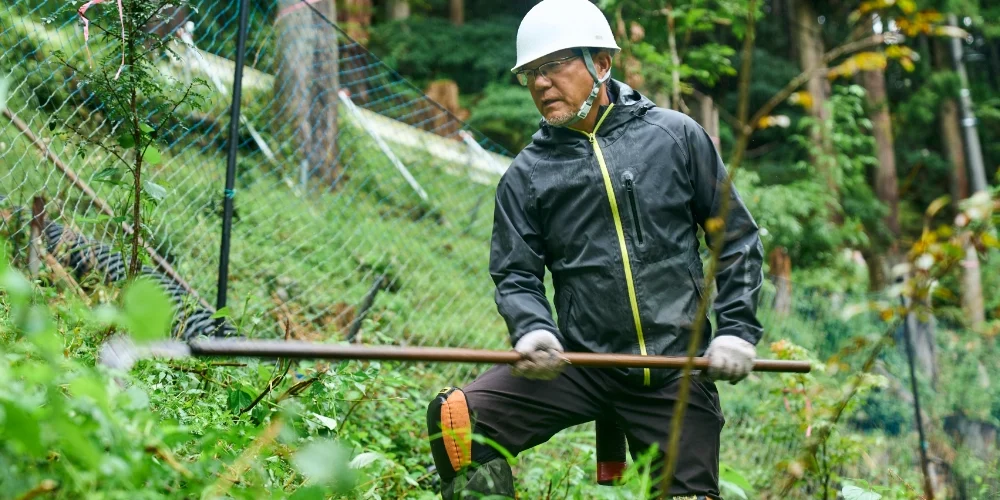
The initiative seeks to qualify all 20 targeted sites as Other Effective Area-based Conservation Measures (OECM), a classification originated during the 2010 Convention on Biological Diversity (COP10) in Nagoya. These designations form a core component of the Japanese government’s commitment to protect at least 30 per cent of its terrestrial and marine ecosystems by 2030, a policy framework better known as 30by30.
Technical planning and ecological verification will support field operations. The Japan Forest Technology Association (JAFTA) assists local conservation teams in establishing formal management schemes required for OECM registration. To track ecological recovery, Kyoto-based technology developer Biome Inc. deploys smartphone-accessible artificial intelligence tools that catalogue and map plant species, enabling visual verification of regenerating vegetation over time.
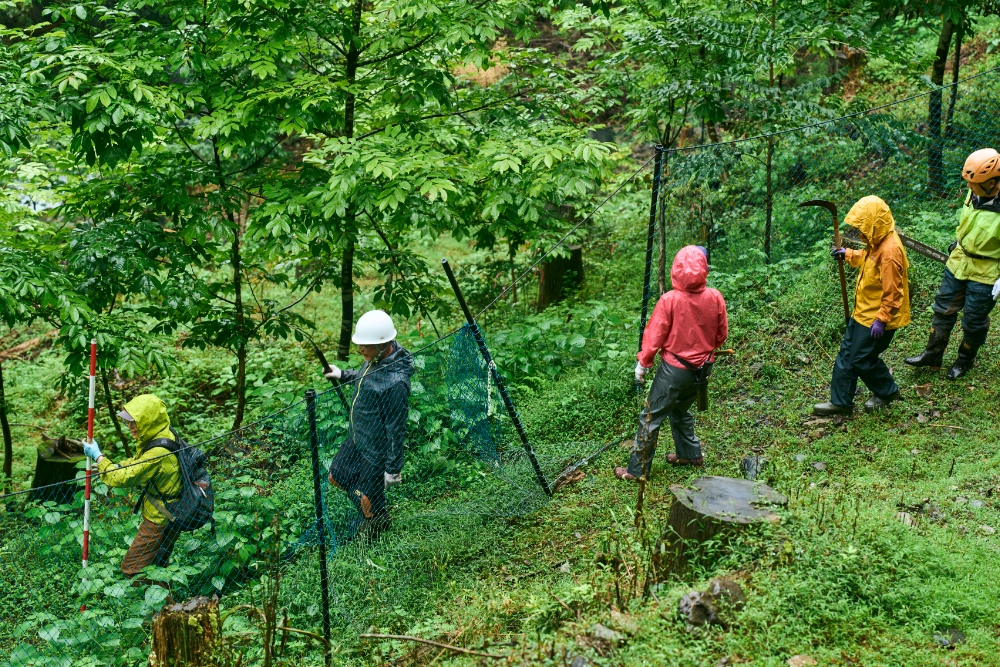
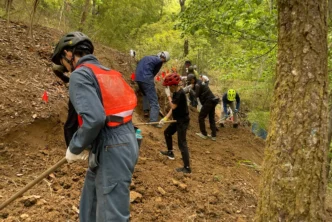
Field activities have commenced at several locations across Honshu. In Chiba Prefecture, non-profit organisation JUON NETWORK has mobilised residents in Mutsuzawa and Otaki to cut back invasive bamboo stands, clear historic trails, and monitor local waterways to support the return of spawning salmon.
In Gunma Prefecture, the Kiryugawa Genryu Forest Design Club is carrying out selective thinning across steep headwater slopes, replacing damaged cedar trees with native deciduous broadleaf species to strengthen riparian habitats for stream fish.
In Shiga Prefecture, local groups and universities are restoring coppice woodlands abandoned for decades in the Lake Biwa and Yodo River watersheds. And in Osaka Prefecture, where volunteers are replanting typhoon-damaged forests in Takatsuki to safeguard freshwater quality downstream.
While corporate capital provides financial support, 100 hectares represents a modest scale compared to the millions of hectares of unmanaged forest across Japan. Community involvement is a central requirement of the five-year plan. The programme plans to engage 72,000 people, comprising 2,000 hands-on volunteers, 20,000 school and university students taking part in experiential outdoor education, and 50,000 symposium attendees.
[Reference] Amazon Japan (Japanese)