 IDEAS FOR GOOD
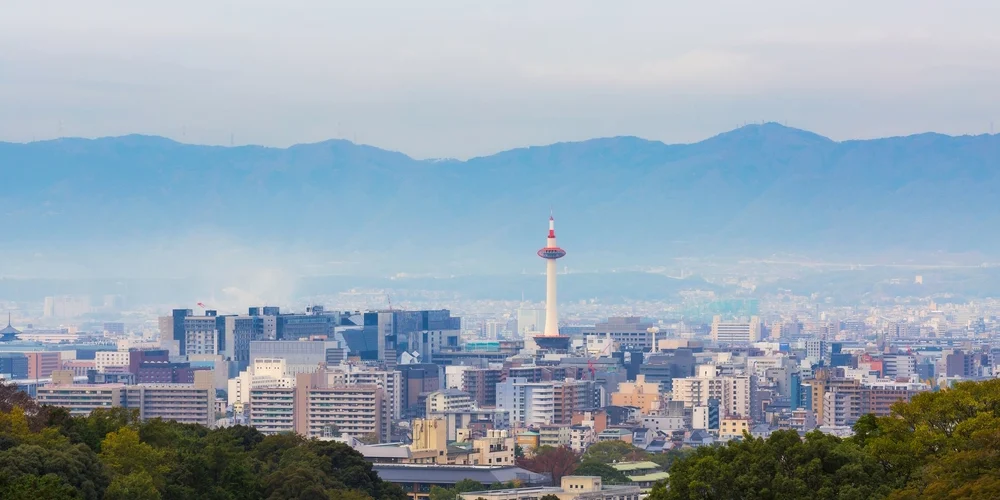
The City of Kyoto is working towards a transition to the circular economy (CE), an economic system that makes efficient, circular and sustainable use of resources while creating added value. Since 2025, it has offered “Circular Business Design School Kyoto” (CBDS), a business development programme for businesses and other organisations based in the city.
Under the concept “Decode Culture, Design Future — Unravelling Wisdom, Crafting Innovation,” the programme has been combining the circular wisdom rooted in Kyoto’s history and culture with advanced circular economy thinking from Japan and overseas, working to create circular businesses.
Circular Business Design School Kyoto (Japanese website)
The programme consists of the “Basic Course,” which teaches the fundamentals of the circular economy; the “Advanced Course,” in which participants tackle concrete business development based on their own business challenges and ideas; the “Networking Event,” which widely invites people from inside and outside the city with a strong interest in the circular economy; and “Commercialisation Support,” which provides hands-on support to help participants bring circular business models to market.
The programme organiser will hold a Final Presentation event featuring participants of the Advanced Course.
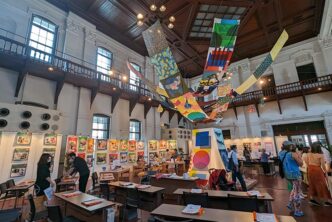
On the day, Advanced Course participants will take the stage and present, in pitch format, the circular business ideas and business concepts they have explored and developed through the course. Exhibits of prototypes and business ideas, mainly by participants, are also planned at the venue.
After the pitches, there will be time for presenters to mingle with each other and with the audience. Asking questions about the presentations directly and exchanging views will provide opportunities to receive feedback that helps the business ideas develop further, and to explore the potential for new collaboration.
The circular economy cannot be realised without collaboration among a diverse range of stakeholders, including companies, local governments, citizens, and educational and financial institutions. The event aims not only to let course participants present their results to date, but also to build new connections that will help bring their businesses into real-world implementation.
The more people who take part, the greater the support for the development of individual businesses and, ultimately, the momentum driving the transition to the circular economy from Kyoto. We look forward to welcoming a wide range of participants from inside and outside the city, including those interested in circular business and those looking for new business or collaboration opportunities.
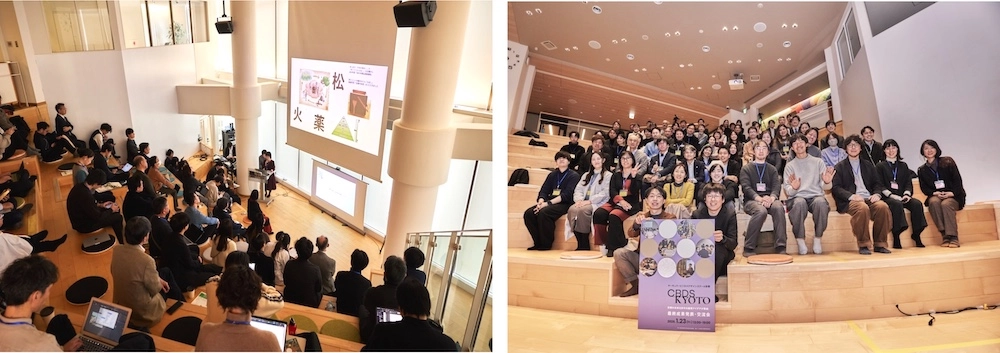
Circular Business Design School Kyoto 2026 so far
In 2026, the programme consisted of the “Basic Course” (three sessions) on the fundamentals of the circular economy; a “Networking Event” widely inviting people from inside and outside the city with a strong interest in the circular economy; the “Advanced Course” (three sessions) for concrete business development; and “Commercialisation Support,” providing hands-on support to help participants bring circular business models to market.
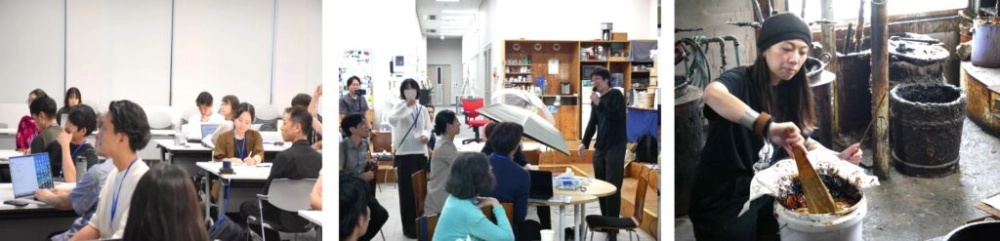
[Basic Course]
Session 1: “Circular Economy Fundamentals Lecture” — The Cutting Edge of CE and Kyoto’s Potential
Participants learnt about the latest trends and pioneering case studies from Japan and overseas, along with the circular wisdom rooted in Kyoto’s traditions and culture, and considered the potential of circular business.
Session 2: “Kyoto Tradition and Culture × Circular Design Workshop” — Developing Circular Business Ideas
Participants re-examined the circular wisdom rooted in Kyoto from a circular design perspective and explored new business ideas using tools such as card decks.
Session 3: “Kyoto City Fieldwork” — Learning from Circular Practices in the City
Participants visited businesses and sites in Kyoto that put circular initiatives into practice, and drew on what they learned on site to find ideas for making circular business a reality.
[Networking Event]
“Circular Gathering Kyoto” — Envisioning a Circular Kyoto from 1,200 Years of Wisdom
The event featured a panel discussion themed on Kyoto’s traditions and culture and on circular practices rooted in the region, and a workshop in which participants networked using a map depicting Kyoto’s circularity. Participants from a wide range of backgrounds, including companies, universities and support organisations, came together and built connections that could lead to the co-creation of circular businesses.
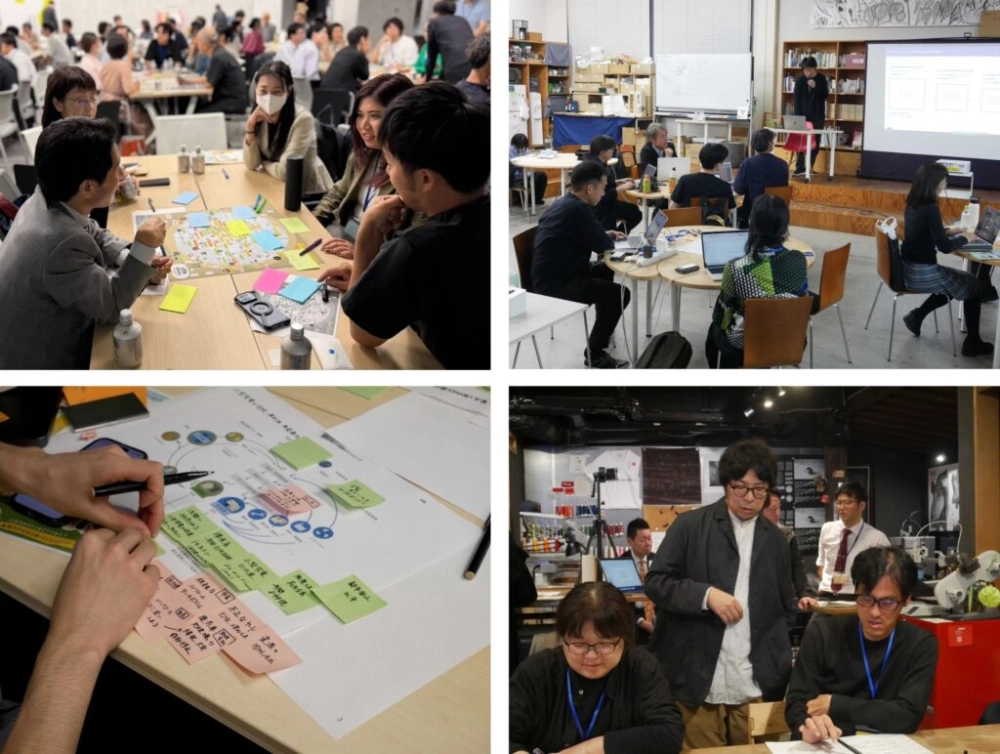
[Advanced Course]
Session 1: “Circular System Design Workshop” — Drawing the Circular Ecosystem You Want to Realise
Participants learnt the “circular system design” perspective needed for the transition to the circular economy, and created circular diagrams visualising the resources and stakeholder connections surrounding their own businesses.
Session 2: “Circular Business Design Workshop” — Embedding CE Principles into Business Models
Participants learned methods for embedding circular economy principles into their own business models and worked on creating circular business model canvases.
Session 3: “Circular Product and Service Design Workshop” — Visualising Solutions Through Prototyping
Participants learned design methods for circular products and services and practised quick prototyping to give their ideas tangible form. With experts from both product and service fields invited, participants worked on prototypes suited to their respective business concepts.
Programme
[Part 1: Final Presentation Event]
13:00: Opening / Introduction to CBDS
13:10: Remarks from the City of Kyoto
13:15: Introduction of mentors (commentators)
13:25: Presentations and commentary (1): first six teams
14:40: Break
14:50: Presentations and commentary (2): second six teams
16:05: Break
16:15: Programme wrap-up
16:25: Mentor comments
16:45: Adviser comments
16:55: Closing / group photo
*Online streaming is available for Part 1 only.
[Part 2: Networking Event]
17:00: Mingling
18:00: Close
*The schedule on the day is subject to change.
Event overview
Date and time: Saturday, 19 December 2026, 13:00–18:00 (registration and doors open at 12:30)
Format: Hybrid (in person and online via Zoom). Online participants will be sent a Zoom link by the day before the event.
Venue: KOIN (Kyoto Economic Center), 3rd Floor, 78 Kankoboko-cho, Shijo-dori Muromachi Higashi-iru, Shimogyo-ku, Kyoto
Capacity: 50 in person / 100 online
How to register: Please register via the Peatix page.
Fee: Free
What to bring: Personal reusable bottle or lidded cup. (We will provide a small selection of drinks on the day. They will be poured from a dispenser, so please bring a bottle or cup with a lid.)
Who this event is for
- People interested in the circular economy and circular business who would like first-hand exposure to practical initiatives and business concepts
- People looking for circular business prototypes, new business ideas, or hints for creating business models
- People interested in collaborating and co-creating with diverse stakeholders such as companies, local governments and financial institutions
- People who want to use their company’s assets and expertise to advance circular initiatives in Kyoto in collaboration with others
- People who want to learn about the programme’s content and results so far
Pitch presenters (scheduled)
*In no particular order
- Shigehiko Nishida / Minnano Joshuseki Inc.
“‘Youth, Passenger-Seat Ticket’ — Every Person Beside You Widens Your World” - Shuhei Kobayashi / Takenomukou
“From Neglected Bamboo Forests to a Resource That Keeps the Local Economy Circulating” - Risako Kasamatsu / antiqueHONAMI
“Starting with Kimono? A Circular Keyring” - Suzuyo Watanabe
“Water-Sprinkling Exercise! A Kyoto Journey to Experience Green Infrastructure and the Water Cycle” - Hiroyuki Mochida / Earth Conscious LLC
“Let’s Create a Park That Generates Many Kinds of ‘Circulation'” - Naoki Hagiwara / URBAN RESEARCH Co., Ltd., SDR (Sustainability Promotion) and Internal Audit Office
“Pet Wear from Clothes You Have Finished Wearing — Circular Design Premised on Upcycling” - Takahiro Tsubonuma / Kyoto Fertiliser Project (Shibuya Hiryou LLC)
“Kyoto Fertiliser — Solving Kyoto’s Local Challenges by Turning Commercial Food Waste into Fertiliser and Compost” - Akinori Tomura / Design Office Atelier Bond
“Architecture That Changes Its Clothes — A Dress-Up Circular System” - Sachiyo Kitsuka / The Japan Wool Textile Co., Ltd. (NIKKE)
“Creating New Value from Selvedge — Giving Shape to Possibilities Through Manufacturing and Co-creation” - Toshiki Ishida / Panasonic Operational Excellence Co., Ltd., Design Division, CE Team
“Building Kyoto’s Urban Mine, Starting with How We Dispose of Small Appliances” - Chisayo Tamaki / KYOTO VEGAN
“Fermented Beverages — Non-Alcoholic Drinks That Let You Taste Terroir” - Naoko Matsuda / Hibana Co., Ltd.
“Spreading Hibachi (Charcoal Brazier) Culture from Kyoto — A Life with Fire and Wood”
Mentors and Circular Business Advisers attending on the day
*In no particular order
[Mentors]
Isao Kitabayashi, Cultural Business Curator / EDONOMY Researcher
Born in Kashihara, Nara Prefecture. His vision is to build a society where people can live smiling amid beautiful nature. After working at Osaka Gas and Globis, he came to realise that local culture holds the wisdom needed to achieve this vision, and studied “cultural business” at the Doshisha Business School. In 2013 he founded COS KYOTO Co., Ltd. Operating from two bases, in Kyoto and Kashihara, he offers training and journey-style programmes for learning local wisdom, and works on regional revitalisation, sales channel development and human resource development. He is also known as a researcher of “EDONOMY” (wisdom learned from the Edo period), re-evaluating the wisdom embedded in regional traditional techniques and local culture and environment, and refining it into high-value-added businesses suited to modern society. He also serves in public roles including Representative Director of the DESIGN KYOTO and university lecturer, and, as a hub connecting industry, academia and government, is actively engaged in nurturing next-generation leaders and promoting international cultural exchange.
Feilang Tseng, Founder, ROOTS Co. / Social Designer
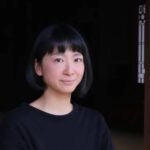
She studied Human Centered Design in San Francisco and, after returning to Japan, oversaw the planning and UI/UX design of medical and health devices. After encountering a 250-year-old kominka (traditional house), she moved to Keihoku, Kyoto, and founded ROOTS Co. She offers regional revitalisation-oriented training programmes in which students from Japan and overseas learn “Nature Centered Design.”
Mariko Sugita, Representative Director, for Cities

She completed Urban Studies at the Free University of Brussels in 2016. In 2021 she founded for Cities, an urban experience design studio, in Amsterdam, and as co-representative director leads participatory urban design and community development projects in Japan and overseas. She moved her base to Kyoto in 2019 and launched “Bridge Studio,” a multi-purpose art facility in Sakyo Ward, Kyoto, created by renovating a Western-style house built in 1934. She is involved in urban policy-making and community development in Kyoto. Drawing on her experience of living in Europe, North America, Africa and elsewhere, she moves lightly between Japan and overseas, working in cultural and arts curation, in producing, directing and facilitating new programmes, and in her own artistic practice. Her co-authored and edited books include Multi-Location Practice: The Future of Architecture and Urban Placemaking (2023) and Working Overseas and Across Multiple Bases: Architectural and Urban Practices by Sixteen Groups (2025, published by Yuubooks).
Masayuki Terai, Representative, Gomi no Gakkou Inc. / Circular Economy Adviser, Hamada Co., Ltd.
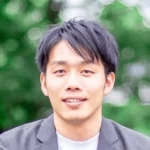
Born in Kameoka in 1990. After graduating from the University of Hyogo’s School of Human Science and Environment in 2013, he joined Hamada Co., Ltd., where he set up the Circular Economy Co-creation Promotion Office. Drawing on strengths unique to an industrial waste treatment company, he has run demonstration projects towards a circular economy with many partners, including local governments and companies. Wanting to create a place where everyone, from businesspeople and homemakers to children, can learn the facts about waste, he later founded Gomi no Gakkou Inc., which delivered waste-related lectures to a total of 4,000 people within two years. He also runs a community of more than 2,500 members in the Facebook group “Gomi no Gakkou.” He continues to work with multiple companies and local governments, taking on new challenges every day to create a new circular society and new services.
Kosuke Kinoshita, Brand Manager, FabCafe Kyoto

After graduating from Kyoto Prefectural University, he joined Loftwork in 2015. He has been involved from the outset in launching “MTRL (Material),” which supports co-creation and innovation among manufacturers starting from materials, and “FabCafe Kyoto,” a community hub built around the keywords of technology and creation. He is putting into practice “creating places where chemical reactions happen” and “designing contexts that connect things from different fields.” He is a certified social worker and a part-time lecturer at Kyoto Seika University.
Natsumi Tabusa, Representative Director, Commoning Studio Inc.

She leads projects that start from locally rooted materials and skills and bring to society experiences (“Transformative Experiences”) that spark changes in how individuals see things and act. She studied cultural anthropology at Kobe University and joined a diversified chemical manufacturer in 2011, working in management accounting within its accounting and corporate planning departments. In 2015 she joined aeru, which does business with Japanese artisans, where, as head of western Japan operations, she drove new business initiatives including setting up the Kyoto base, planning hotel interiors and developing educational programmes. In 2021 she moved to the UK and completed a master’s in Service Design at the Royal College of Art. She is now based in Kyoto.
[Circular Business Advisers]
Akihiro Yasui, Representative Director, Circular Initiatives & Partners Inc. / Growth Strategy Promotion Adviser appointed by the City of Kyoto
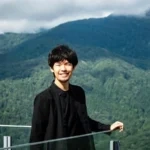
Born in 1988. He graduated from the master’s programme “Sustainability, Society and the Environment” at Kiel University, Germany. In 2021, in recognition of his work spreading circular economy practice and theory across Japan, he received the Prime Minister’s Encouragement Award (Grand Prix) at TOYP2021, often called the “youth version of the People’s Honour Award.” Beyond companies and local governments, he has served as circular economy adviser and planning producer for music events such as Kyoto Music Expo and Mori, Michi, Ichiba, helping build resource circulation systems from both the public and private sides. Since 2023 he has co-hosted the conference event “Toshi to Junkan” (Cities and Circularity). In 2022 he founded Happoryoka, a confectioner that created “Kyo Stollen” from Kyoto by-products and off-spec ingredients, including plums left over from making umeshu (plum liqueur), nama yatsuhashi (soft Kyoto confection), sake lees, okara (soy pulp) and lemon peel, in partnership with welfare workshops that handle production. He was a part-time lecturer at Kyoto Seika University in the 2023 and 2024 academic years. The “Kurokawa Onsen Area-wide Community Compost Project,” for which he serves as adviser, received the Award by Director Environment and Economy Division, Ministry of the Environment at the Sustainability Award 2020. He is the author of Circular Economy in Practice: Exploring Business Models in the Netherlands (published by Gakugei Shuppansha).
Yosuke Konaka, Circular Economy Lead and Senior Research Officer, TBF Team, Sustainability Promotion Department, Sumitomo Mitsui Trust Bank
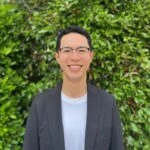
After joining a major electrical and electronics manufacturer, he worked on materials development for home appliances and on new business development. In 2022 he joined Sumitomo Mitsui Trust Bank and became part of the Technology Based Finance (TBF) team, a group of technical specialists. To support the transition of Japanese industry to the circular economy, he works on forming and promoting projects, and on financing, in collaboration with companies, local governments and universities. He led the release of the Circular City Transition Guide and Indicators and the launch of the Circular Economy and Nature Positive Fund I. He serves as a member of study committees for the Ministry of the Environment, the Ministry of Economy, Trade and Industry and local governments, as a mentor for accelerator programmes and as a judge at pitch contests, among other circular economy-related roles.
Programme partners
SILK (SOCIAL INNOVATION LABORATORY KYOTO) / Impact Hub Kyoto / Community Bank Kyoshin / Kyoto Research Park / Kyoto Shisaku Net / FabCafe Kyoto (Loftwork Inc.) / COS KYOTO Co., Ltd. / ROOTS Co. / AMITA HOLDINGS CO., LTD. / Junkan Fes / Cities and Circularity / Gomi no Gakkou Inc. / Sustainable Restaurant Association Japan / B Market Builder Japan / Sumitomo Mitsui Trust Bank, Limited / Zero Waste Japan / TERA Energy CO., LTD. / Kyoto Wisdom Industry Creation Center
What is Circular Business Design School Kyoto?
Decode Culture, Design Future
Unravelling Wisdom, Crafting Innovation
Nurtured over 1,200 years of history, Kyoto has assets that continue to shine across the ages: the spirit of shimatsu no kokoro (using things thoughtfully and wasting nothing), a circular way of living, and a culture of craftsmanship. Participants unravel this wisdom and learn about pioneering practices in Kyoto, the world’s most advanced circular design, and circular business models. They take a fresh look at their own strengths and create new innovations together with peers. This programme is a place of learning and creation that combines Kyoto’s circular wisdom with a forward-looking mindset, so that participants can envision the future they want together and begin moving towards making it real.
URL: Circular Business Design School Kyoto
Organiser
Environmental General Affairs Division, Environmental Planning Department, Environment Policy Bureau, City of Kyoto
Operated by
Artiql Inc. (commissioned to run the project)
Enquiries
Programme enquiries: Artiql Inc. (Contact person: Takasugi)
E-mail: contact@cbdskyoto.jp
Press enquiries and matters relating to promoting the transition to the circular economy: Environmental General Affairs Division, Environmental Planning Department, Environment Policy Bureau, City of Kyoto (Contacts: Sakurai and Tsuji)
TEL: +81-75-222-3450
E-mail: kankyosomu@city.kyoto.lg.jp