 Roger Ong
A flip of the switch and the lights come on. A press of a button and warm water runs. Online grocery shopping without having to step out the door. These are only a fraction of the conveniences we enjoy today. In the eyes of our ancestors, we do live in a miraculous era.
But they might not envy us entirely if they saw what we have lost in exchange for convenience: the merits of inconvenience. And this feeling may be clearest when we look at Japan’s context.
Resource was visible, and we were involved
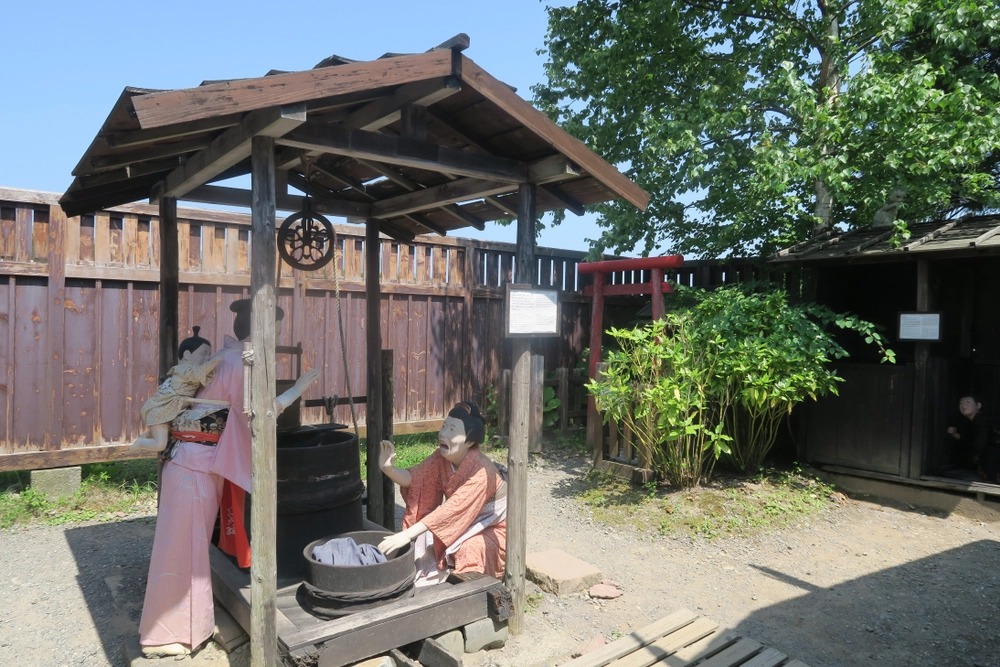
Take water access as an example. Before modern plumbing, people drew water from mountain streams, wells and rivers. Carrying it home was hard work. But the bucket of water on the shoulder taught people to be highly conscious of water quality. Different types of water were kept for different uses, and users were careful not to waste a drop.
The effort made water as a resource visible. Today water arrives quietly and reliably, but we forget how water is finite. And this extends to many things we take for granted, like electricity and food, since there is no effort from us to acquire them.
Effort makes things worth keeping
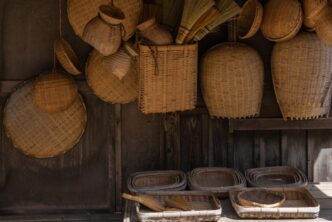
Acquiring is not the only way effort manifests itself. In old Japan, people made a great deal by hand, not only food like miso and soy sauce but also clothes and tools. Women cherished fabric and sewed scraps together into new work garments. Clothes and tools were repaired before they became too damaged, which fostered a deep attachment to one’s belongings over the years of use.
And if you thought about mottainai, you’d be right (it is a sense of regret when something still useful is wasted). It is hard to feel casual about discarding a jacket you have patched three times. At this point, repair becomes the preferred choice rather than discarding.
Even shopping carried the same thinking back then. Travelling merchants went from house to house with expensive items such as sugar, salt and sweets, sold by weight so that families bought only what they needed.
Preparing ahead as a peace of mind
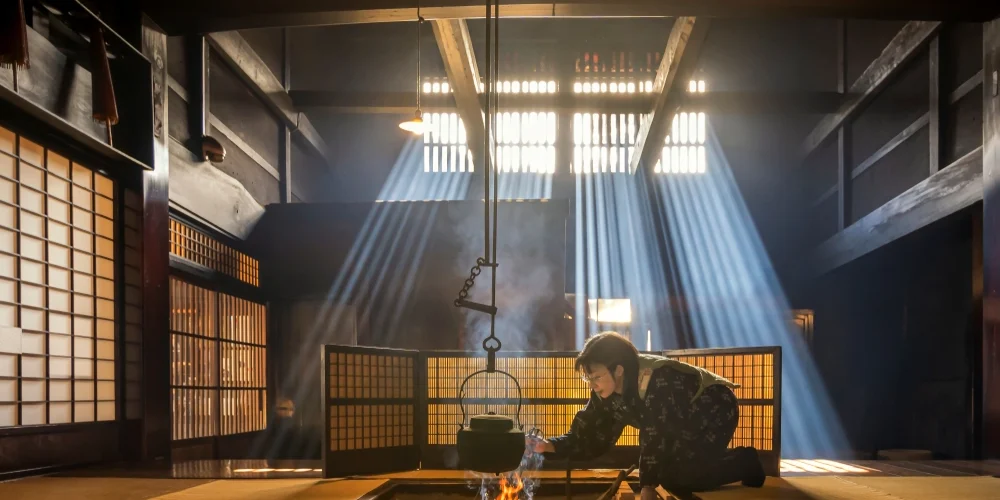
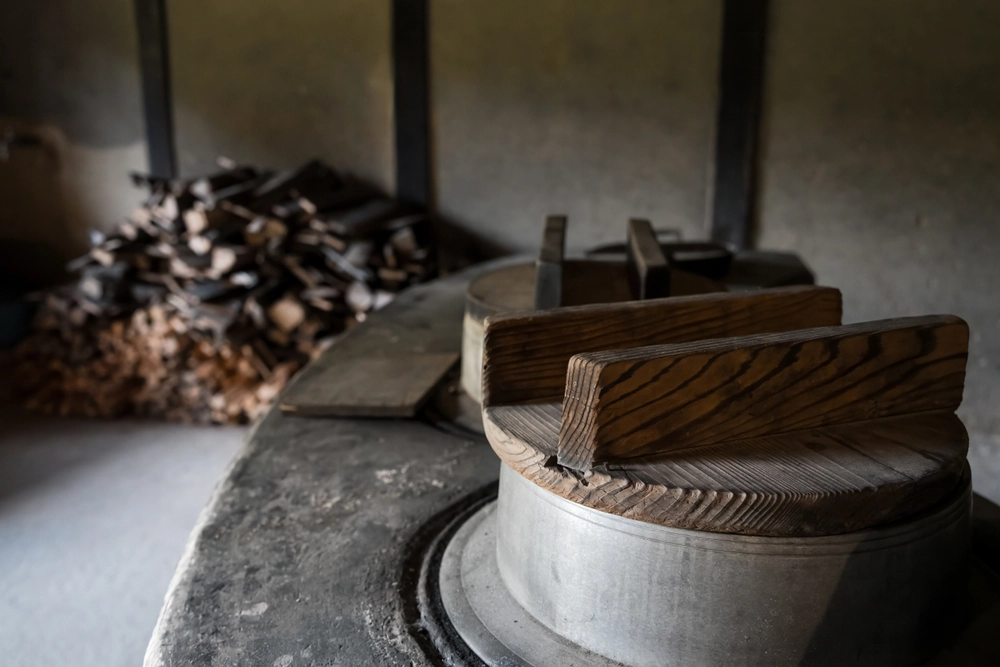
In a way, people in old Japan were experts at preparation, making plans for six months to a year ahead. Firewood was stocked for a full year, and some households stored enough for a decade. Harvests were salted, dried in the cold air or fermented into pickles and miso, which, again, took considerable time and effort. With these preparations, households were able to make it through poor harvests and natural disasters.
The inconvenience came from putting in the work now, for a peace of mind against unseen circumstances. However, today we choose the convenience of shopping malls, which are dependent on long supply lines. Individually, we lost the knowledge of growing food; nationally, Japan has a low food self-sufficiency rate (37% in 2025), the lowest among the G7 economies, according to the agriculture ministry.
With constraints came creativity
Revisiting the point on resources, scarcity brought about innovation. This may be the biggest loss in convenience. For example, craftspeople understood that the materials they worked with did not come easily, so they made things repairable rather than replaceable. They worked within the constraints, adapted to changes and innovated methods to extend the lifespan of products.

Scarcity also meant knowing “just enough,” but still getting the most happiness or value out of it. In our earlier column, “What Edo-Period Japan can teach us about a naphtha shortage“, we looked at how prioritising where resources are used can maximise value. It also meant not giving in to excess, such as serving sake the mokkiri way, in which a fixed measure is poured so that no one drinks too much, or hara hachi bunme, the habit of eating only until you are 80% full.
How we can put the merits back in today
It’s not just about finding the merits in inconvenience. In many ways, life was more sustainable way back then, centuries before terms like “sustainability” and “circular economy” were a thing. There are many sustainable values that formed the cultural foundation for a sustainable Japan.
The argument is not to discard convenience and embrace inconvenience (and definitely not to romanticise the past.) It is strange that sustainable values were abandoned for convenience, rather than kept and used to guide how convenience was adopted. There is common ground where sustainability and convenience can coexist, which is why we often say that going sustainable does not necessarily mean sacrifice or discomfort.