 Roger Ong
We’ve talked about Circular Edonomy® before, an idea championed by Isao Kitabayashi, representative of COS KYOTO and an Edonomy researcher, that Edo-period Japan ran something close to a genuine circular economy, centuries before the term existed. However, we do get questioned: while it’s a beautiful piece of history, how exactly can we apply it today?
Kitabayashi recently shared with us an essay he published, “When the Naphtha ‘Magic’ Disappears: What Edo-Period Japan Can Teach Us About Materials in Crisis”, which I thought is a perfect example.
In the naphtha supply shortage that occurred earlier this year, Kitabayashi saw parallels in the sustainable materials used in Japan’s Edo Period and the need of alternative materials in modern world. With his permission, we will share the wisdom he and COS KYOTO have uncovered in his research.
Japan is exposed due to shortage of naphtha
However, before we can dive into it, we need to understand why the naphtha supply shortage affects Japan so badly.
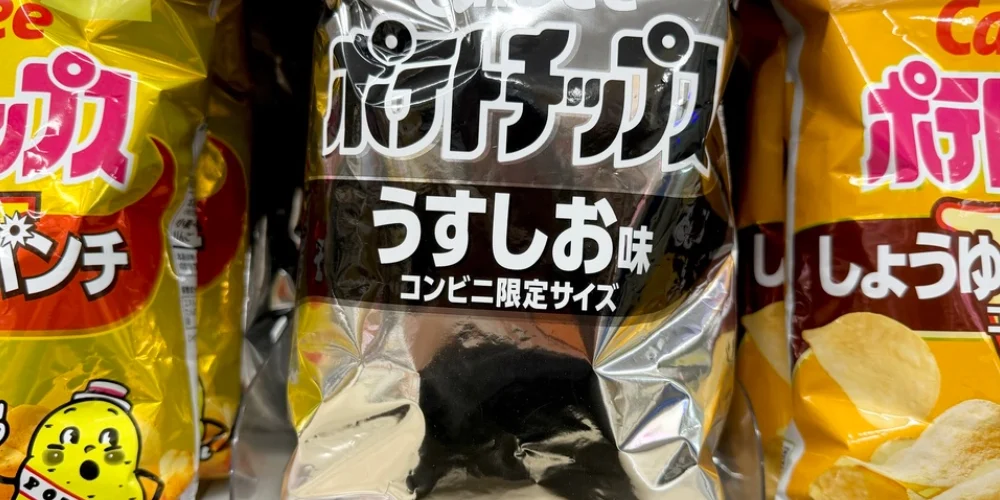
Naphtha is the light fraction distilled from crude oil, and it’s the feedstock for ethylene, propylene, benzene and the other basic petrochemicals that become plastic, synthetic fibre, synthetic rubber, paint and synthetic detergent. Kitabayashi breaks down naphtha’s downstream uses by volume: roughly 64% becomes synthetic resin (plastic), 8% synthetic fibre, 8% synthetic rubber, 5% paint, and 2% synthetic detergents and surfactants.
In other words, naphtha is in almost all part of daily life, from PET bottles and shopping bags to shirts and tyres, to shampoo and insulation.
Yet, more than 80% of Japan’s naphtha supply is dependent on the Middle East. With the Strait of Hormuz disruption since April 2026, that dependency has stopped being an abstract risk and has become a live cost. Insulation material made from expanded polystyrene, for instance, already carries a 40% price rise from April shipments onward, with knock-on effects for housing costs still working through the system.
What Edo Japan used instead, and whether it holds up today
Kitabayashi looks at different categories of naphtha-derived material, asking what pre-petroleum Japan used instead, and whether that answer still holds up today.
Clothing
Around 90% of all fibre produced today is synthetic. Contrasting with Edo Period wardrobes, they ran entirely on four natural fibres: cotton, hemp, silk and wool. Garments were re-tailored and mended repeatedly, worn until they could serve no further purpose, then finally burned to ash. This was the circular culture which embodied the spirit of mottainai, a reluctance to let something still valuable go to waste.
Good thing how natural fibres are still produced today at scale worldwide and perform perfectly well by modern standards. New bio-based fibres like polylactic acid are in development. Kitabayashi suggests reviving what already worked is one of the more realistic near-term substitutes.
Containers and packaging
Where today we reach for PET bottles, plastic bags, cling film and polystyrene trays, Edo Japan used wood, bamboo, ceramics, lacquerware, washi paper, magnolia and persimmon leaves, bamboo sheaths, and thin wood shavings called kyogi.
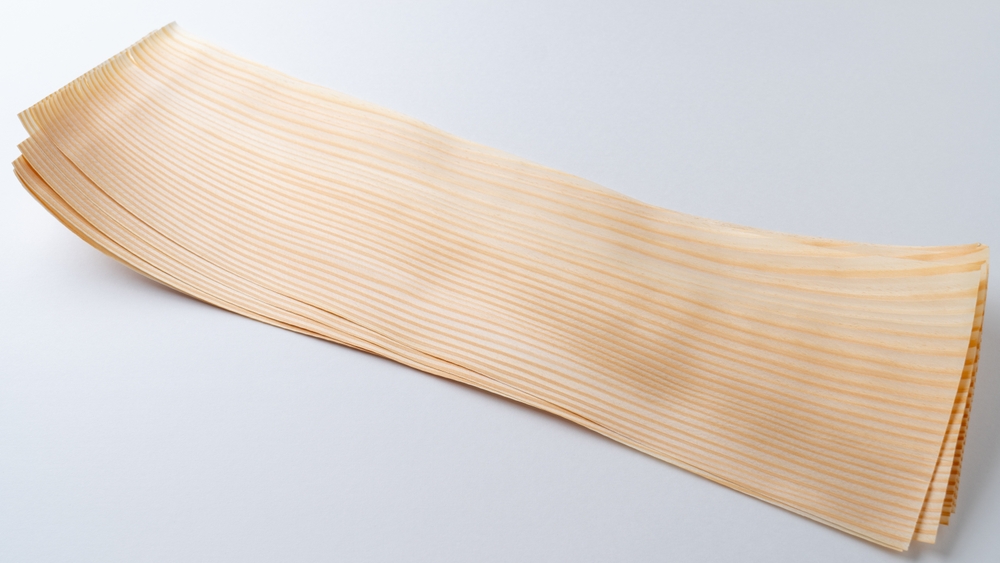
Sake flasks, tiered lacquer boxes, folded wooden trays remain in everyday use in Japan, and glass, ceramic and bamboo containers already do the same job with no food-safety compromise. Beeswax wrap, increasingly popular worldwide as a plastic-wrap alternative, is essentially a modern reinvention of the old leaf- and bamboo-skin wrapping.
Detergents and soap
Synthetic detergent’s active ingredient is a surfactant built from benzene (naphtha-derived). Its bottle usually is, too, so doubling the price pressure when naphtha gets scarce.
The Edo-period cleaning cupboard held wood-ash lye (alkaline, effective on grease), rice bran (a natural surfactant), funori seaweed paste, soapwort (rich in saponins), and true soap rendered from animal or plant fats. Soap, baking soda and citric acid are still cheap and widely available today, with cleaning power that matches or beats synthetic detergent.
Kitabayashi notes that this is an area ready for substitution right now, suggesting wash-U, a modern potassium-based alkaline ionised water cleaner, as essentially a contemporary descendant of Edo-era ash lye.
Paints and adhesives
Edo Japan relied on urushi lacquer, kakishibu (fermented persimmon tannin), bengara iron-oxide pigment, rice paste, seaweed glue, pine resin and beeswax. Lacquer, still used by artisans across Japan, actually outperforms synthetic paint on water resistance, durability and antibacterial properties. Kakishibu remains a working waterproofing and preservative treatment for building materials and textiles. Linseed-oil-based natural paints are already mainstream in Europe.

On the other hand, acrylic paint, urethane adhesive and paint thinner are all naphtha products. Unfortunately, thinner still has no comparable substitute yet.
Building materials and insulation
Modern construction leans on polystyrene foam, polyurethane foam and PVC piping. Edo buildings were made of earthen walls, plaster, timber, thatch, washi and bamboo. And researchers are now re-examining just how good earthen walls and thatched roofs are at insulation and humidity control. Cellulose insulation made from recycled paper, wood-fibre insulation and wool insulation are already commercially available substitutes for naphtha-based foam.
Doesn’t mean the Edo period has all the answers
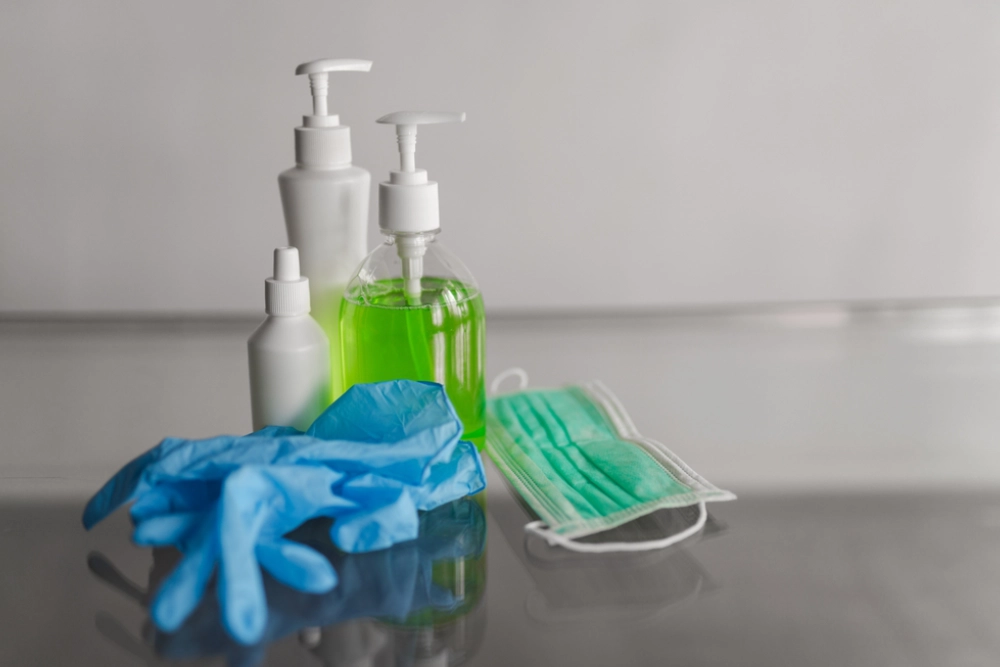
Kitabayashi is careful not to overclaim. Clothing, containers, detergents, paint and building materials can largely fall back on pre-petroleum precedent or existing bio-based alternatives. Medical gloves, syringes and tubing, semiconductor photoresist, electronic insulation, and precision medical equipment cannot. There was no Edo Period equivalent, and none of today’s substitutes are close to ready.
Edo Period hints prioritising and solutions in constraints
Kitabayashi argues that if naphtha becomes scarce, the issue isn’t really substituting, but prioritising. Should petroleum earmarked for single-use PET bottles and shopping bags be treated the same as petroleum destined for medical tubing?
Edo-period Japan was operating under real material constraints, and was remarkably precise about material use. Each material assigned to the use where it delivered the most value, repurposed as it aged, and finally returned to the soil as ash. Every material was simply given the role where it mattered most, rather than driven by the concept of prevention of waste.
In contrast, modern society often spends a resource that took the planet hundreds of millions of years to accumulate on something we intend to throw away within minutes, and then watches a share of that plastic end up polluting the ocean. Kitabayashi reads history as a repeating cycle of expansion, limit, breakthrough, expansion again, and sees the current naphtha squeeze as another limit point. In his view, the next breakthrough isn’t securing more oil, but rediscovering the prioritisation logic Edo Japan already perfected.
Furthermore, a supply shock is undoubtedly inconvenient. But Kitabayashi also sees it as a chance to ask, material by material, what a resource is actually for, and whether we’ve been spending it well. Edo-period Japan built a working, centuries-long material culture without naphtha. That’s not a call to abandon modern life for lacquerware and hemp cloth wholesale. Rather, it is a reminder that the knowledge for a lower-impact, more deliberate way of using materials already exists and is waiting to be taken seriously again.
[Reference] When the Naphtha “Magic” Disappears: What Edo-Period Japan Can Teach Us About Materials in Crisis (Japanese)[Website] COS KYOTO Homepage
[Website] EDONOMY® Feature Page