 Roger Ong
Side by side on an altar of a shrine in northern Kyoto, lie a drill bit, a pair of pliers and an iPad with stickers. These items are no longer used by their owners. However, these same items are receiving thanks for their assistance in their owners’ work.
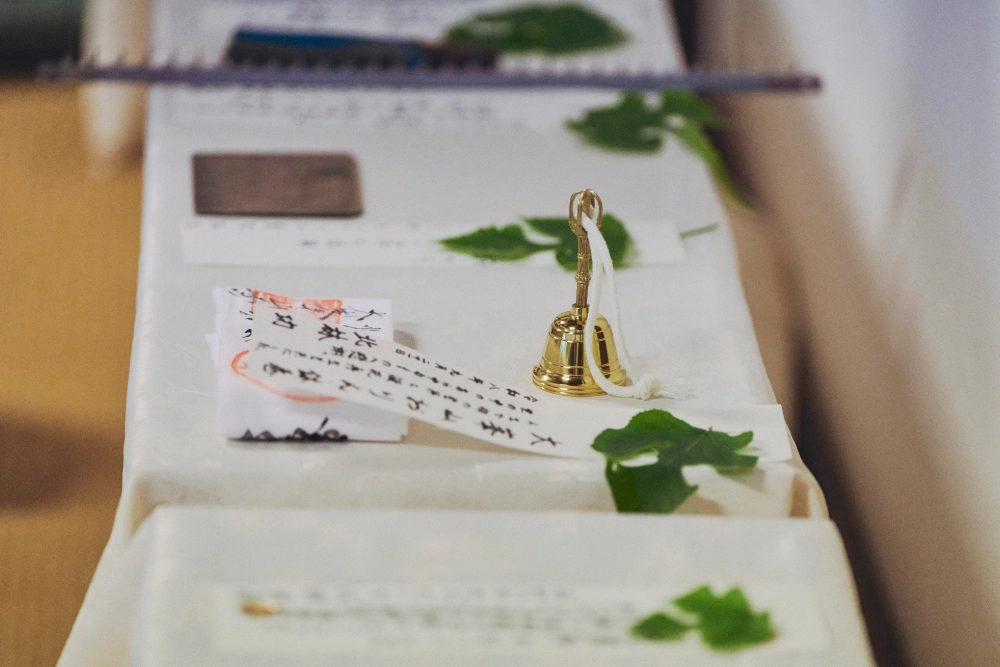
The ritual, called Monozukuri Shinji, is a Shinto one. It is held for people who make things and for the tools they make them with. As you may already have guessed, it is a practice of gratitude to the tools. It reflects a steadfast value we often find in traditional Japanese culture.
What is Monozukuri Shinji?
A simple translation for monozukuri is “making things”. In Japan it also carries a sense of skilful craftsmanship, and pride in the process of making. Shinji means a Shinto ritual. It is not limited to shokunin, who are skilled artisans or craftspeople, and is open to makers of anything.
For Monozukuri Shinji, makers from all walks of life bring a tool that they use every day, and offer it to the Shinto deities (also known as kami). Through the ritual, makers get an opportunity to reflect on their work, their approach to it, and examine the thoughts and gratitude they feel for it.
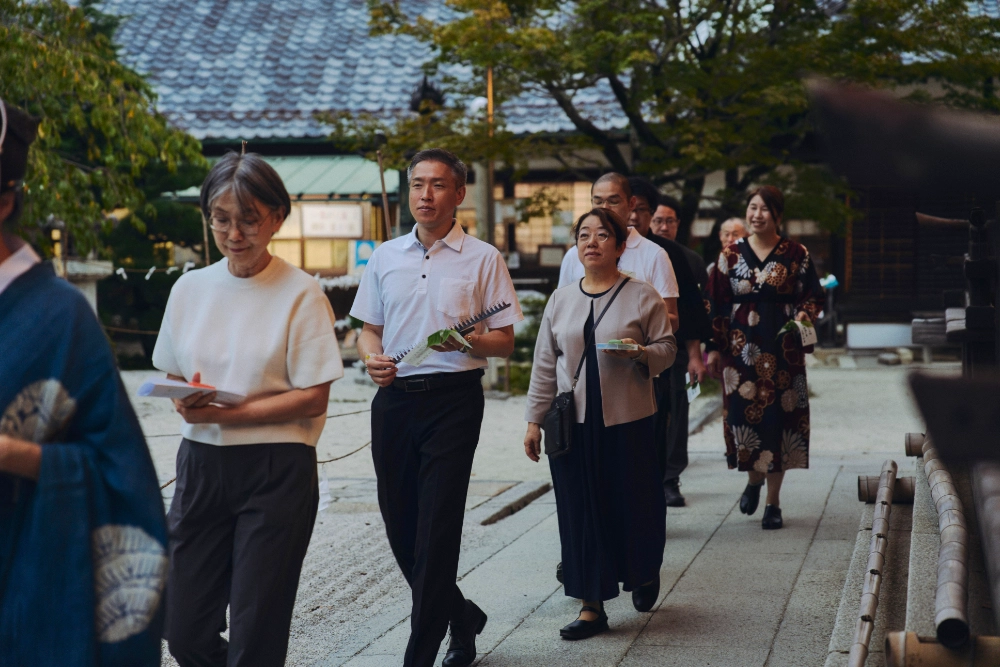
DESIGN KYOTO has been arranging these annual rituals since 2024, with the cooperation of Imamiya Shrine in Kyoto city’s Kita Ward. DESIGN KYOTO is a community of makers and users who share their stories across industries, generations and nationalities.
Rooted in the tradition of crafts
Imamiya Shrine has a history of roughly a thousand years and is tied to Nishijin, Kyoto’s weaving industries district. Its annual festival is known as the festival of Nishijin. In its grounds stands Orihime-sha, a sub-shrine dedicated to Takuhatachijihime-no-mikoto, said to have taught weaving to Orihime, the weaver princess of the Tanabata legend. Visitors come to pray for better craft skills and success in creative trades.
Thanking tools is not a new idea in Japan. The practice can come in many forms, for example with hari-kuyo, broken or worn-out needles are laid in soft tofu and thanked for their service. There is also folklore about tsukumogami, which tells how objects that age long enough can take on a spirit, and thus encourages care for them. Monozukuri Shinji gives these old habits a modern form.
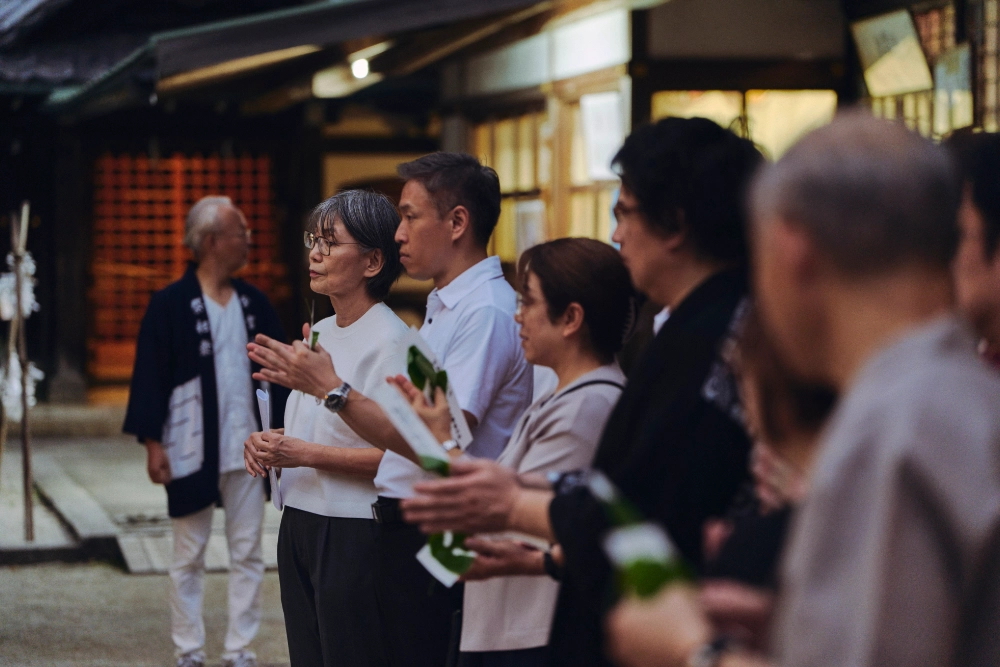
An evening at Imamiya Shrine
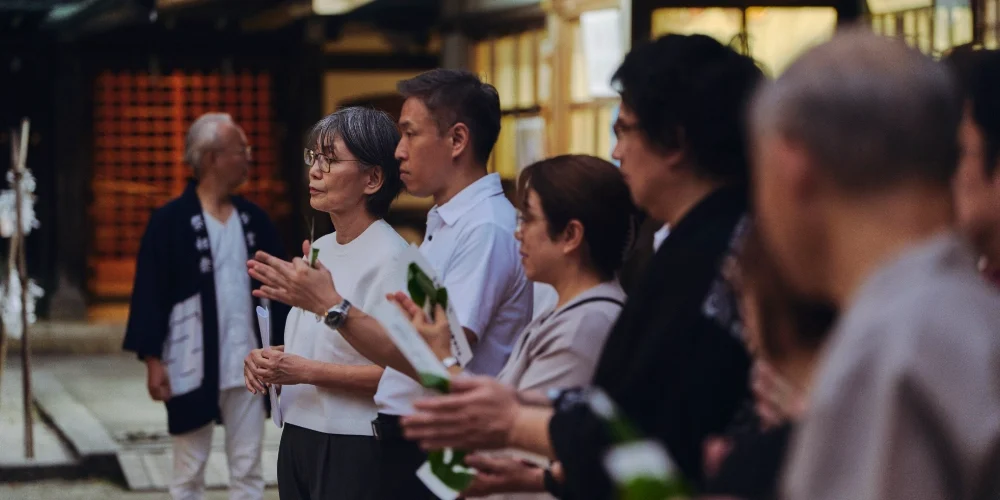
In this year’s ritual (held in September), each participant brought along one tool that mattered to their work. Before the offering, they wrote down an episode about it. Participants then presented tamagushi, which are sprigs of sacred sakaki, at the altar. After the ritual, the tools were handed back.

For example, the company Core Machinery Inc. brought the cutting tools that carry its daily business, drills and end mills, as well as the jigs and pliers its anodising work depends on. A first-time participant, who works in textiles, offered her iPad, her main tool since she stopped using brushes and paints. She commented that she found it interesting to combine something digital with a Shinto ritual.
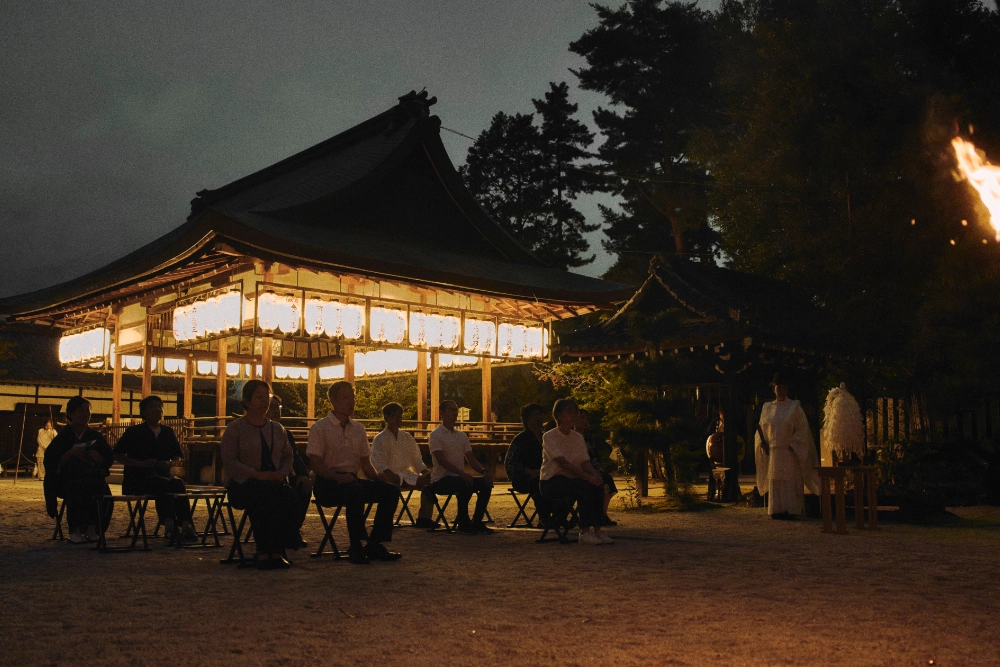
Gratitude as the foundation for a circular economy
Japan has long had a culture of caring for things. We see it in mindsets and concepts such as mottainai, tsukumogami and Kyoto’s shimatsu no kokoro (the spirit of frugality and careful use). And this is what Japan can teach us about sustainability and circularity.
The organiser of the Monozukuri Shinji reminds us that modern linear economies of mass production, mass consumption and the spread of plastics all arrived within the last century. Within a short time, most of us have lost sight of where things come from and how they are made. Care for objects has faded with that distance.
Recently, with the circular economy, we are moving away from simple recycling to rethink our systems and models for circulating resources. This Shinto ritual is revealing the deeper secrets of circularity, namely prayer and reverence. Reverence is what leads people to value and respect things, nature and relationships. And that valuing is what makes a circular society possible, especially when we rediscover the connections among nature, culture, society and economy.
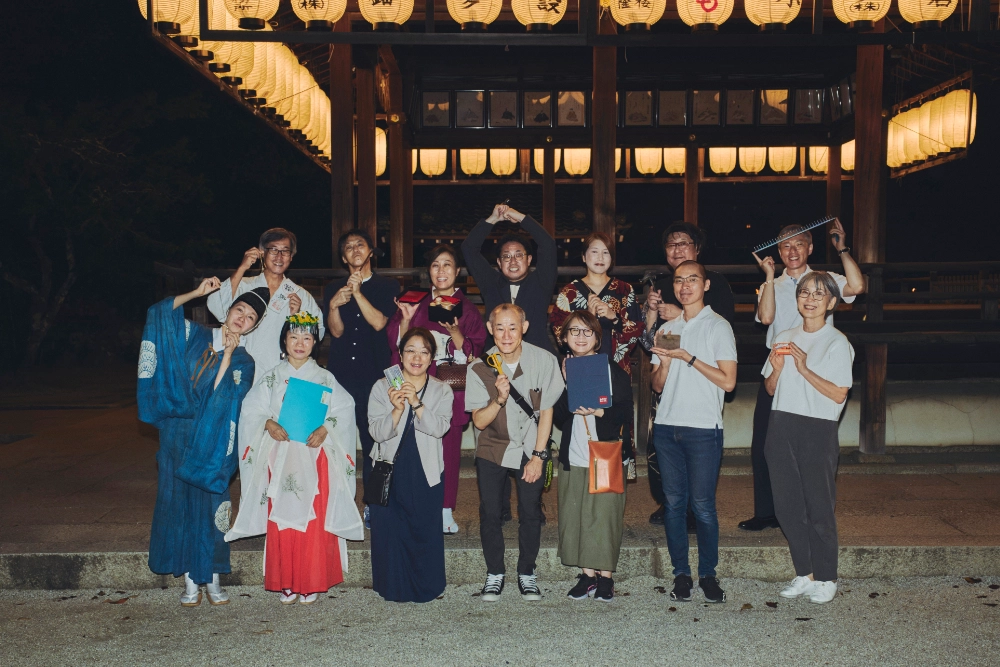
Special thanks to DESIGN KYOTO for sharing this event with us.
[Website] DESIGN KYOTO Homepage (Japanese)[Reference] Monozukuri Shinji 2026 Report (Japanese)