 Zenbird Editorial Team
School backpack manufacturer Kyowa Co., Ltd. is experiencing a surge in orders for its upcycling service: transforming used primary school backpacks, known as randoseru, into miniature keepsakes and practical everyday accessories.
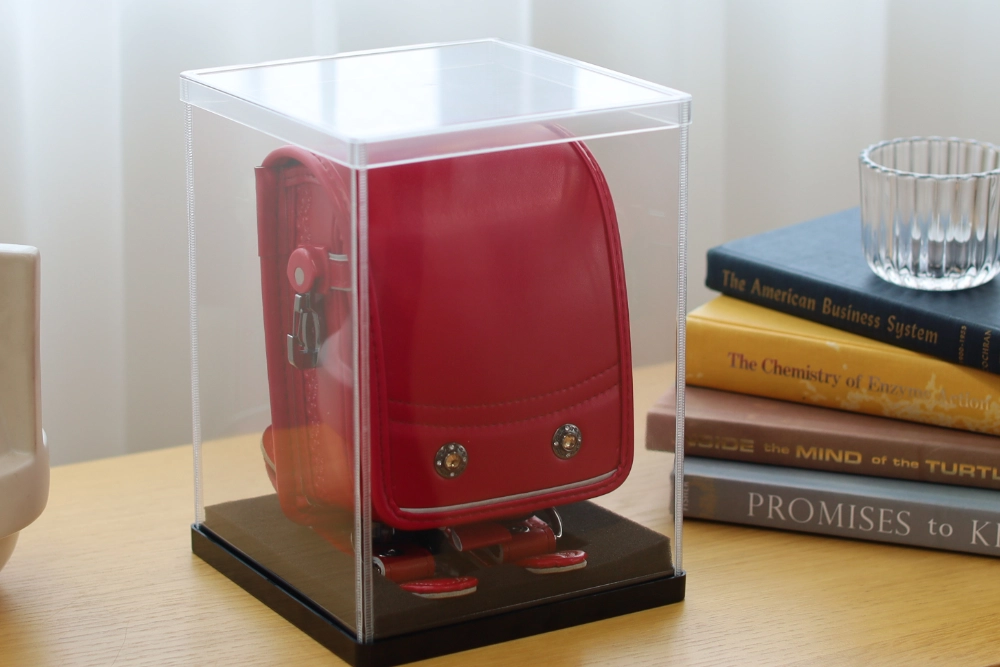
As the summer holidays begin in Japan, approximately 20 percent of total requests come from families as they use the time at home to organise childhood belongings. The upcycling process takes place at Kyowa’s dedicated factory in Chiba Prefecture. Skilled artisans manually dismantle and repurpose the bags, regardless of the original manufacturer.
Customers can choose from 13 individual design options or five comprehensive sets. The most popular choice is the Memorial Rand, a precise one-quarter scale miniature of the original backpack, making up nearly 30 percent of orders. Customers who chose this miniature replica expressed their desire to keep the item as a lifelong treasure in its original form. Pass cases rank second due to their practicality for secondary school commutes, followed by pochettes.
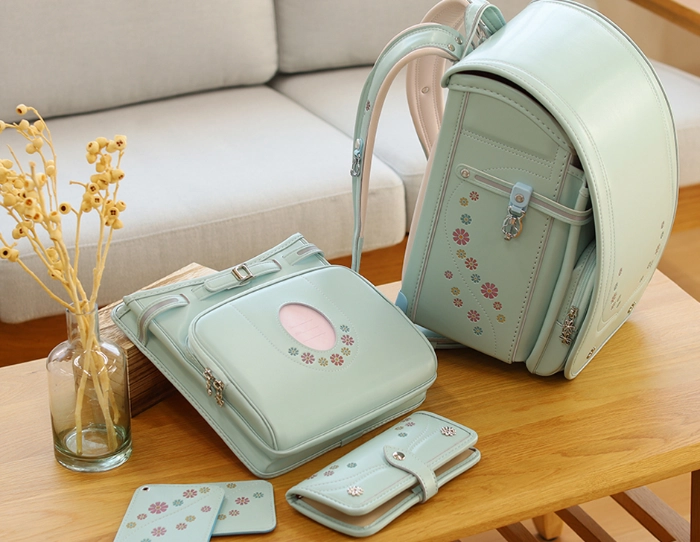
A recent customer survey conducted by Kyowa revealed that 94 percent of clients order the remade items for personal use. Within this group, 58 percent prefer items they can use daily, highlighting a strong attachment to their bags. One customer noted, “Because I used my randoseru every day, I want to remake it and continue using it.” Additionally, 6 percent of customers gift the remade items to parents or grandparents as a gesture of gratitude. To cater to this demand, Kyowa offers sets that create three distinct items from a single backpack, such as a long wallet, two pass cases, and a wall pocket.
The upcycling initiative is a practical application of the circular economy within the Japanese context, fostering the traditional sentiment of valuing objects.
[Reference] Fuwarii Feature Page (Japanese)