 Zenbird Editorial Team
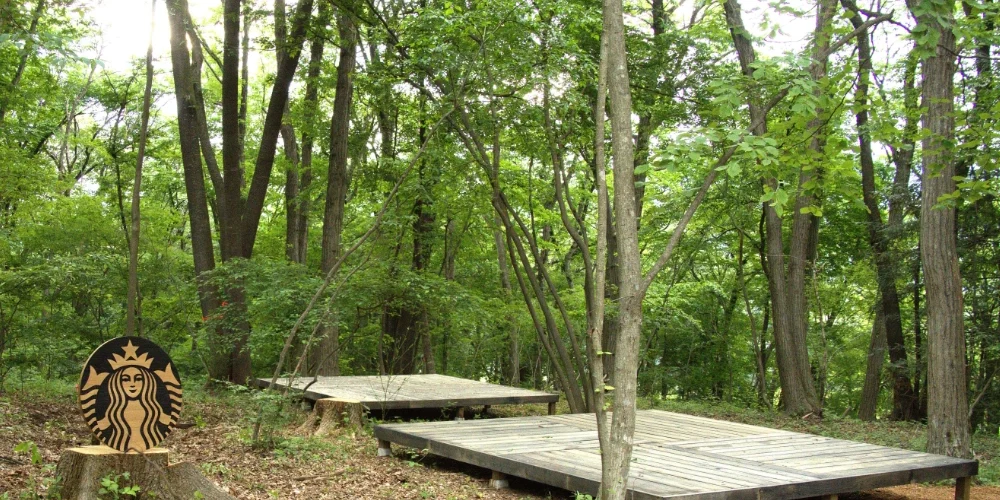
Starbucks Coffee Japan launched the Forest Starbucks Project in Minakami Town, Gunma Prefecture, last week, which expands upon a partnership agreement established in April 2025 to nurture rich forests and people at the headwaters of the Tone River. The project will focus on circulating resources, environmental education, and community collaboration that address climate change and waste reduction.
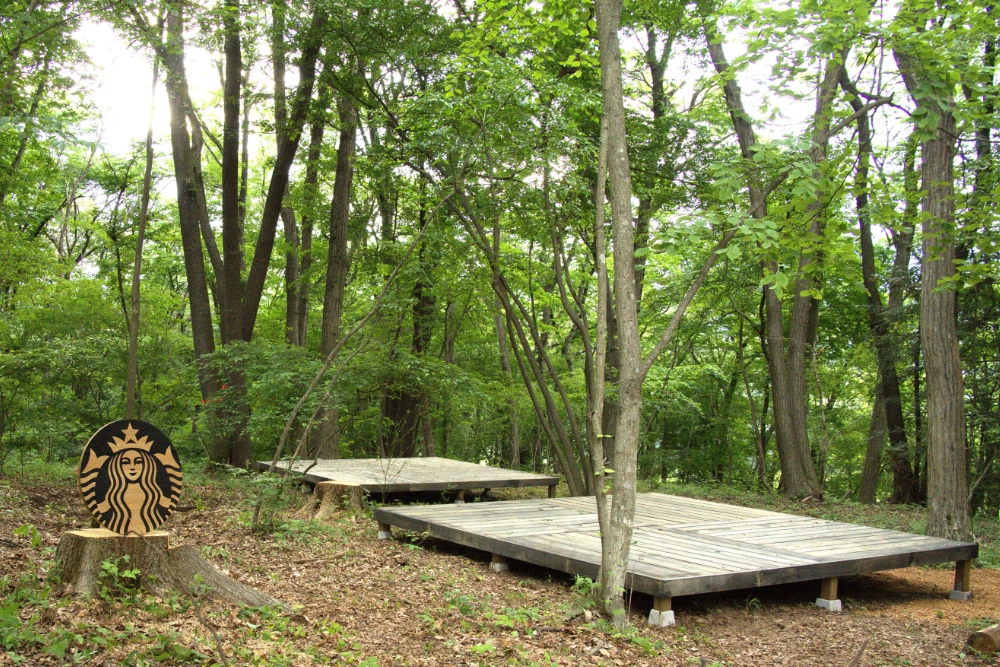
Upcycling is the primary focus of the project, upcycling thinned wood that comes from discarded logs that are too small for conventional beams or pillars. Starbucks Coffee Japan is testing these unused materials for store construction. The project has already reduced the timber waste rate from the usual 60–70% to approximately 30–40% per log.
The project will also be a platform for environmental education for Starbucks employees. Employees will engage in forest maintenance and learn about the 2050 Coffee Problem, refering to the prediction that land suitable for Arabica coffee cultivation could decrease by half by 2050 due to global warming. These experiences will help employees provide deeper insights to customers at their respective stores.
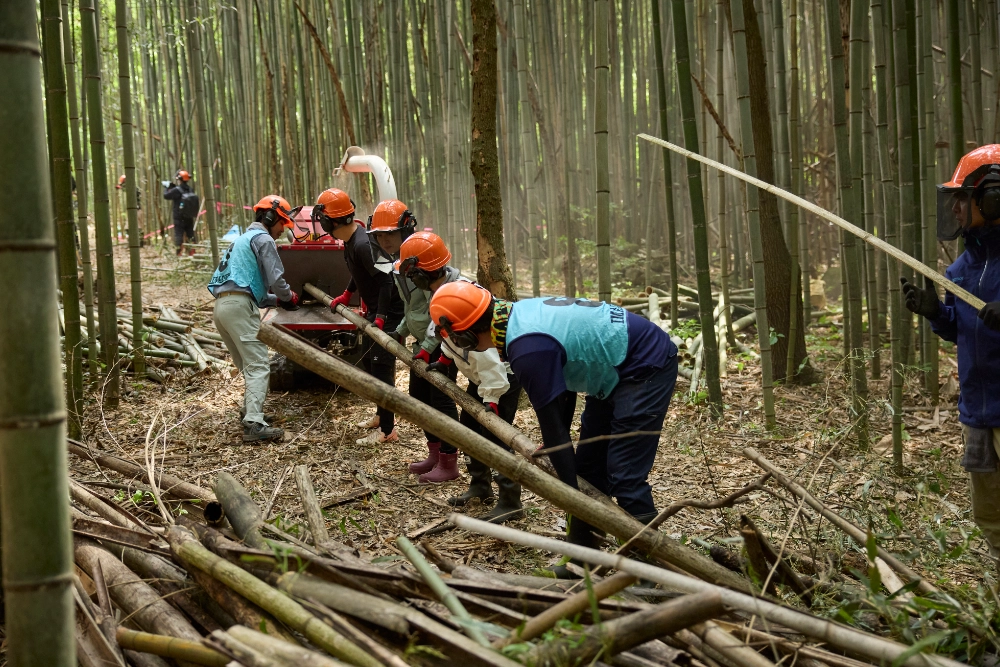
The Forest Starbucks Project also has circular resource initiatives, including a composting experiment and a sapling nursery system. The company is testing “Bio-nest” composting collaboration with students from Gunma Prefectural Tone Jitsugyo High School. This method mixes coffee grounds from Gunma stores with local soil, fallen leaves, and bamboo chips. Once the effectiveness of the compost is confirmed by third-party testing, it will be used for landscaping at drive-thru locations across the prefecture.
Furthermore, the company introduced the Yamadori Seedling Nursery System to protect forest biodiversity. Young trees, such as wild cherry and konara oak, are moved from the forest to 17 drive-thru store premises to protect them from animal browsing damage. After approximately three years of cultivation, these trees are returned to the Minakami forest for replanting. This system is supported by the Nature Conservation Society of Japan, and aims to make forest conservation more visible to customers who may not have visited the forest themselves.
[Reference] Starbucks Press Release (Japanese)