 Roger Ong
Here is one of the age-old questions we’ve all asked ourselves, one without definite answers: how should we approach death?
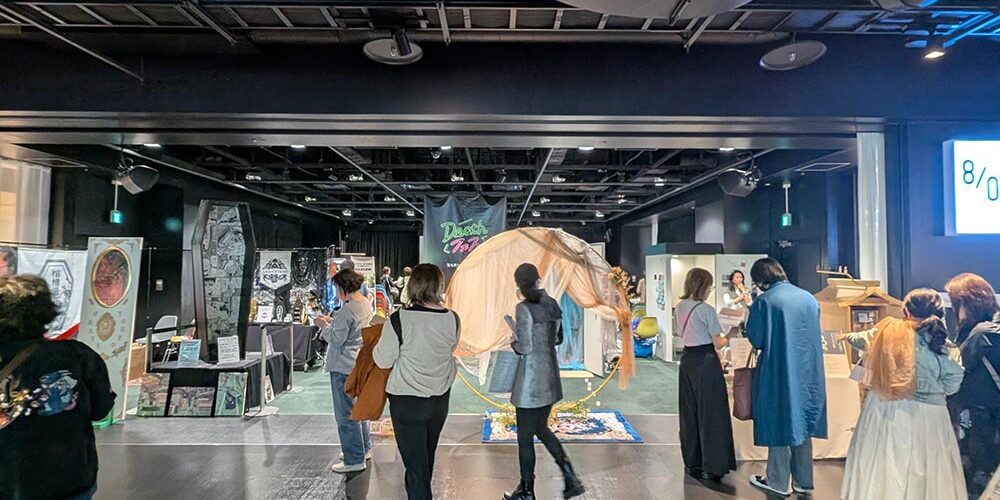
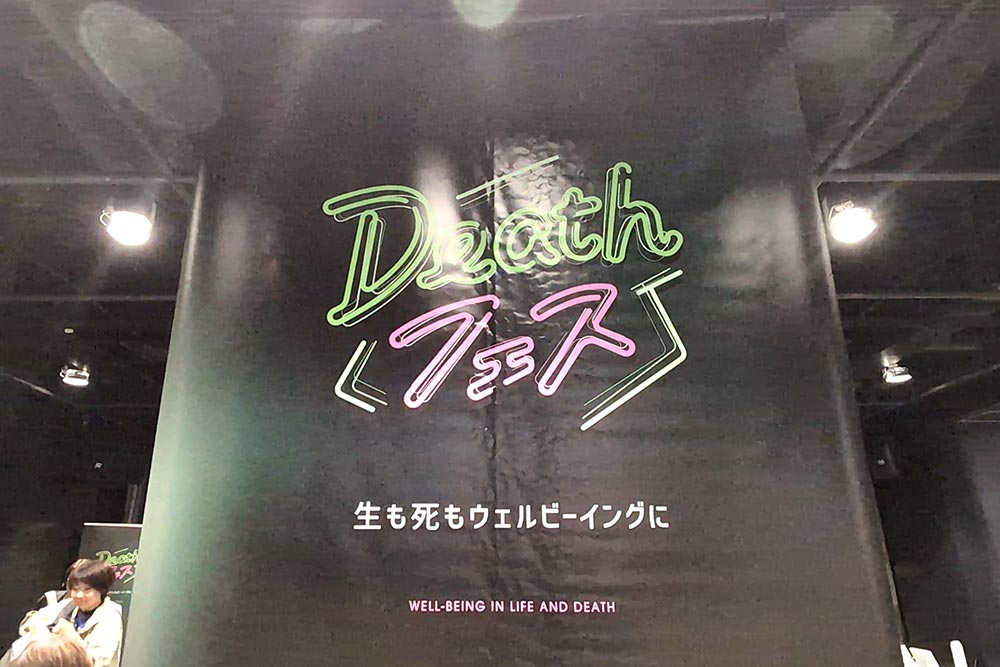
Death Fes 2026 took place in Shibuya from 11 to 16 April, an event that suggested that talking about our eventuality need not be taboo or gloomy. The six-day event reframed death as a natural part of life and well-being, and offered a series of experiential programmes, talks and service awareness promotion to encourage discussion around the topic. It may come as a surprise, but roughly a quarter of attendees were in their teens or twenties.
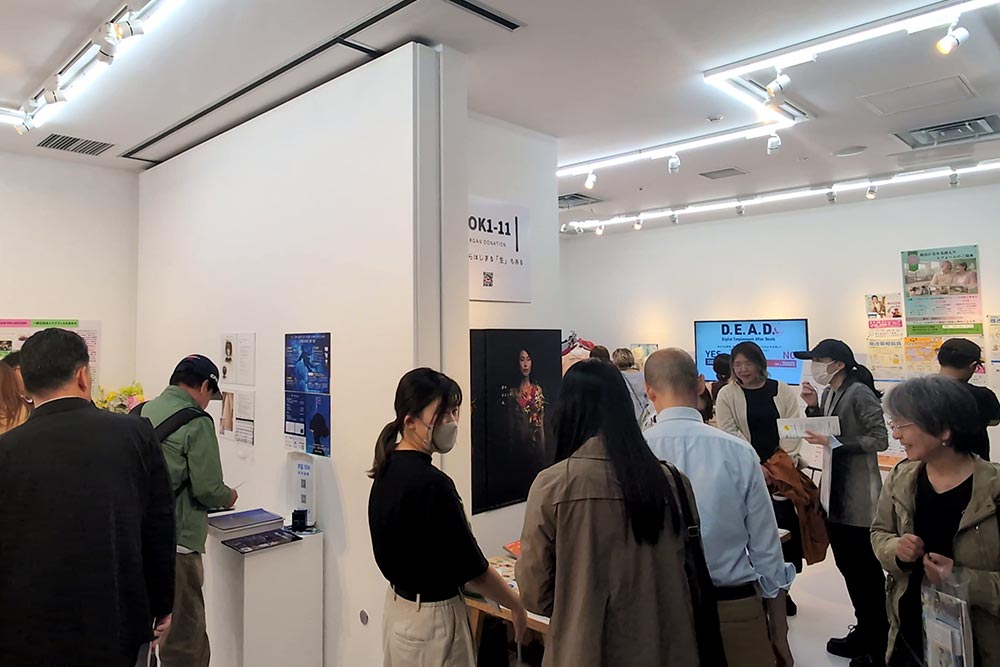
Though the exhibition was modest in scale, its contents were dense in terms of themes and meaning. Not forgetting also how the theme offers a thought-provoking experience. The exhibition includes services for leaving a gift for loved ones (for example, a face cast service) or for others (like organ donation). There is also a collaboration with horror manga artist Junji Ito, allowing participants to experience a “pre-death funeral” inside a coffin. Other activities attempt to demystify the unknown, like AI-generated funeral portrait . A surprise exhibit for me was the survey for Digital Employment After Death (get it? D.E.A.D.), which surveyed people’s willingness to be “resurrected” through AI and CGI.
Multiple talks and events were held across the six days, too, each day with a different theme. Buddhist monks from around Japan were also invited as guest speakers to share their wisdom. One talk featured younger monks candidly discussing whether modern funerals need updating, if they personally fear death, and where they found meaning in life. The four speakers offered diverse perspectives, allowing thoughtful reflection among participants. Other events included meditation workshops, and even drinking bar sessions in the evening to talk about death.
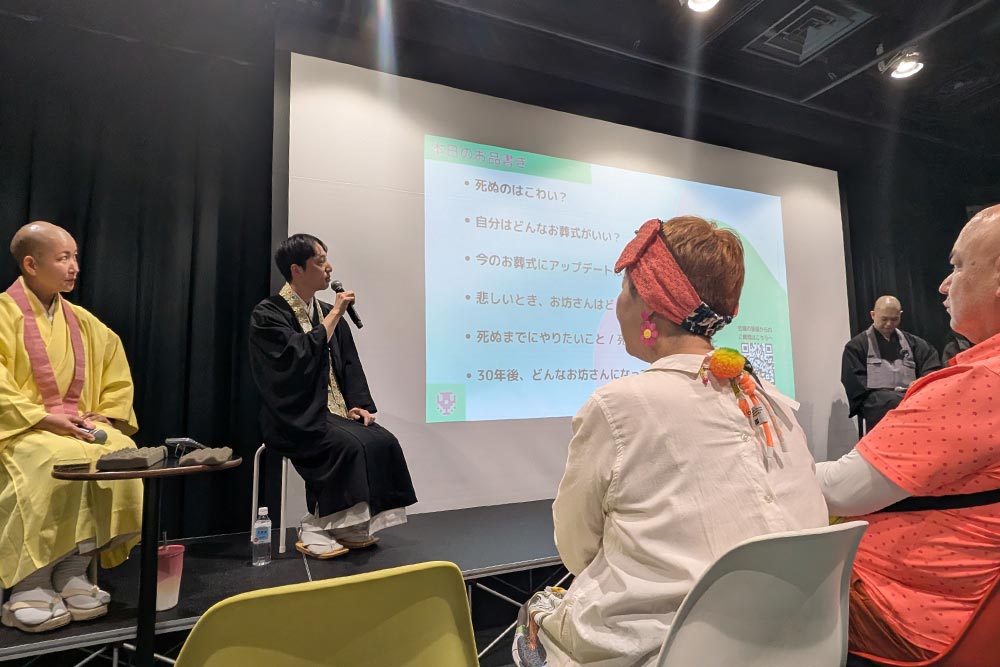
Yes, Death Fes is about death, but instead of gloom, the atmosphere was one of inspiration for conversation, and motivation to face the unknown. This discussion is important particularly for Japan, as the country’s demographic faces a dire ageing issue. Japan faces a super-ageing society where the annual death toll is projected to peak at 1.7 million by 2040. How we approach it from a mental wellbeing perspective matters, and Death Fes offers insights into shukatsu (loosely translated as “end-of-life planning”), a topic increasingly on the minds of many Japanese.
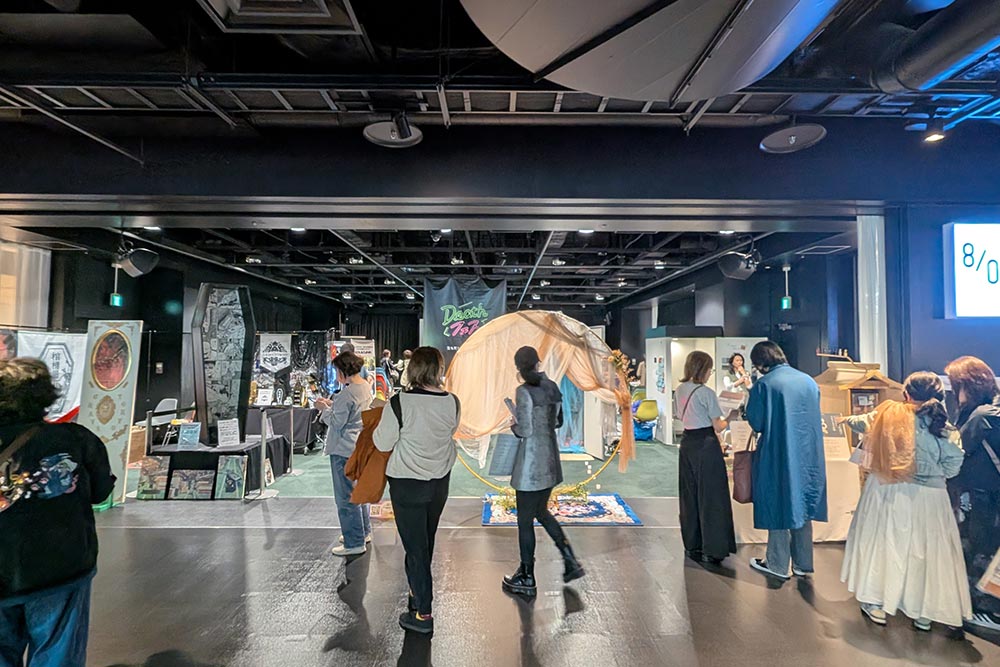
The recurring theme I see throughout the exhibition is “continuity”, where death is only a step that we will eventually take, and one that leads to the next. I’m not referring to the illusion of immortality, but we do have to remember that life goes on for others. This continuity is our final exercise of empathy. It’s less about what we leave behind to mark our existence, but what we can do for ourselves and others before we go. There were many takeaways for me to process, and I look forward to making more time for the next Death Fes.
[Website] Death Fes Homepage (Japanese)