 Zenbird Editorial Team
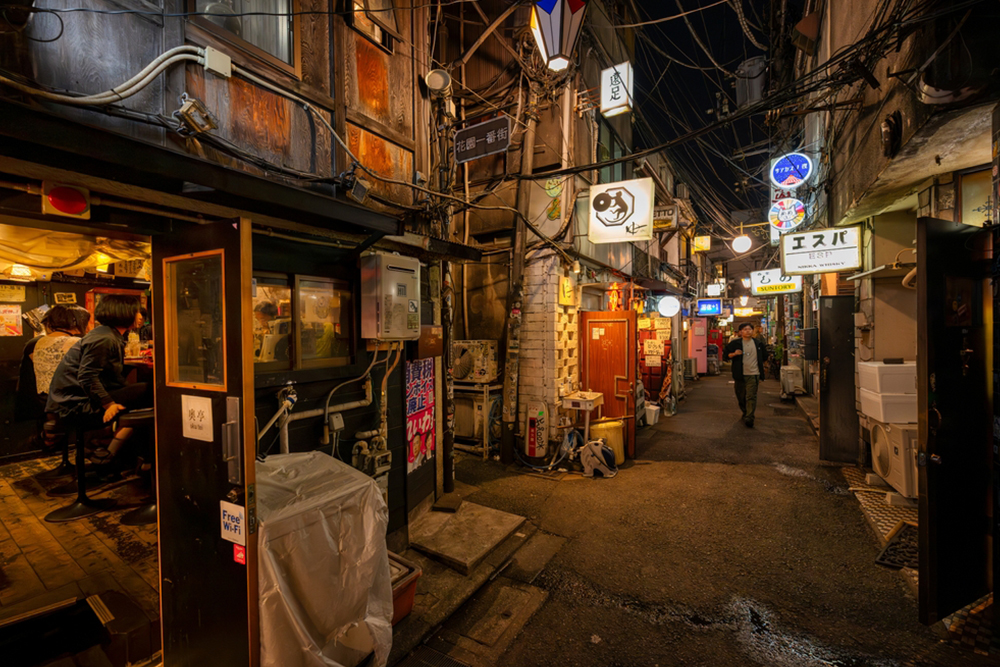
First impressions of Japan’s snack bars, also known as “sunakku,” are F&B establishments for the adult working population, with alcohol and food offered to office workers after a long day’s work. But these places are a class of their own, different from izakayas (drinking places) or bars, from atmosphere to purpose.
In fact, we should call Japan’s snacks bars a unique subculture. They are intimate social spaces where regulars form close bonds with the mama-san (proprietress) and each other. The atmosphere is built on trust, familiarity, and a sense of belonging. Each snack bar has its own customs and etiquette, making them distinct, holding a special position for the community that gathers around it.
Snack bars are typically small, cozy establishments with a warm, inviting atmosphere. They often feature a bar counter where patrons can sit and chat with the mama-san and other regulars. The menu usually includes a variety of snacks, with classics including edamame, fried chicken, and yakitori, along with a selection of alcoholic and non-alcoholic beverages.
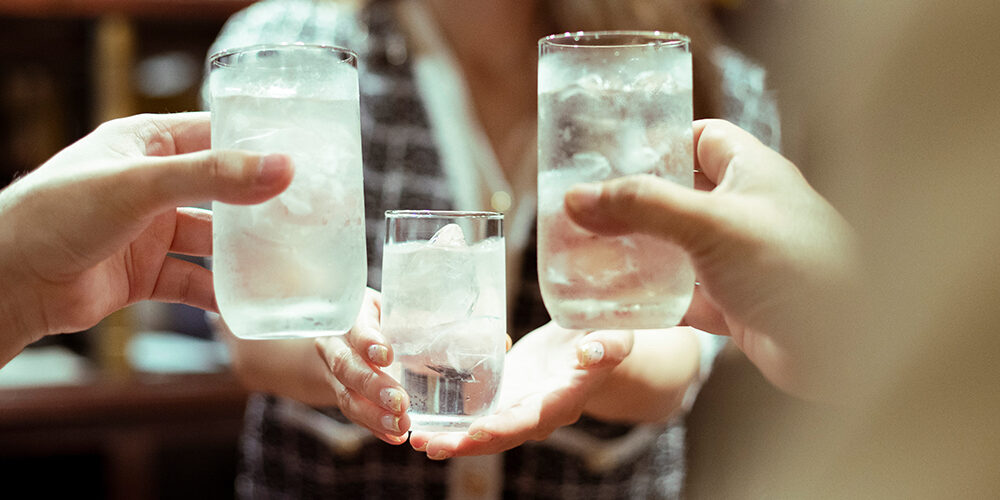
The social interaction is a key aspect of the snack bar experience. Patrons often engage in lively conversations, share stories, and enjoy each other’s company. The mama-san plays a central role in fostering this sense of community, often remembering the preferences and personal stories of regular customers.
History of Snack Bars
Snack bars originally emerged in the post-World War II era, particularly during the 1960s. The target audience for Japan’s snack bars was salarymen and working professionals. The post-war economic boom and the rigid corporate culture created a need for spaces where these individuals could decompress.
Snack bars provided a semi-private, almost members-only environment that fostered trust and familiarity. At the centre, the mama-sans helped shape this atmosphere, often building towards long-term friendships with regulars.
Today, snack bars face a decline due to competitive alternatives and changing preferences. However, they continue to offer their unique blends of hospitality and community. The lively hum of conversation spilling from a snack bar is a soundscape of a thriving community.

Snack Bars as a Third Place that cultivate values
A “Third Place”, coined by sociologist Ray Oldenburg, is a social environment separate from the two usual environments of home and workplace. Snack bars fit this concept perfectly, as they provide a space where people can relax, socialise, and build relationships outside of their homes and workplaces.
Third Places come in various forms. It may come as a surprise to some, but snack bars also cultivate values that form the foundation of a sustainable lifestyle. Firstly, snack bars serve as a place where people can run into each other and form connections. It encourages a natural bonding of people from different walks of life, and even connecting them to the wider world outside of their own communities.
Secondly, snack bars embody the spirit of open-door relationships. It’s not just about the omotenashi spirit to visitors, but also about being a supportive space where regulars interact freely and support each other. These build social ties are both sources of joy and lighten daily pressures.
Last but not least, snack bars bring songs into everyday life. Snack bars’ popularity coincided with the popularity of karaoke, which was a main appeal in these establishments. Singing has also always been a natural part of life, from the days of communal farming to seasonal festivals. This tradition of singing together fosters a shared experience, thus sense of community.
Continue treasuring snacks bars for the future
Even after all this talk of sustainable foundations of community and examples of Japanese hosiptality, snacks bars are foundationally spaces where people can escape societal pressures, find belonging with people of similar interests, and simply be themselves. This is probably why snack bars remain persistent as a subculture, and will continue to be a cultural support for sustainable lifestyles.