 Zenbird Editorial Team
Lumine Co., Ltd. has launched its third edition of “Lumine NEWoMan ethicarnival” (started on 2 January), moving away from traditional mass-discount winter sales toward a model based on circularity. The campaign will last a month until 4 February, and integrates cosmetic upcycling, fashion reuse, and food loss reduction across its shopping centres to encourage ethical consumption.
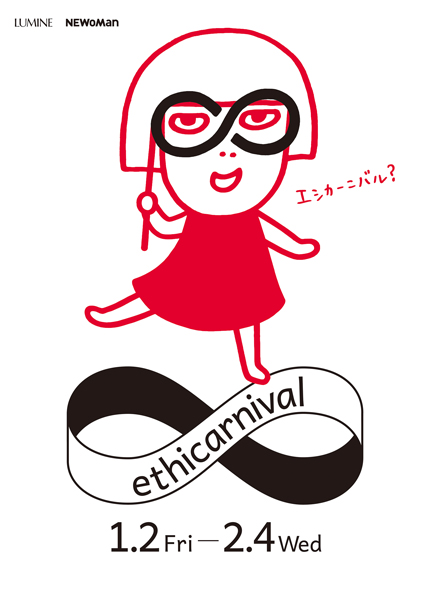
Disposal of surplus inventory and the environmental impact of mass production are some of the systemic issues in the retail sector. Lumine shifts its focus toward “proper sales,” where staff provide detailed customer service to ensure shoppers make informed, long-term purchases. This is the aim of “ethicarnival,” where customers engage with the circular economy through the experiences it offer.
A central feature of the event is the cosmetic upcycling programme, which will expand to 13 locations. In a previous run, the company collected approximately 445kg of unwanted cosmetics, estimating a prevention 298.1kg of CO2 emissions, or an 84.78% reduction compared to incineration. These materials are processed using SminkArt technology by MANGATA Co., Ltd. to create pigments for paints and inks. This year, the company introduces the “Lumi-ne Gacha,” featuring capsule toys made from these upcycled materials. Proceeds from the toys will be donated to Plan International Japan to support women’s rights and education.
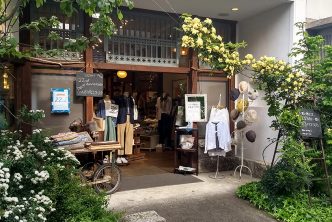
The campaign also targets fashion waste. Lumine Ikebukuro will host a pop-up featuring archive items from the Jun Group, including Adam et Ropé, while NEWoMan Shinjuku will present “LOOPLAY,” a market for vintage eyewear and second-hand books. Furthermore, the “anewloop” service will offer increased incentives for customers who return used clothing for recycling or reuse, providing 5,000 miles on the ONE LUMINE app compared to the standard 3,000.
Food loss reduction is also a part of the campaign. Lumine Kitasenju will host a market selling non-standard produce, such as pound cakes and bread that do not meet typical aesthetic requirements but remain perfectly edible. In Tachikawa, workshops will teach participants how to make nukazuke (rice bran pickles) using local vegetables, promoting seasonal consumption and traditional fermentation techniques.
The newly opened NEWoMan Takanawa will serve as a hub for educational engagement. The “Fashion for Tomorrow Studio” will feature installations and talk events involving Sanyo Shokai Ltd. and Mizuno Corporation. These sessions aim to provide consumers with criteria for choosing sustainable clothing, focusing on employment ethics and product longevity.
[Website] ethicarnival Homepage