 Zenbird Editorial Team
ー This is a sponsored article ー
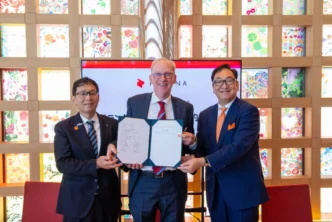
Tired of the relentless glow of city neon? Forget the crowded tourist routes and prepare for an adventure into Okayama Prefecture, a beautiful region in western Japan, home to the serene mountainside and the captivating islands.This year, Japan’s Ministry of the Environment selected three areas in Okayama: Hokubo, Kasaoka, and Hinase, for its “Tourism Area Development Utilising Good Environment” project. This initiative, also known as OSSU (Okayama-Sustainable-Satoyama/Satoumi-University), promotes the preservation of local nature and culture through regenerative tourism.
OSSU aims to use the “good environment” that the communities have long cherished to create a regenerative tourism model, channelling capital gained back into further maintenance and management. This creates a virtuous cycle of preservation and utilisation, thus boosting regional appeal and supporting local revitalisation.
We had the opportunity to experience a two-day tour of the Hokubo and Kasaoka regions, revealing a profound connection between the mountains, the rivers, and the sea.
Day one: Hokubo’s fireflies and mountains
After we got off the Shinkansen, a one-hour drive from Okayama Station took us to Hokubo, an area in the southern part of Maniwa City, known for its abundant Hotaru (fireflies). This area was designated one of the “100 Villages of Hometown Creatures” by the Ministry of the Environment.
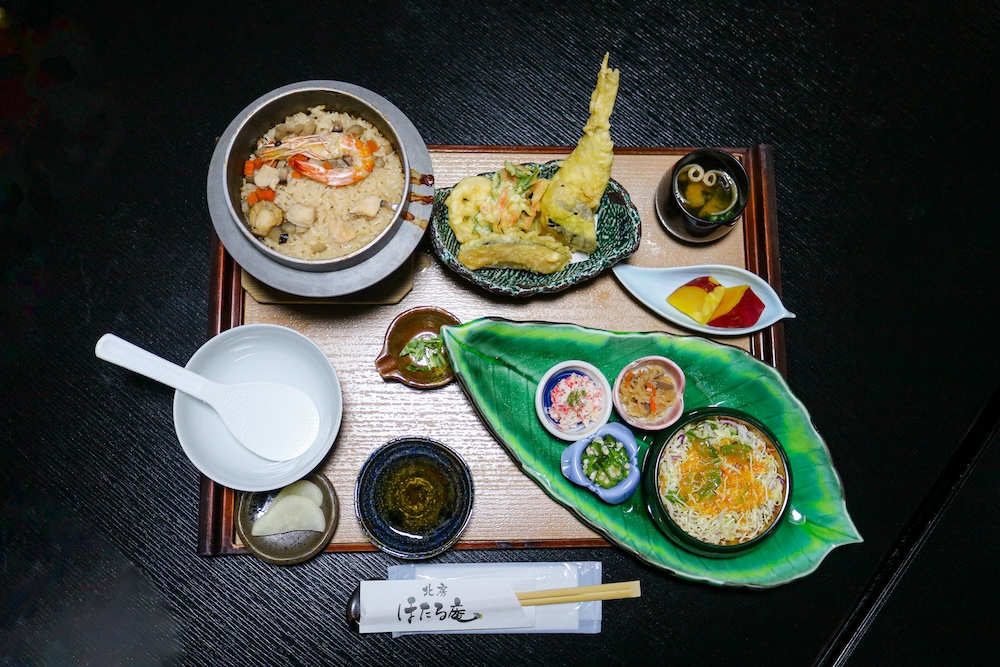
Our orientation to the region was followed by the “Hotaru Gozen” lunch at the Hokubo Hotaru-an, a delicious meal featuring rice grown by the Hokubo Tourism Association chairman, cultivated in fields enriched with oyster shell powder from the Seto Inland Sea, and other local ingredients.
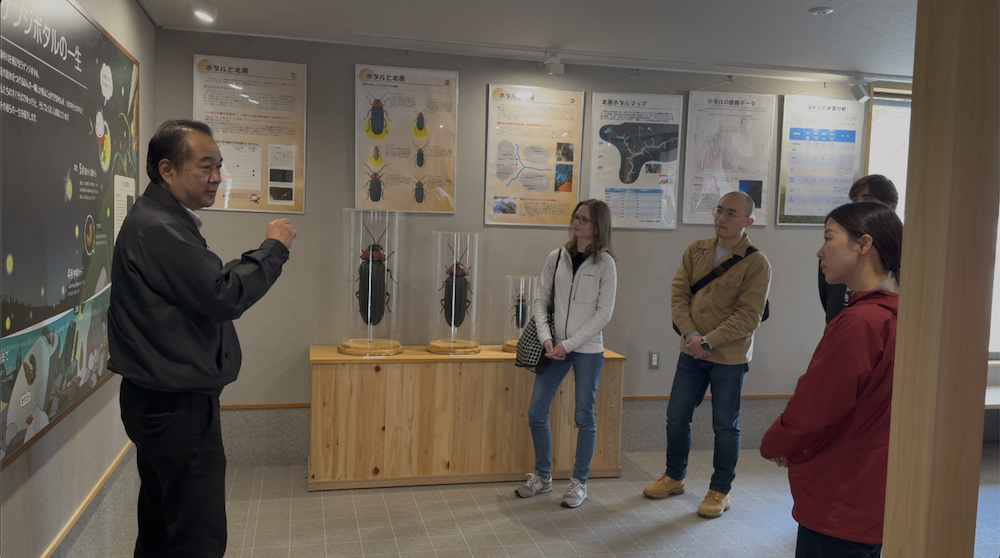
Along the Bitchu River, particularly around the Hotaru Park, visitors can see three species of fireflies, Genji, Heike, and Hime, flying between late May and mid-June each year. The nightly dance of the fireflies extending for several kilometres along the river is one of the must-see attractions in this area. The park also includes exhibits detailing the firefly lifecycle.
The fireflies thrive in Hokubo due to the community’s relentless efforts. Local residents constantly maintain the river basin and clear debris. Furthermore, elementary school students annually release Kawanina (freshwater snails), which are the fireflies’ primary food source, into the river. The commitment to firefly protection is woven into the local education system, with original songs and even a musical. During the firefly season in June, volunteers cover the riverbank with black cloth to block car headlights, which can weaken the fireflies’ breeding capacity.
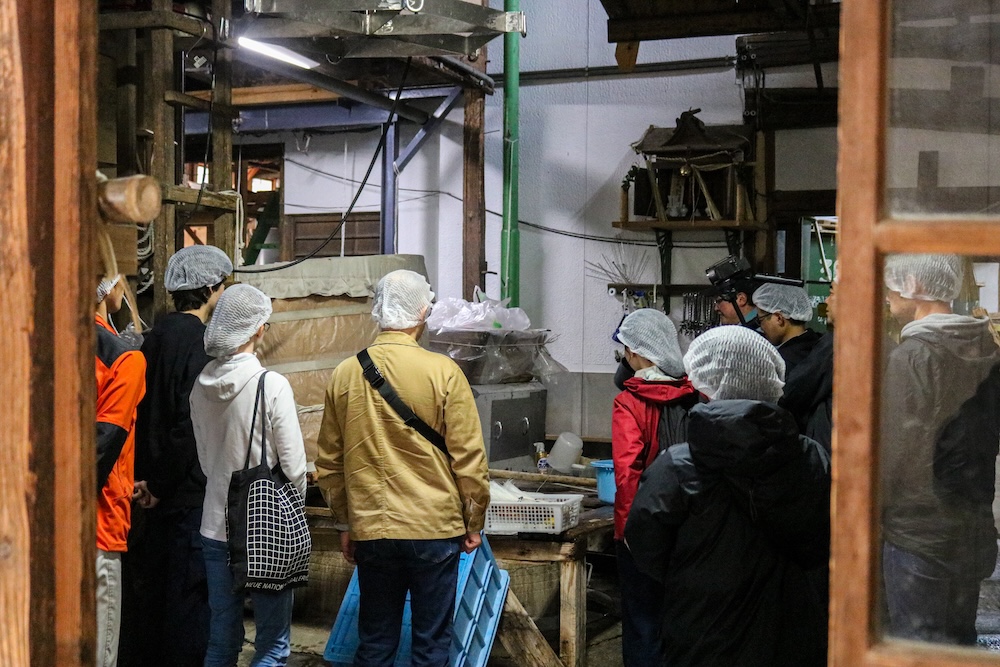
In this area, the mountains store water, and calcium-rich water flows from the local limestone caves, eventually connecting to the sea. This is directly linked to the quality of marine products harvested in Okayama, meaning that protecting the firefly habitat also helps preserve the region’s seafood, and the quality of local Sake.
-1.png)
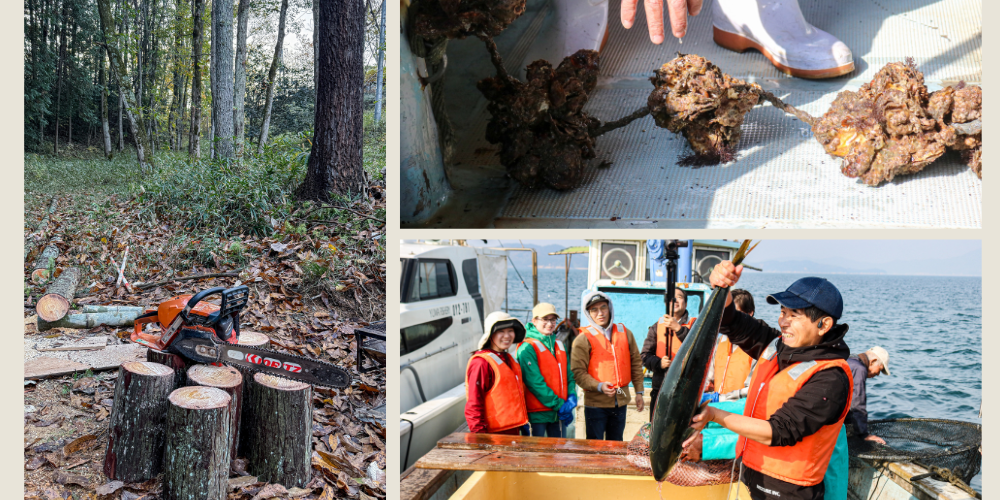
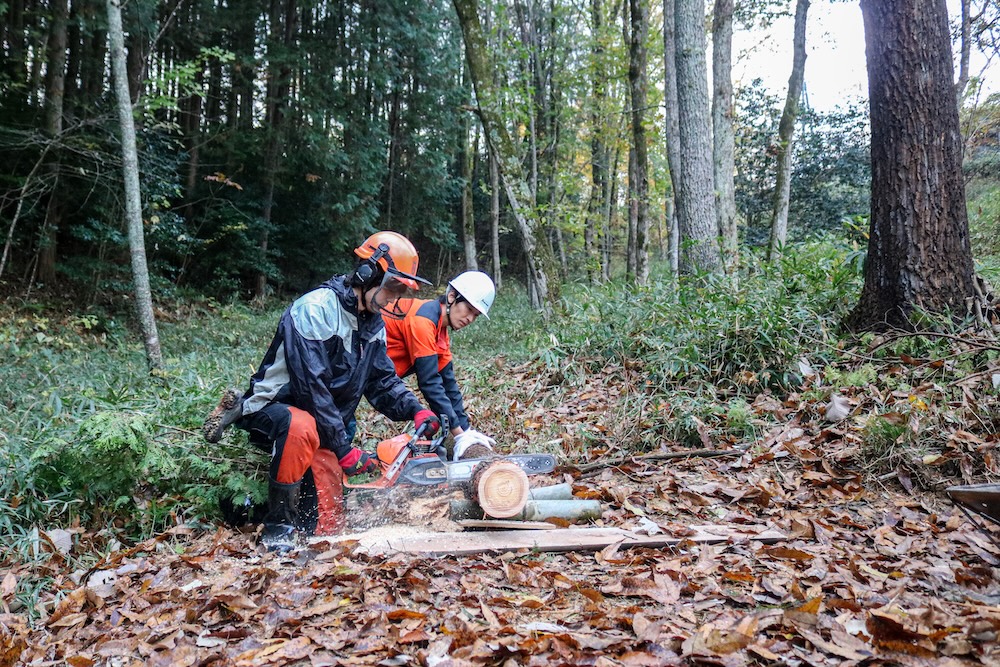
Next, we participated in a woodcutting session, learning to use a chainsaw. We also foraged for spicebush to make tea, which we drank from bamboo cups we had just cut for ourselves.
The use of harvested timber is critical for the community. Maniwa City, where Hokubo is located, is home to a biomass power plant that began operating in 2015. It is fuelled by wood chips made from thinned wood from local forests and residual materials from sawmills. The plant has an output of 10,000 kilowatts. Its operation boosted Maniwa City’s energy self-sufficiency rate from 11.6% in the fiscal year 2014 to 32.4%, a figure nearly three times the national rate of 11.8%.
Forest maintenance is essential, particularly in a country like Japan, which is prone to natural disasters such as typhoons. A healthy forest develops soil that can rapidly absorb rainwater, preventing erosion. Conversely, poorly maintained forests with exposed soil are vulnerable to landslides during heavy rains. Downed trees from a typhoon can also increase the risk of chainsaw kickback, making post-disaster clean-up extremely hazardous, as the saw can suddenly jerk out of control when cutting fallen logs.
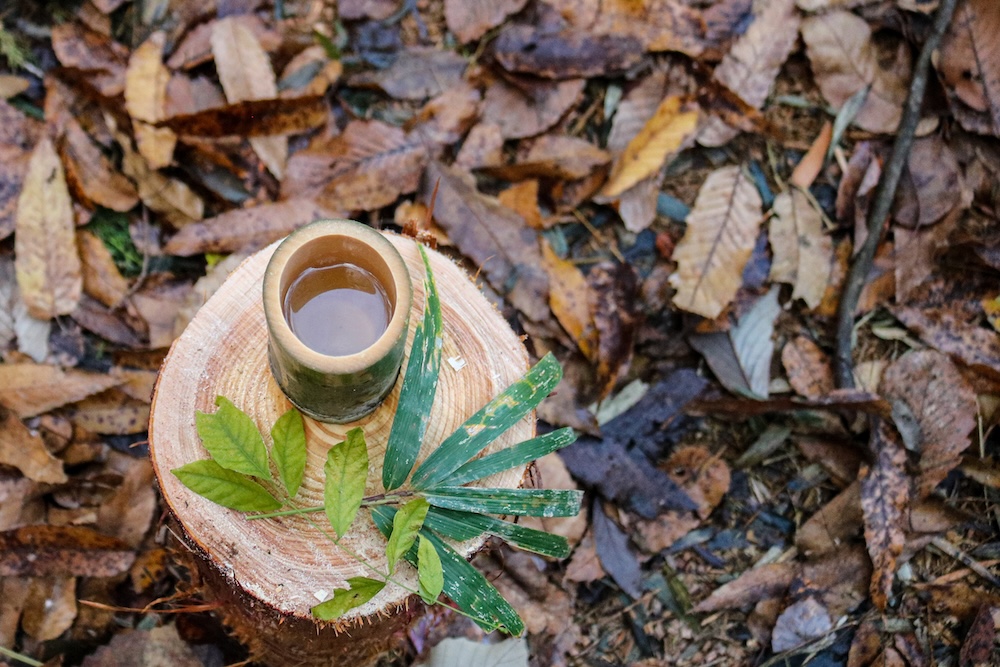
Therefore, tree thinning is vital. This allows sunlight to reach the undergrowth, significantly improving the soil’s water retention and conservation capabilities, and must be implemented alongside the necessary control of forest-destroying wildlife.
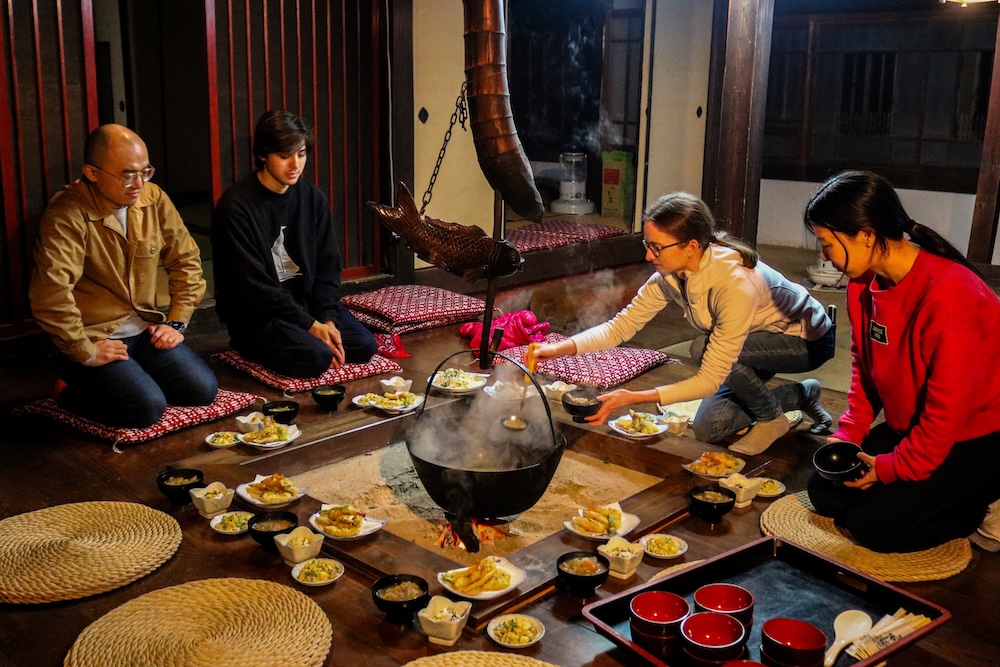
The day concluded with a warm, comforting wild boar hot pot in the Naka-tsui Jin-ya. It was a special experience to say “Itadakimasu” and share the meal, reflecting on and appreciating the lives that sustained us.
While we were eating, it was heartwarming to see the local grandmothers bring us one treat after another, from fresh fruit to homemade cake. We were truly moved by their boundless hospitality.
Day two: Kasaoka’s eelgrass and sea
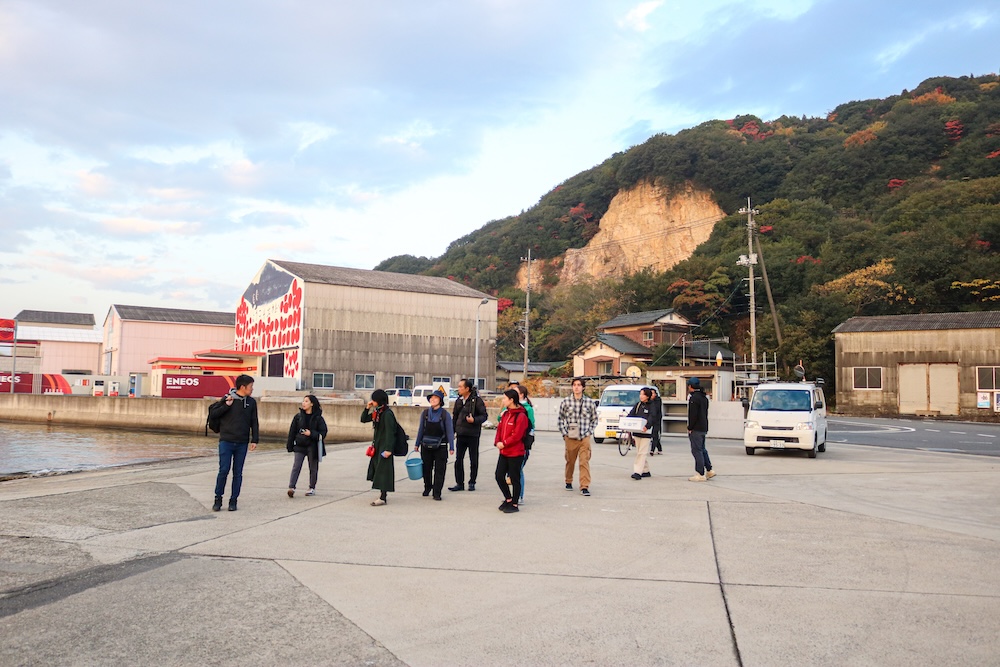
Day two took us to Kasaoka, a region renowned for its horseshoe crab habitat, where conservation efforts for this species have historically been a symbol of marine preservation.
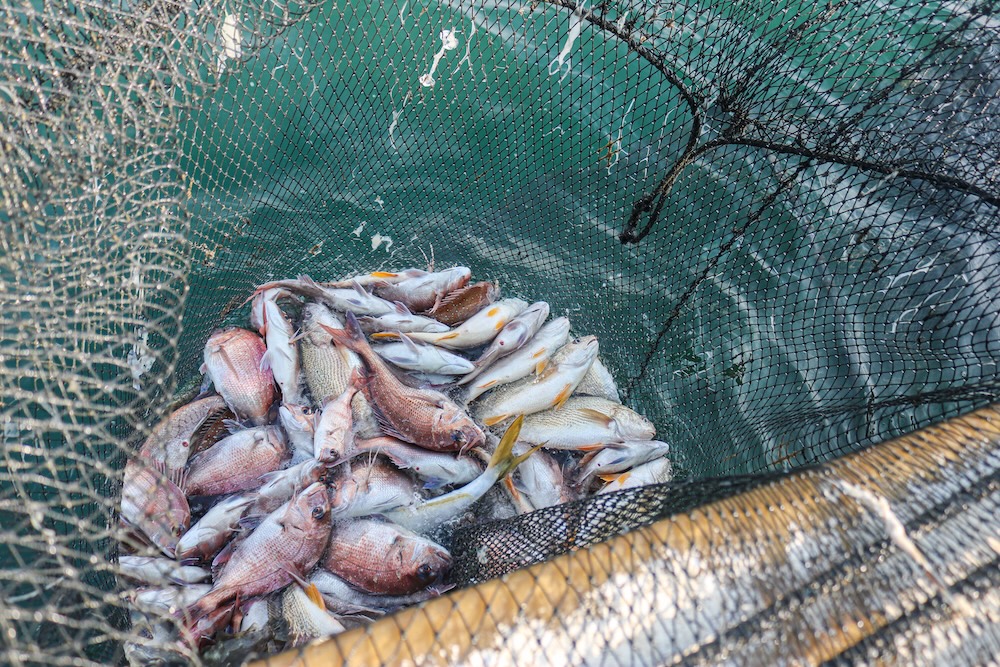
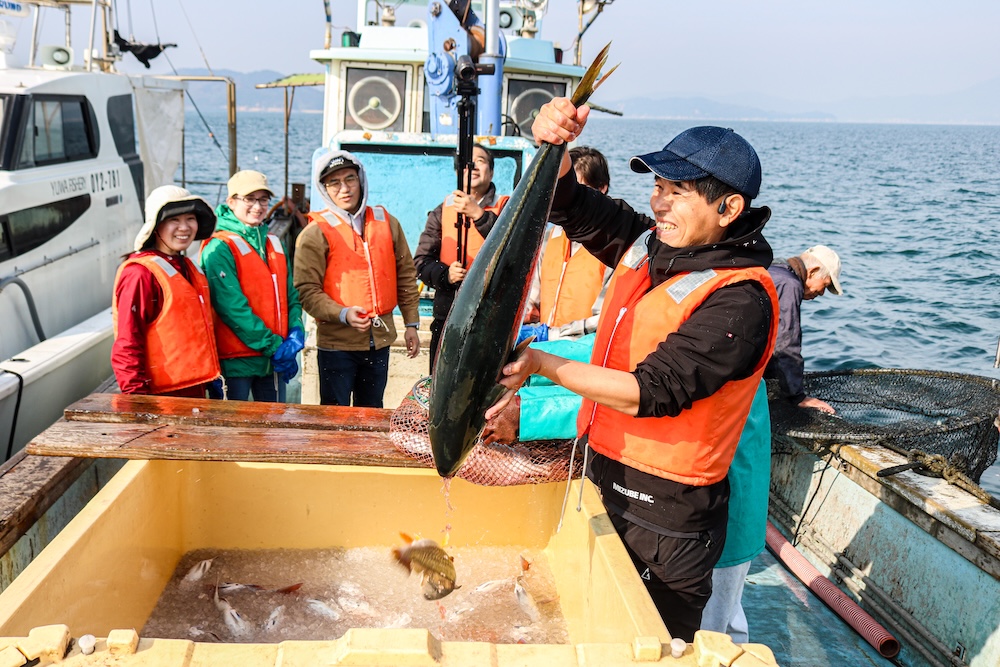
We embarked on a boat to the port on Kita-Gi Island to participate in an activity dedicated to cultivating and protecting a rich fishing ground. We observed trap net fishing, a passive method where fish are waited for rather than actively pursued. This approach significantly reduces the risk of overfishing and concentrated catches.
We experienced the intensity of hauling the net using a crane and transferring the catch into a dedicated box. This moment powerfully underscored the high energy and daily commitment required to provide life from the sea, a fact often overlooked in daily urban life.
Another highlight of this trip was visiting an oyster farming raft.
Traditional oyster aquaculture, particularly common in major producing regions like Hiroshima, often uses vast quantities of plastic pipes as spacers to separate the oysters. These pipes are prone to leaching into the sea during harvesting and cleaning, or they break, drift, and wash ashore due to age or boat contact, causing marine plastic pollution.
However, at Yuwa Fishery, they have a system with plastic baskets. This system eliminates the need for spacing pipes. The baskets are secured to floats or linked with ropes, lowering the risk of plastic spillage.
Even if a basket is lost, its larger size means it is quickly spotted, making recovery much easier than scattered pipe fragments. This approach represents a better way to utilise plastic in aquaculture, actively mitigating the potential for marine waste.
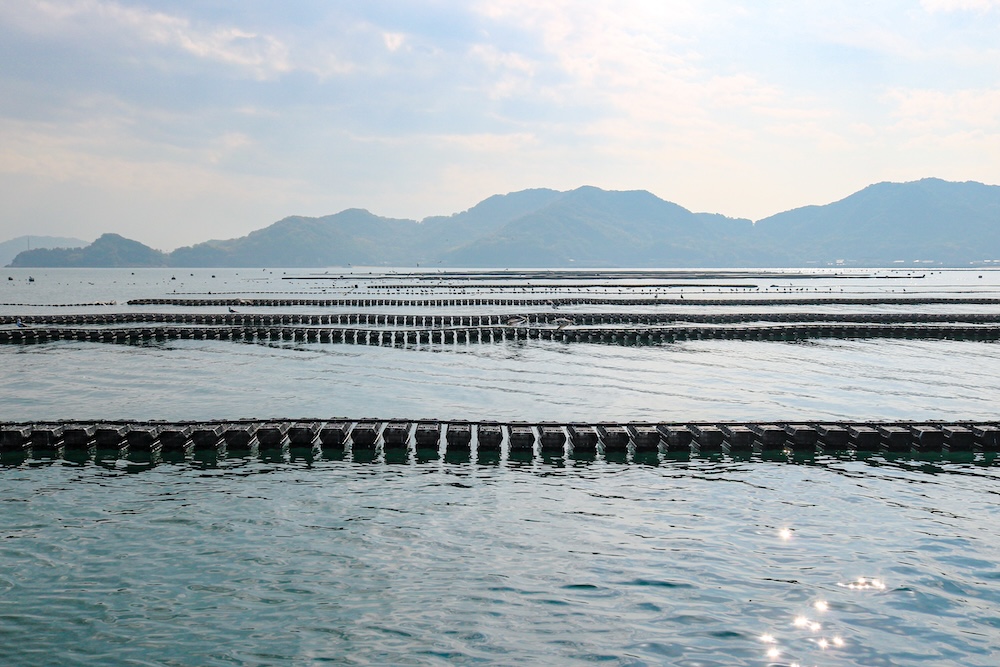
Despite this innovation, only 10–20 percent of overall oyster production uses baskets. Yuwa Fishery revealed the stark reality that they are the only ones in Kasaoka using basket cultivation. Local fishermen are ageing, making it difficult to adopt new practices. Furthermore, they noted the warming of the sea due to climate change is killing oysters that can only survive in colder waters. Future plans may involve cross-breeding oysters that can thrive in warmer conditions.
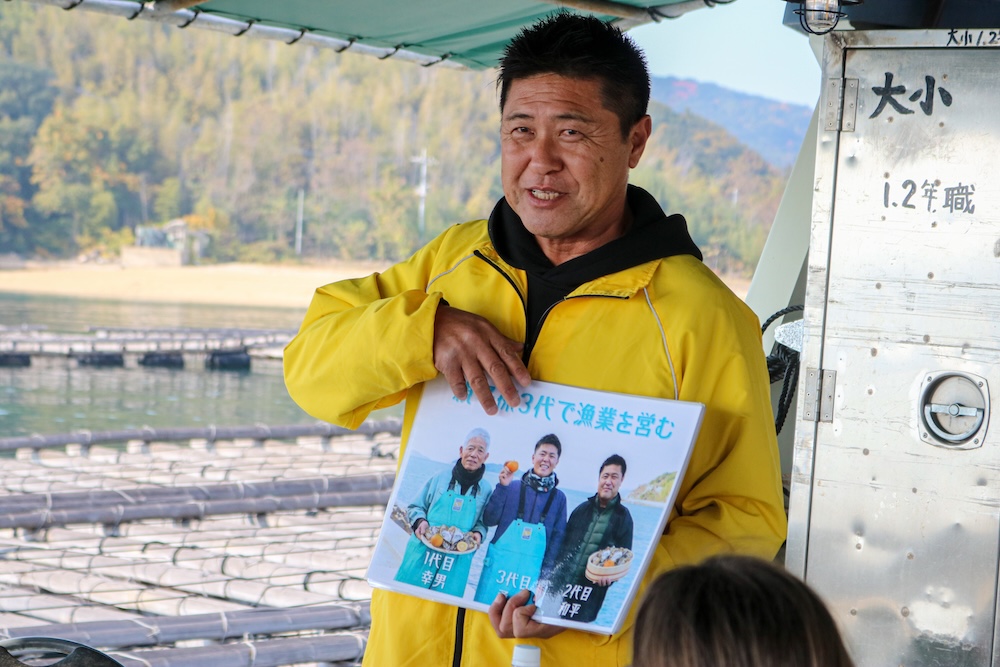
After observing the fishing and oyster farming, we participated in a learning session about eelgrass (Zostera marina), known as the “cradle of the sea.” Eelgrass beds are vital to the marine ecosystem, serving as a habitat, spawning ground, and refuge for numerous fish and creatures, which are essential for the local fishing industry’s prosperity.
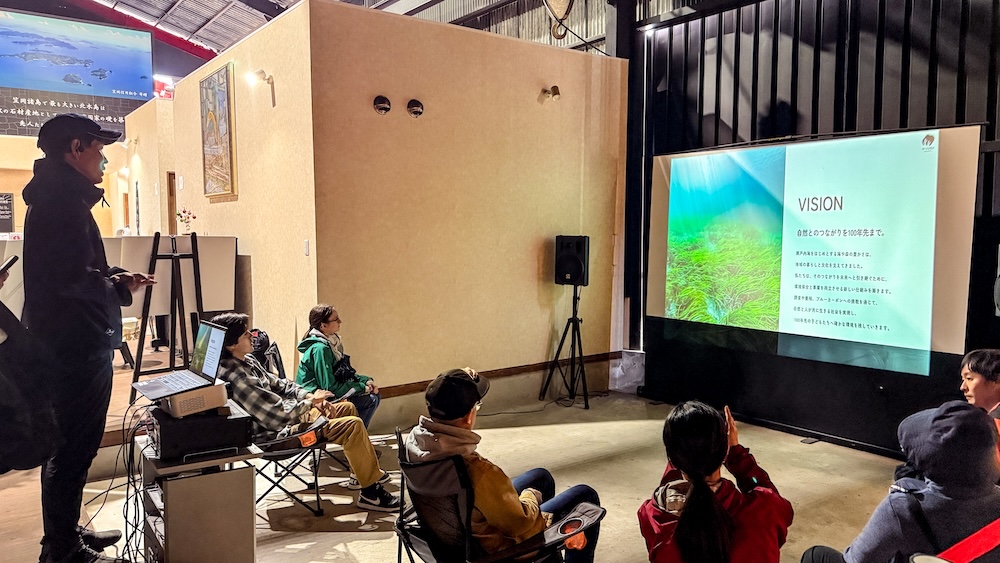
The decline of eelgrass leads to reduced fish catches. To regenerate these important beds, we participated in making “Eelgrass Pods,” which involved planting eelgrass seedlings in paper cups.
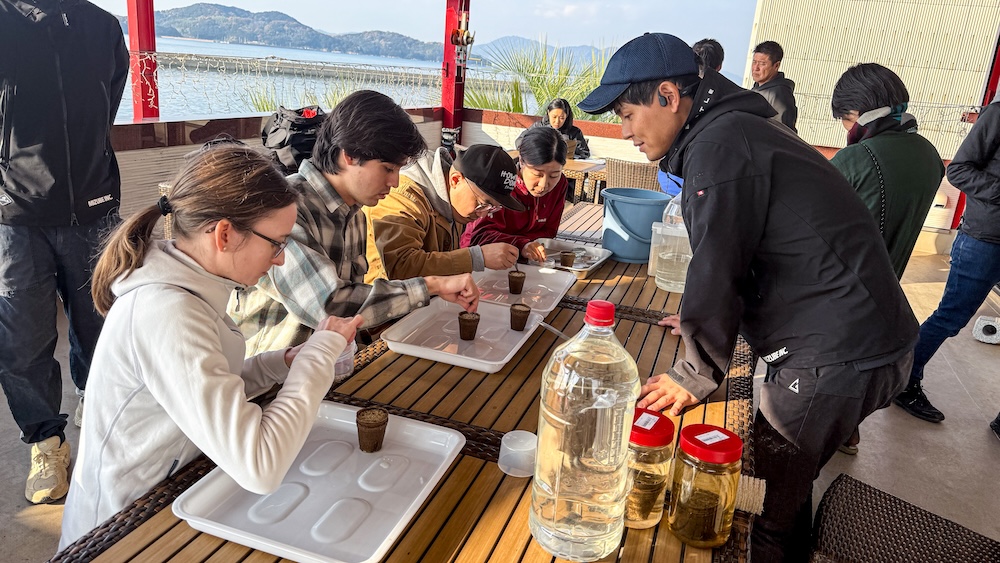
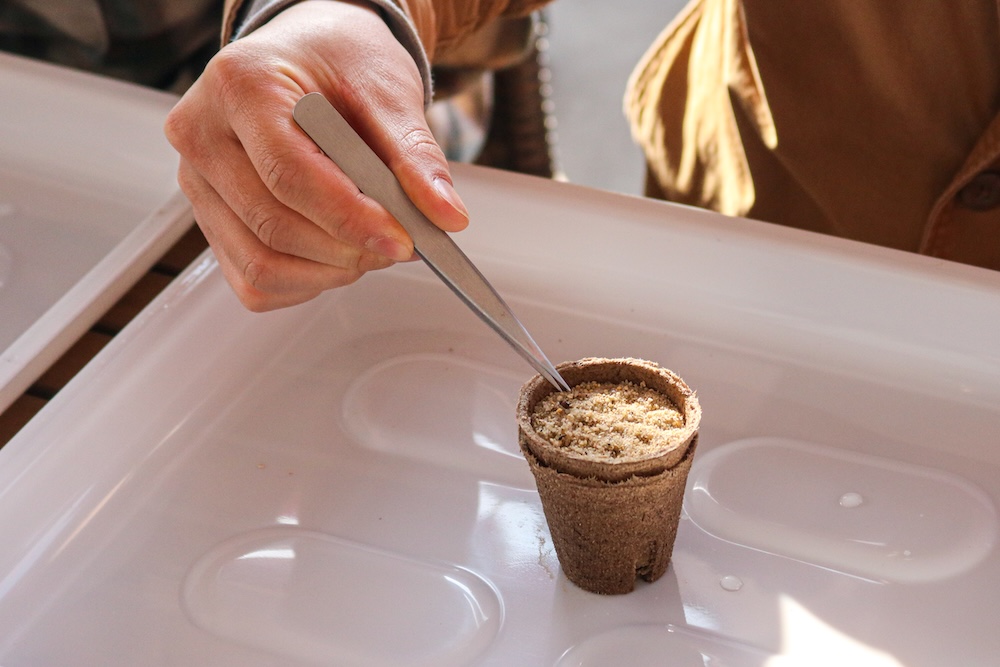
These pods are subsequently planted in the sea by local divers to regenerate the eelgrass beds. Okayama has been a national pioneer in eelgrass bed regeneration efforts for over 35 years, with the local government, fishing cooperatives, universities, residents, and schools collaborating to foster a rich marine environment.
Okayama, where mountain and sea connect
In Japan, the term Satoyama refers to the Socio-Ecological Production Landscape, the managed natural areas nestled between human settlements (Sato) and the deep mountains (Yama). The areas we visited in Okayama embodied this concept perfectly.
Improving the richness of the sea is intrinsically linked to managing the mountains (Satoyama). A healthy mountain environment increases spring water flow, which carries nutrients like amino acids into the sea, directly influencing the flavour of marine life like oysters. This vital chain, where the “mountain gives back to the sea,” is clearly at play in Okayama. Coastal areas where human intervention has enhanced biological productivity and biodiversity are termed Satoumi.
The opportunity to learn, experience, and eat from both the mountain and the sea is undoubtedly a major draw of Okayama. However, conservation activities cannot scale with the efforts of foresters and fishing cooperatives alone. Our local forest guide shared: “Forest management is important, but few in the industry share the same long-term environmental vision. Success is too often measured simply by the volume of timber harvested.” The participation of visitors from other regions is essential.
In Hokubo, Kasaoka, and Hinase, the goal is to cultivate a kankeijinkou (relationship population), visitors who participate in conservation work, deepen their understanding of the environment and build a new relationship with the community, viewing the region as a second home. The Ministry of the Environment’s OSSU is the vehicle for this.
Inspired by the casual Japanese greeting “ossu,” this initiative aims to create easy, human connections between local communities and visitors, and to turn those relationships into ongoing efforts to protect and sustain the region’s environmental resources. To experience this regenerative tourism model, visit the OSSU website.
[Reference] Okayama Sustainable SATOYAMA / SATOUMI University