 Zenbird Editorial Team
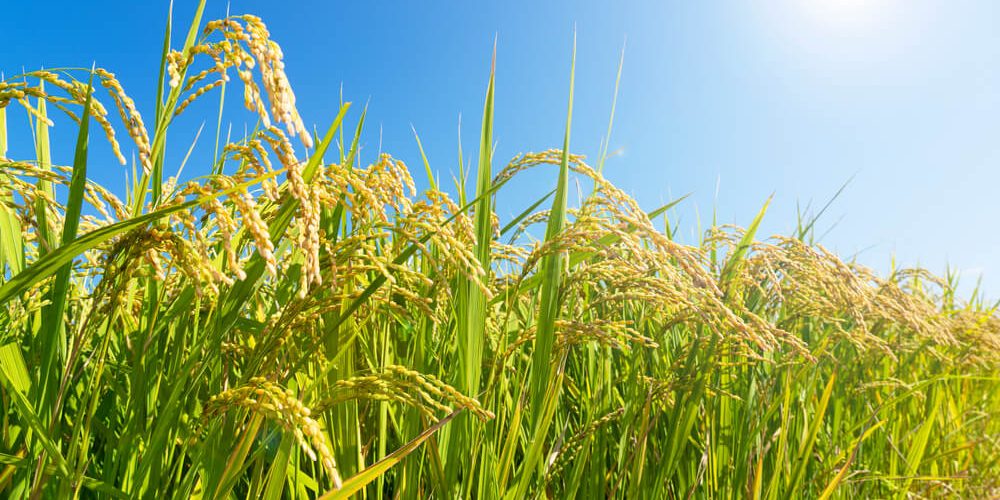
Chubu Electric Power is pioneering a new method of rice cultivation that does not require flooded paddies, a technique that reduces methane gas emissions by approximately 80% and cuts labour time by around 60%. The initiative, trialled in the fields of Shinshiro City, Aichi Prefecture, addresses both environmental concerns and the agricultural sector’s growing labour shortages.
Traditionally, rice farming is a labour-intensive process that involves tilling the soil, flooding the field, and then puddling the soil to create a uniform mud bed for planting seedlings. This new approach eliminates several of these demanding steps. The process of raising seedlings and puddling the soil is no longer necessary, and the man-hours for water management are significantly reduced.
The key to this “non-flooded” method is a special liquid fertiliser containing beer yeast, which is applied to the fields by drones. According to the company, the fertiliser tricks the rice plants into believing they are under threat from disease. In response, the plants develop a more robust and widespread root system to absorb more nutrients and water from the soil.
This extensive root system enables the rice to thrive without being submerged in water. As a result, the anaerobic conditions that produce large quantities of methane, a potent greenhouse gas, are avoided.
The reduction in workload offers a potential solution to the challenges facing Japan’s agricultural industry, including an ageing workforce and a decline in the number of farmers. A successful harvest was achieved last year using this method, and the company is considering selling this year’s crop to restaurants.
[Reference] dmenu News (Japanese)