 Roger Ong
There were a number of Japanese skincare product releases this year. We noticed that a category of them focused on maximising use and preventing waste of ingredients. Here are six Japanese skincare launches, with five of them upcycling by-products of food and tea production, and one switches to a domestically cultivated crop.
Domohorn Wrinkle Bikatsuhada Essence
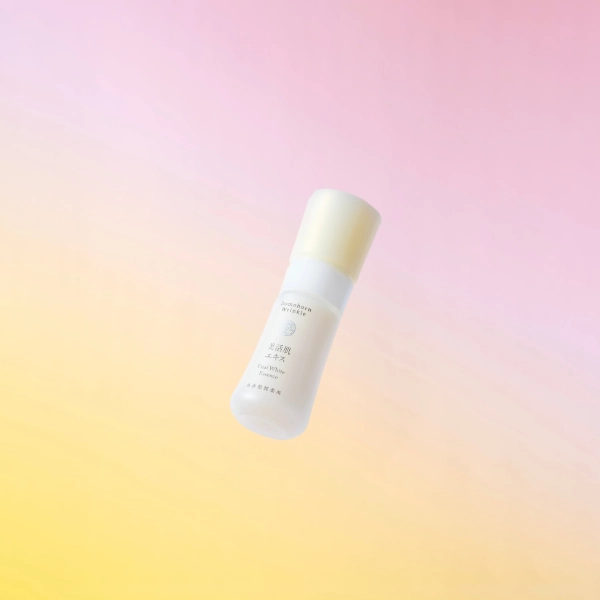
Saishunkan Pharmaceutical renewed its four core Domohorn Wrinkle products at the beginning of the year. The Bikatsuhada Essence now uses a licorice flavonoid grown and supplied in Japan by a subsidiary of Oji Holdings. Licorice is mostly imported, often as wild species from China, and wild sourcing has been linked to uneven quality, depletion from unplanned harvesting and desertification. Oji began large-scale domestic cultivation more than a decade ago and now harvests tonnes of traceable licorice each year. Saishunkan says the stable supply and environmental care made it a fit.
Domohorn Wrinkle Bikatsuhada EssenceSaborino Mezama Sheet High Moisture Type N AP25
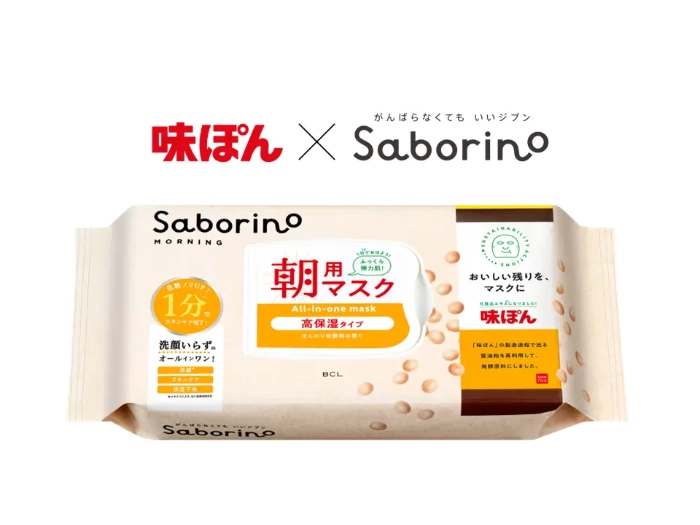
This mask is the first release in Amasu Koto Naku Itadaki Mask, a sustainability line named for the idea of using every last scrap.
The key ingredient is a fermented liquid made from soy sauce lees generated while producing the soy sauce used in Mizkan’s Ajipon ponzu seasoning. Biotech startup Fermenstation developed it, running repeated trials to keep laboratory quality consistent at factory scale. The by-product was previously unused, and the maker expects the liquid to support moisture and the skin barrier. The Mezama Sheet High Moisture Type N AP25 was released in limited quantities.
Saborino Mezama Sheet High Moisture Type N AP25Saborino Mezama Sheet High Moisture Type N PG26
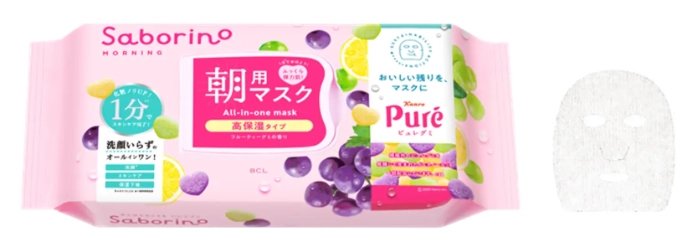
Saborino has been working with Fermenstation to release the second Amasu Koto Naku Itadaki Mask, similarly limited quantities. This time the by-product is off-spec Puré Gummy sweets from confectioner Kanro. Fermenstation ferments the rejects with yeast and distils them into fermented ethanol of at least 95% purity, used as a base ingredient. Foamy mash had reduced distillation efficiency, so the team refined both its fermentation conditions and its process.
Saborino Mezama Sheet High Moisture Type N PG26HADAYOI Sake Kasu Lotion and Sake Kasu Rich Cream

Cosmetics maker DMA, which focuses on Hokkaido-origin ingredients, teamed up with sake brewery Michisakari to launch HADAYOI. The brand upcycles two by-products of sake brewing, sake lees and rice bran, into cosmetic ingredients. Both were once kitchen staples for pickling and cooking, but westernised diets cut demand and left brewers with a nutrient-rich surplus. The first two products, Sake Kasu Lotion and Sake Kasu Rich Cream, are alcohol-free and combine Michisakari sake lees with raw placenta and Hokkaido thermal spring water.
HADAYOI Sake Kasu Lotion and Sake Kasu Rich Cream1684 AZUMAMINE Sake Lees Facial Cleansing Soap
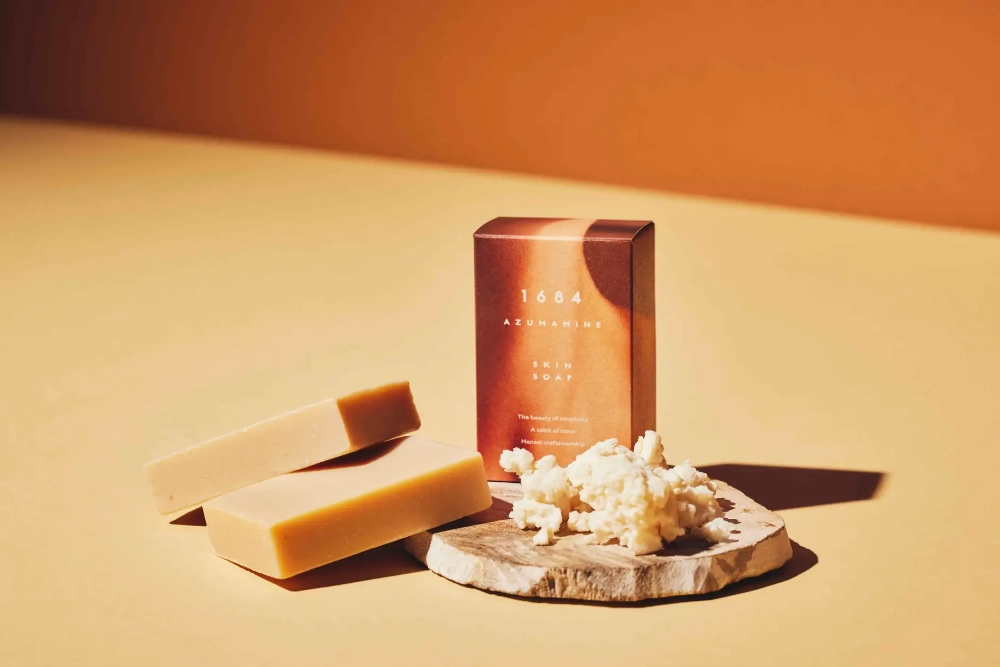
Skincare brand 1684 AZUMAMINE made this soap with additive-free sake lees from Azumamine Shuzoten, a brewery founded in 1684, the oldest brewery in Iwate Prefecture. The lees come from junmai sake made from only water and rice. Cold-process soap making, the maker says, keeps the amino acids formed during fermentation. The soap contains no parabens, synthetic fragrance or colourants, mineral oil or silicones.
1684 AZUMAMINE Sake Lees Facial Cleansing SoapDaily Aroma Japan MATCHA series
Daily Aroma Japan launched its MATCHA series in May with five itemsm including a face mask, hand cream a body cologne and bath salts containing tea leaves.
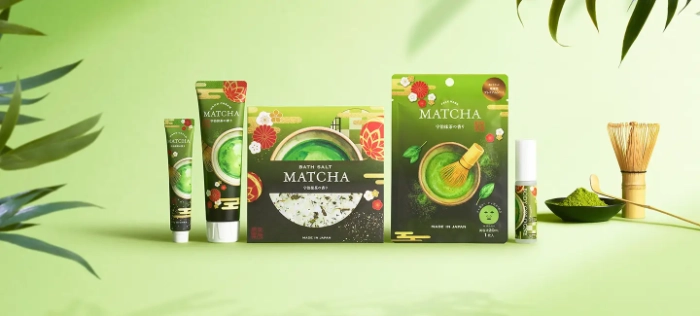
The range grew out of a project to restore abandoned tea fields in Minamiyamashiro, Kyoto, a village known for Uji tea where an ageing population and a lack of successors have left more plots untended. Beauty ingredients are extracted from tea leaves and flowers recovered during the restoration work. The company also released Mt Fuji Lavender and Mt Fuji Blueberry lines, using lavender trimmings and blueberries that fell unharvested.
MATCHA Face Mask