 Zenbird Editorial Team
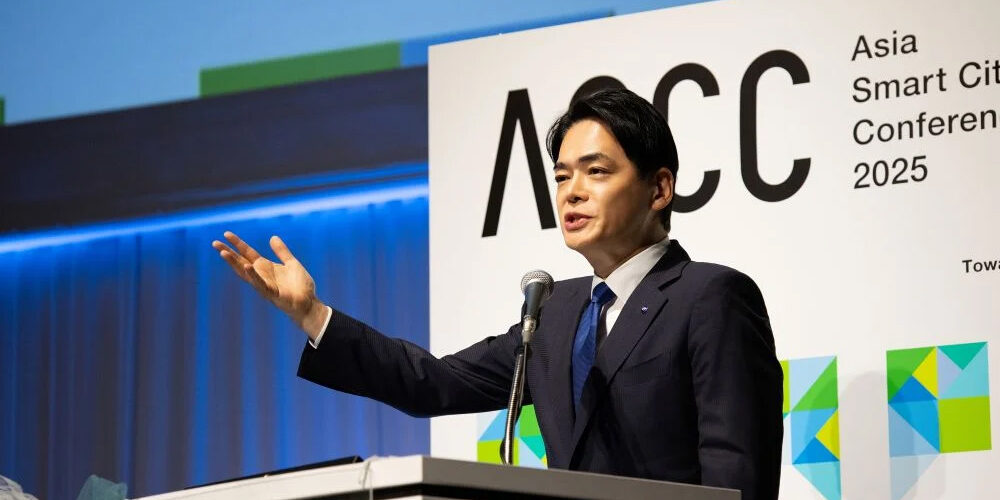
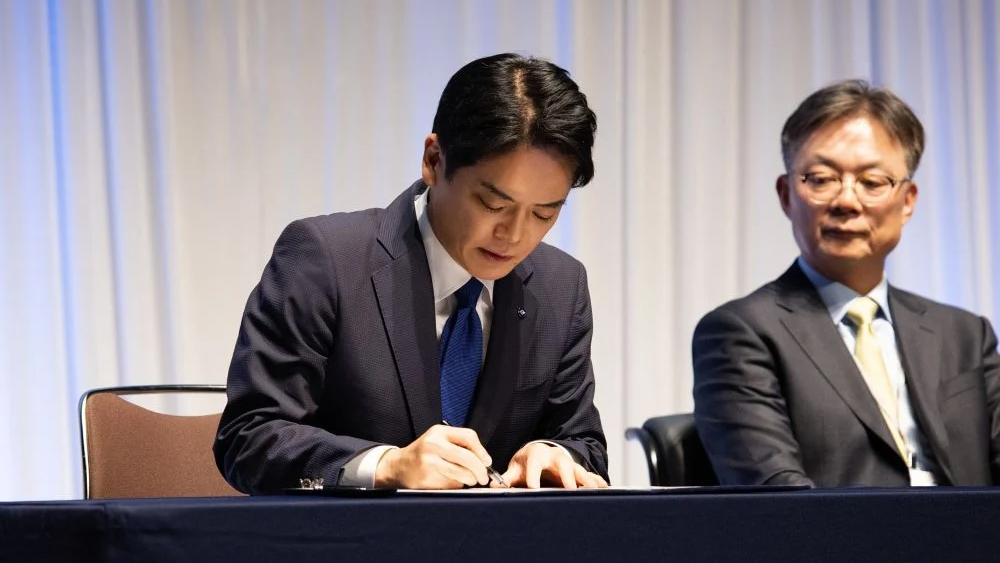
On 25 and 26 November 2025, the City of Yokohama hosted the Asia Smart City Conference (ASCC 2025), marking a significant development in regional sustainability governance. During the event, Yokohama became the inaugural signatory of the Asian Circular Cities Declaration, the first region-wide framework designed to accelerate the transition to circular urban systems across Asia.
Rapid urbanisation in Asia has led to increased resource consumption and waste generation, creating an urgent need for systemic change. While individual local governments have explored circular economy solutions, the region has historically lacked a unified platform for collaboration. Inspired by the European Circular Cities Declaration of 2020, which now unites approximately 90 cities, the new Asian framework addresses the specific challenges and opportunities inherent to the region.
The declaration aims to strengthen cooperation among cities, enabling them to co-create practical pathways toward resilient and inclusive urban systems. By establishing this platform, participating cities intend to move beyond isolated initiatives toward a collective regional strategy for resource circulation.
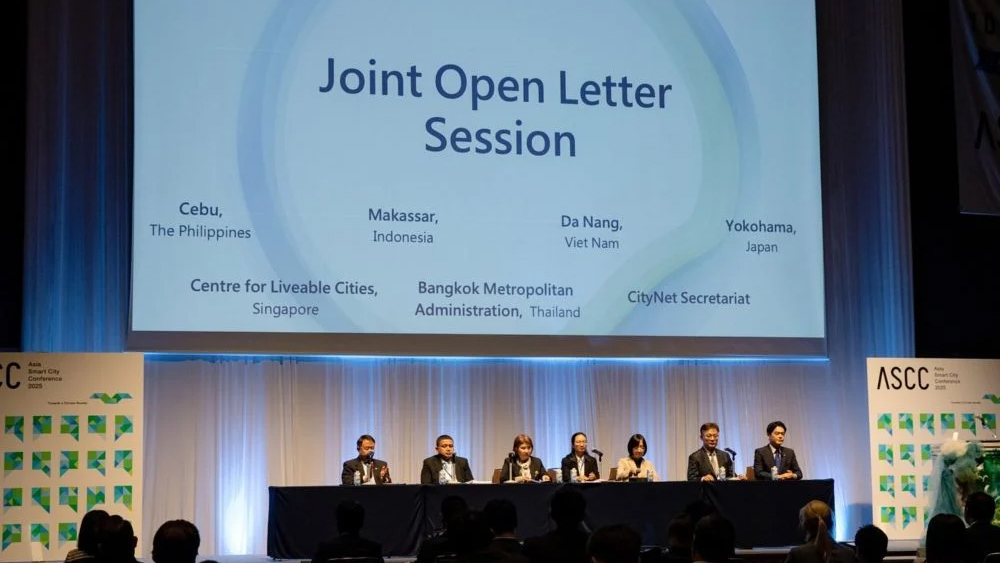
The launch at ASCC 2025 garnered support from major urban centres across the region. Leaders from Bangkok, Thailand; Da Nang, Vietnam; Makassar, Indonesia; and Cebu, the Philippines, alongside Singapore’s Centre for Liveable Cities, joined Yokohama in endorsing the establishment of the declaration. CityNet, the regional network of local governments, acted as a witness to the announcement.
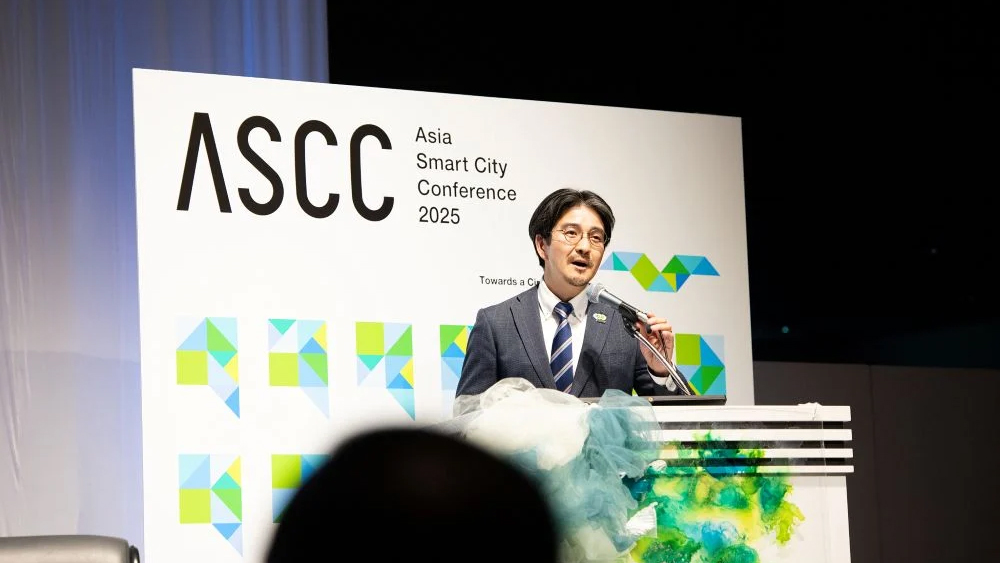
Yokohama Mayor Takeharu Yamanaka highlighted the collaborative nature of the initiative. “We heard high expectations from many partners for the Asian Circular Cities Declaration, and Yokohama will work tirelessly to encourage more cities to join and expand this movement across Asia,” Yamanaka stated.
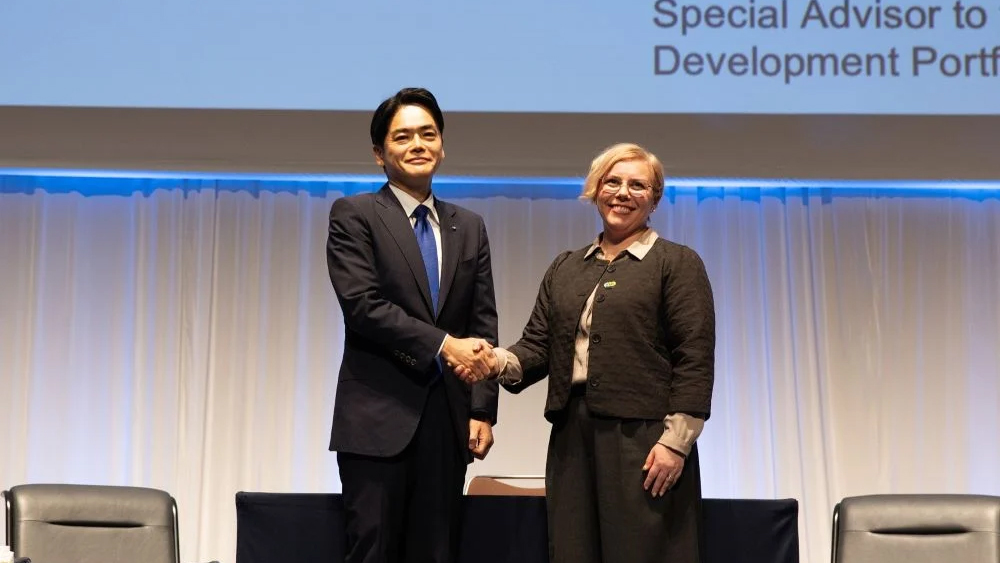
The initiative also received backing from global entities. Piia Elo, the Mayor of Turku, Finland, and an advisor to the ICLEI Global Executive Committee, attended the conference to voice her support. She noted that Turku supports Yokohama’s leadership in creating a city-led transition that empowers local stakeholders through international collaboration. Further endorsements came from the Asian Development Bank (ADB), the World Bank Tokyo Development Learning Center, UNDP, UN-Habitat, and the World Economic Forum.
To ensure the declaration translates into actionable progress, ICLEI Japan announced it will host and manage the framework. Under this coordination, the initiative will support cities in developing circular strategies, facilitate city-to-city learning, and share data and best practices. It will also serve to strengthen partnerships between local governments, research institutions, and the private sector.
Yokohama’s appointment as the first signatory reflects its ongoing local initiatives. The city is currently conducting Japan’s first district-level material flow analysis through the Minato Mirai Circular City Project, which visualises resource circulation to identify decarbonisation priorities. Additionally, the city has implemented the SDGs Locker system, a smart locker initiative to reduce food loss, and STYLE 100, a project aiming to introduce 100 sustainable lifestyles by 2027.
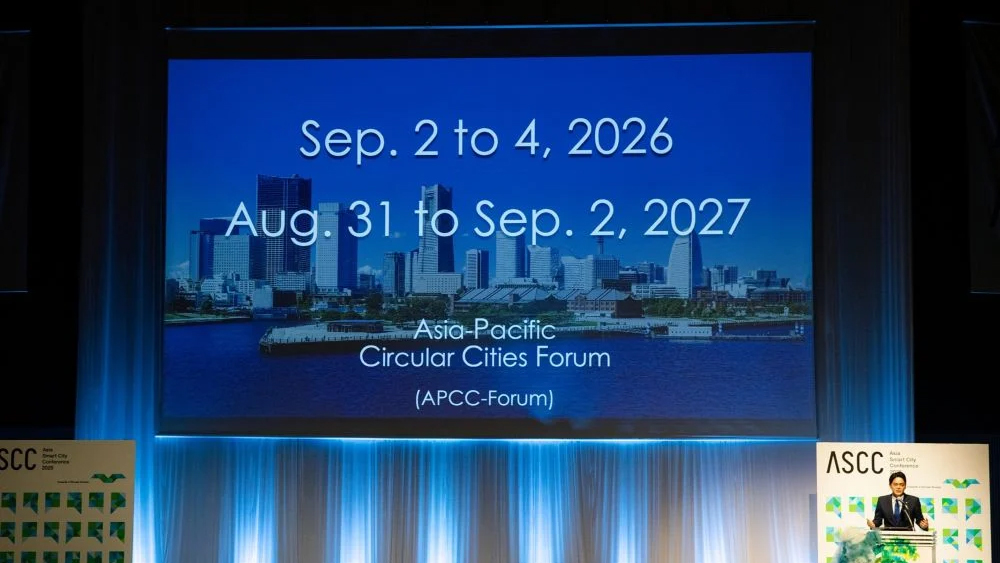
Reflecting the growing priority of the circular economy in urban planning, Mayor Yamanaka announced that the ASCC will be rebranded as the Asia-Pacific Circular Cities Forum (APCC-Forum) starting next year. The inaugural APCC-Forum is scheduled for September 2026, followed by a 2027 edition to coincide with GREEN×EXPO 2027 in Yokohama. This evolution positions Yokohama not only as a local practitioner but as a central hub for circular economy governance in the Asia-Pacific region.
[Reference] Green Hub in Asia, Business Yokohama