 Zenbird Editorial Team
XELA Robotics, a startup launched from Waseda University, has developed a tactile sensor that gives robots a human-like sense of touch, a technology that could enhance precision in manufacturing and reduce industrial waste.
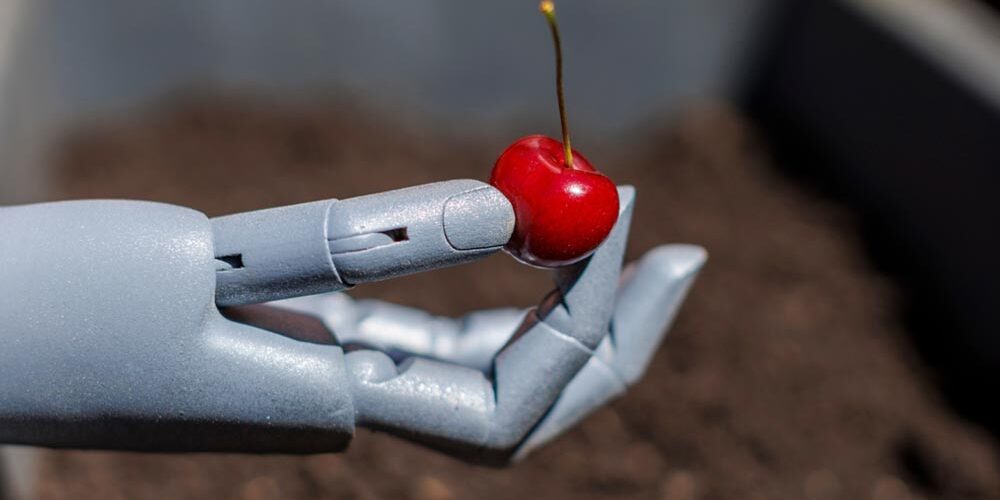
The “uSkin” sensor is a 3-axis tactile device that can be integrated into robotic hands and grippers. By detecting both pressure and shear forces in real time, the sensor allows a robot to understand the “sensation of touch”, which has been a long-standing challenge in automation.
This technological advancement enables robots to perform delicate tasks that have traditionally been difficult to automate. These include handling soft materials without crushing them or assembling fine components with consistent force. The increased precision directly improves quality control and operational efficiency on production lines.
The primary environmental benefit of this innovation is its potential to curb waste by minimising production errors and the reducing defective production. Tasks that are difficult robots, such as holding soft items without crushing them or assembling delicate parts with uniform force can also boost efficiency, that is, reducing unnecessary consumption of materials and energy.
While such technology is not intended to replace the unique skills of human artisans, it represents a step towards a future where technology supports sustainability in mass production. By combining robotic precision with resource efficiency, innovations like the uSkin sensor can help reconcile the demands of modern industry with the need for environmental responsibility.
[Website] XELA RoboticsMore technology in Japan
- 2026-02-26: Ehime campus repurposes abandoned schools to train drone pilots
- 2026-01-27: Second Hometown Project community tokens to deepen ties to Nagano
- 2026-01-15: Tsunan Sake Brewery launches Lunar Brewery metaverse to reach global fans
- 2026-01-09: TOPPAN Digital and OKI aim to scale Omuta flood alert system after pilot
- 2026-01-06: ECOMMIT enhances PASSTO app with gamified rewards for circular actions