 Motomi Souma
What is democracy?
How would you respond if you were suddenly asked this question? You might mention the existence of an electoral system, decision-making by majority vote, or the right to express your own opinion. The answers would likely vary.
However, you might find it surprisingly difficult to answer when formally asked, even though you have known the term itself since junior high school.
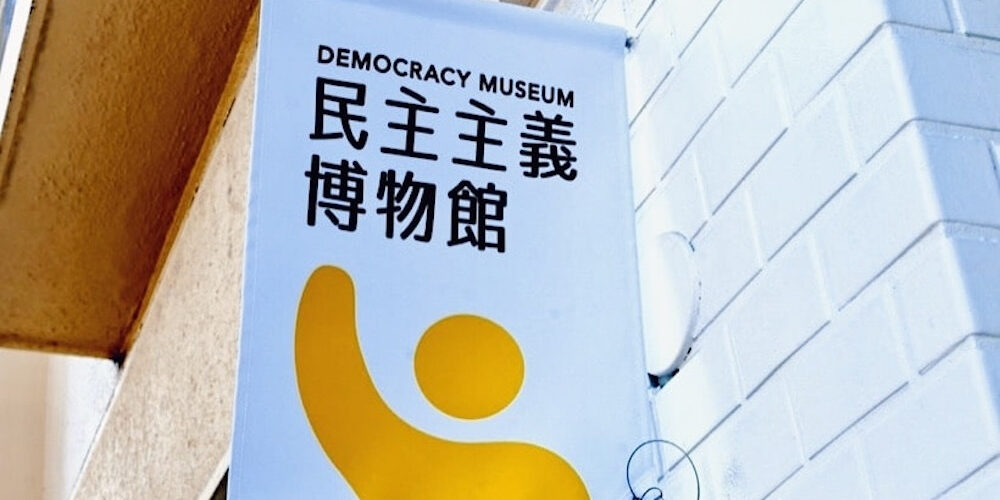
There is a museum that poses this very question to us: “What is democracy?” The Democracy Museum opened in Den-en-chofu, Tokyo, in May 2024.
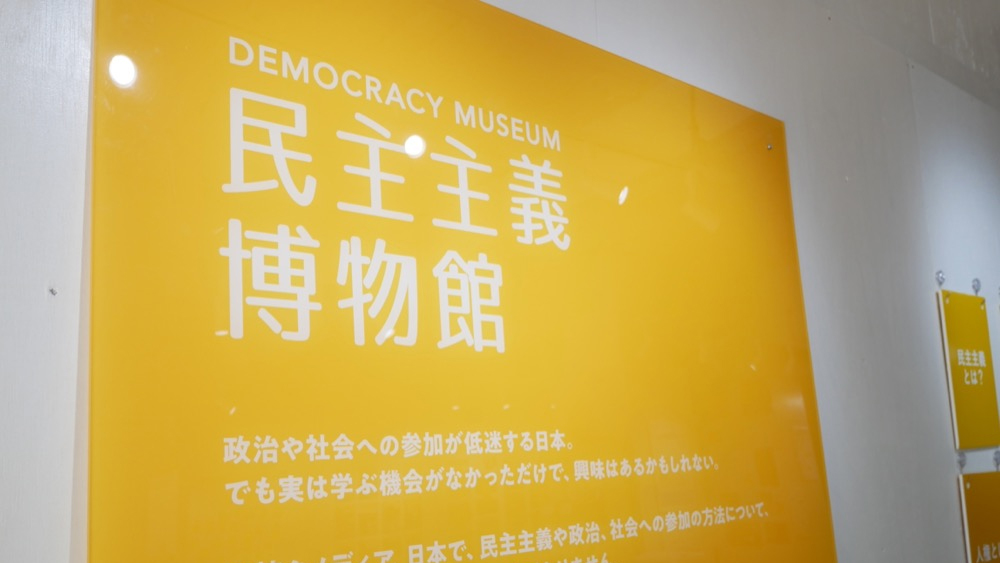
It is run by the Japan Youth Council, an organisation that aims to reflect the voices of young people in policy. It is a museum they planned, designed, and built themselves, driven by a desire to create a place where people can learn about democracy and politics in an approachable way. It is filled with insights gained from years of advocacy work and the critical questions we should be considering today.
What were the underlying issues that led to its establishment? What kind of learning experiences do they hope to foster in this space? We visited the museum to speak with Yuki Murohashi, the Representative Director of the Japan Youth Council.
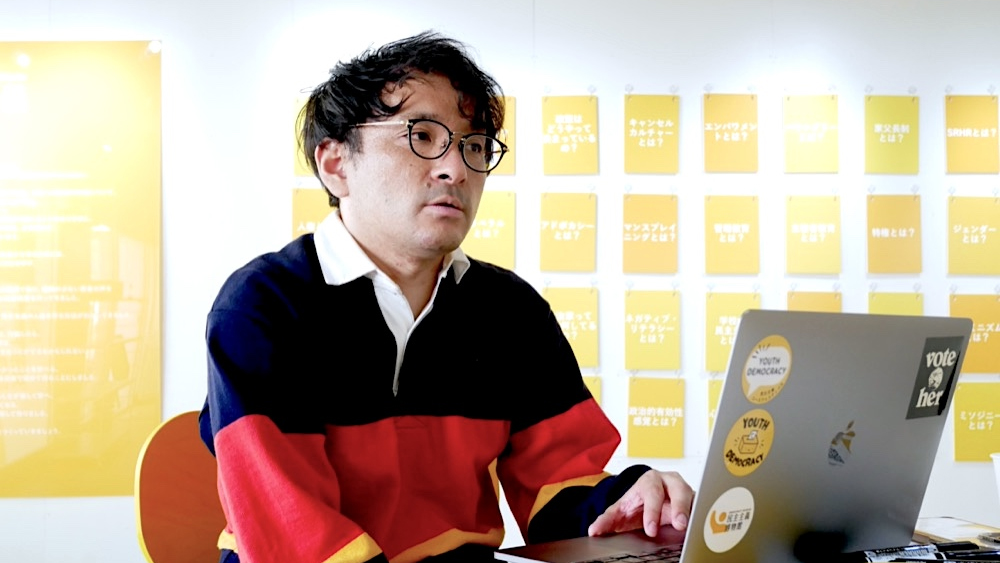
Interviewee Profile: Yuki Murohashi
Is democracy ‘misunderstood’? An opportunity to learn and reflect on its true meaning
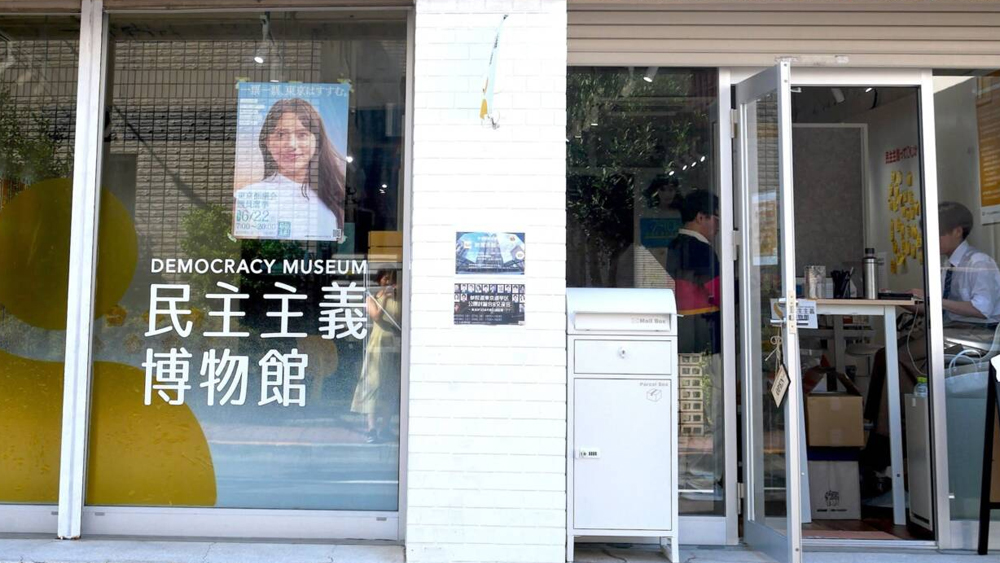
The Democracy Museum is located on the ground floor of a building in a quiet residential area, about a ten-minute walk from Tamagawa Station on the Tokyu Toyoko Line. A glass facade reveals the interior, creating a sense of openness with the outside world.
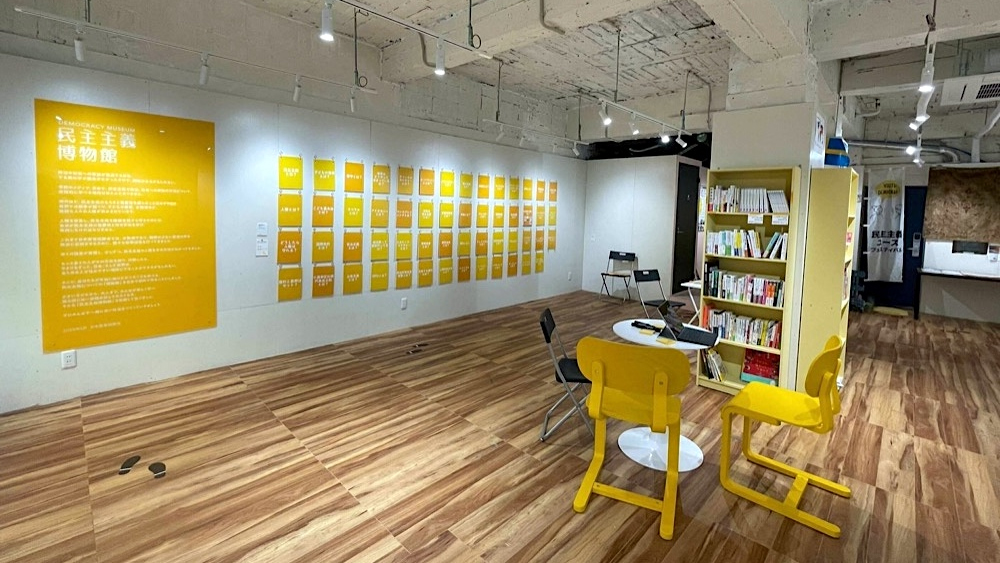
Upon entering, the bright, naturally lit space is filled with exhibits featuring orange and yellow as their primary colours. The white walls and brown flooring give it a homely feel, creating a reassuring atmosphere where one can settle in for a conversation.
The Japan Youth Council is a youth organisation that advocates for reflecting young people’s voices in policy. Established in 2015, its members are in their teens to thirties. Drawing inspiration from third-party organisations overseas, it has hosted events such as the “Japan Youth Parliament” and the “Children’s Diet” to facilitate dialogue between young people and politicians. It has a track record of influencing policy, contributing to the enactment of the “Basic Act for Children” and the promotion of democracy within schools.
Thanks in part to these activities, there has been a significant increase in venues for learning about political issues such as gender and feminism. However, while places to study these individual topics exist, there are few that offer a comprehensive education on democracy and politics as a whole. Although the number of young people engaged in political activities is growing, they still represent a very small fraction of the total population.
The Japan Youth Council felt for several years that a permanent, easily accessible place was needed for a wider audience to learn about democracy and politics, rather than relying on one-off events and workshops. The Democracy Museum was born from this sense of necessity.
Murohashi: “Japan is, for all intents and purposes, a democratic nation, and you might think our situation isn’t necessarily bad compared to countries with authoritarian regimes. However, when it comes to practising democracy in our daily lives, I believe we are falling far short.
“For example, when I speak with people from Nordic countries, which are advanced regions for democracy, words like ‘democracy’ and ‘human rights’ come up very frequently in everyday conversation. Even junior high school students were having these discussions. I get a strong sense from them that democracy and human rights are their ‘tools,’ something to be mastered.
“In Japan, on the other hand, we are not taught how to engage in social movements during our school years, and we become adults without understanding their significance. The very terms ‘democracy’ and ‘human rights’ are often not well understood in their true meaning or are misinterpreted.
“I believe this lack of correct knowledge creates a vicious cycle. It fosters misconceptions, such as ‘politics is dangerous,’ and a tendency to treat politics as taboo, which in turn further distances people from politics.”
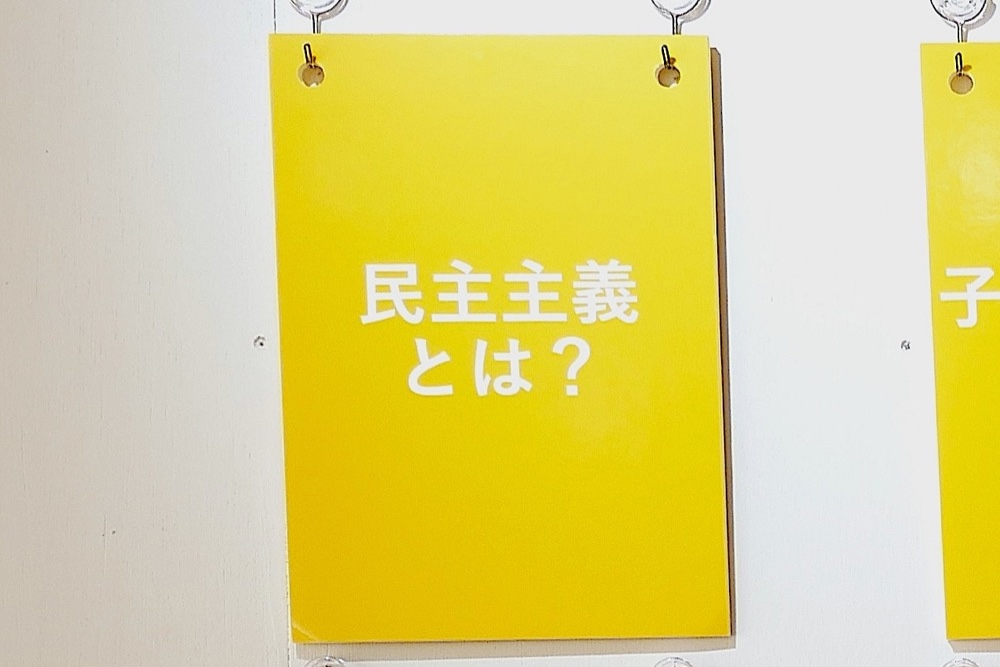
The first exhibit attempts to dispel these misunderstandings and build a foundation for political discussion. A board installed on one entire wall features a wide array of terms, from words most people would know, like “democracy” and “human rights,” to those that have gained recognition in recent years, such as “mansplaining” and “negative literacy.”
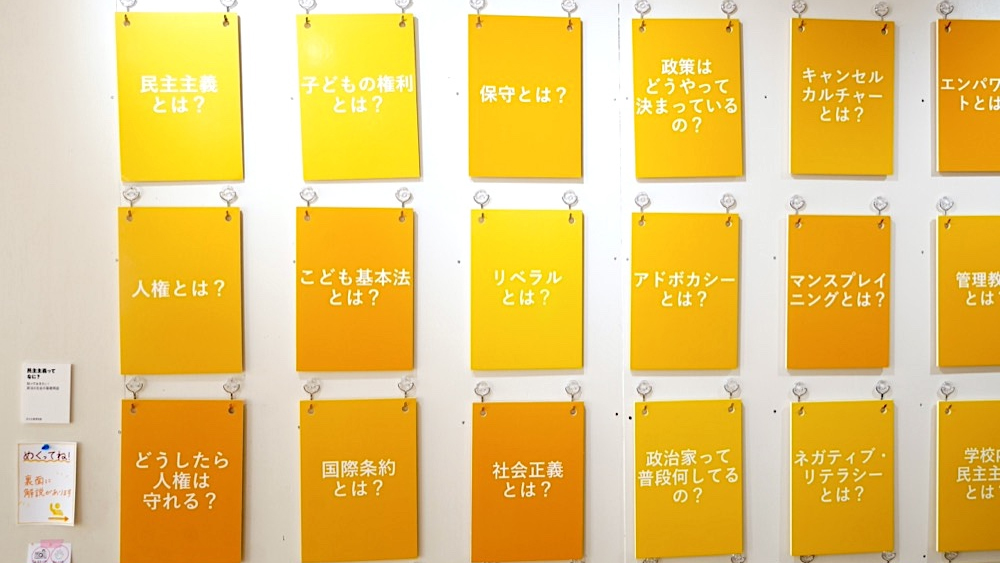
Let’s try flipping one over. Turning over the board that reads “What is democracy?” reveals the following text:
When you hear the word democracy, many people might think of political systems, such as majority rule or elections. In reality, however, it is much broader. Hal Koch, a thinker known as the “father of democracy” in Denmark, a country where democracy is highly developed, describes the essence of democracy as conversation, mutual understanding, and respect, expressing it as a way of life.
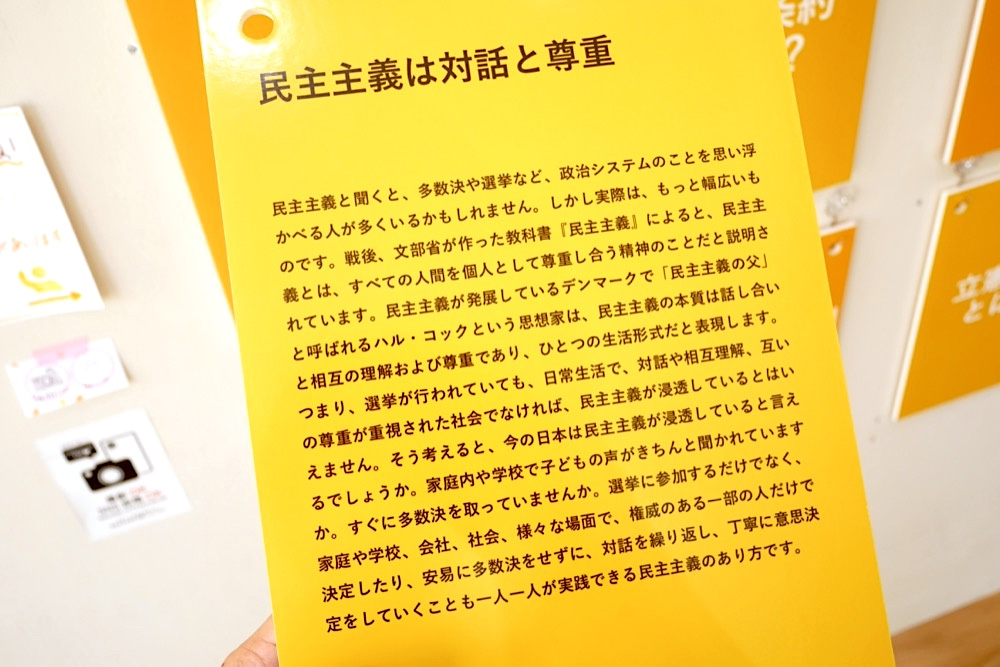
All of the explanatory texts were written through extensive discussions with members of the Japan Youth Council. They consciously aimed for realistic expressions, avoiding purely dictionary-like definitions and instead incorporating feelings from their activities and results from actual surveys they conducted.
Murohashi: “This isn’t about presenting a single correct answer. We hope it serves as a catalyst for deeper thinking, as one proposal of another way of looking at things.”
Is it true that social movements don’t happen in Japan? Tracing the history of democratic education
The reality that politics is seen as taboo is evident in the story of their struggle to find a location for the museum.
They searched for a space in town centres and shopping districts to allow people to engage with politics in their daily lives, but they were repeatedly turned down because the facility’s theme was “politics.” At the time, extremist political parties were beginning to gain popularity online, and many property owners were concerned that a politically themed venue might become a gathering place for dangerous activists.
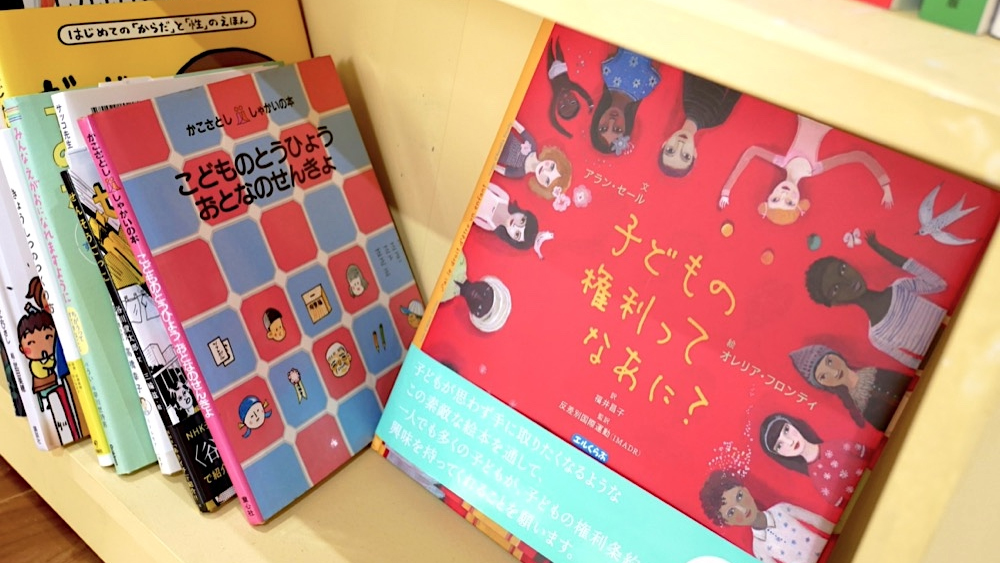
But has Japan always been a country that tends to treat politics as taboo, a place where “social movements rarely happen”?
Murohashi explains that this is by no means the case. In fact, in the post-war period from the 1950s to the 1970s, large-scale political movements occurred frequently, such as the Anpo protests against the revision and extension of the US-Japan Security Treaty and the Minamata disease struggle demanding compensation and recognition for victims. A wide range of generations actively participated in these movements, with high school and university students taking part in demonstrations and distributing leaflets.
This history of social movements can also be experienced through the museum’s exhibits. In particular, high school newspapers published in the 1960s show that students of the time held independent opinions about their school systems and society.
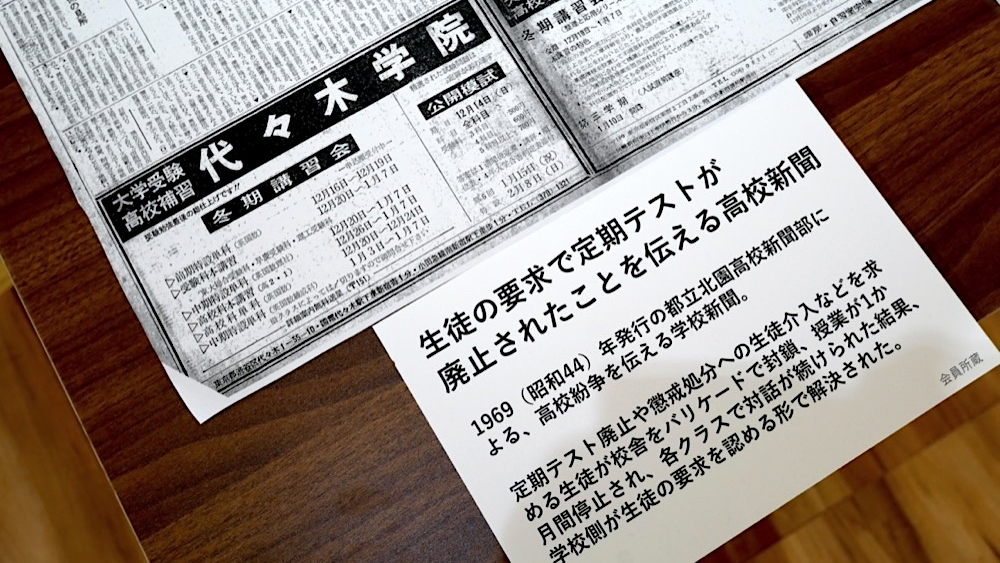
However, a 1969 directive from the Ministry of Education (now the Ministry of Education, Culture, Sports, Science and Technology) that restricted the political activities of high school students drastically changed the course of events. This directive, while not banning political education, requested that schools limit students’ political participation, such as distributing leaflets and holding assemblies on school grounds. In practice, teachers and schools over-interpreted the directive’s content. As a result, a tendency to avoid discussing political topics in schools emerged, and the view of politics as taboo grew stronger within society.
Murohashi: “In post-war Japan, there was a fair amount of social activism. However, following the 1969 directive, both education and society began to avoid dealing with politics, steering towards a control-oriented education system that produced obedient students.
“This may have reduced violent movements and created a superficially stable and good society. On the other hand, for the past several decades, Japanese society has had almost no democratic success stories of changing laws or governments through social movements. I believe this has created a significant gap between Japan and other countries.”
[Editor note: The official title is “Notification Regarding the Education of Political Literacy in High Schools, etc., and Political Activities by Students of High Schools, etc.” It was issued in response to the disruption on and off campus caused by student movements and the Anpo protests in the late 1960s.]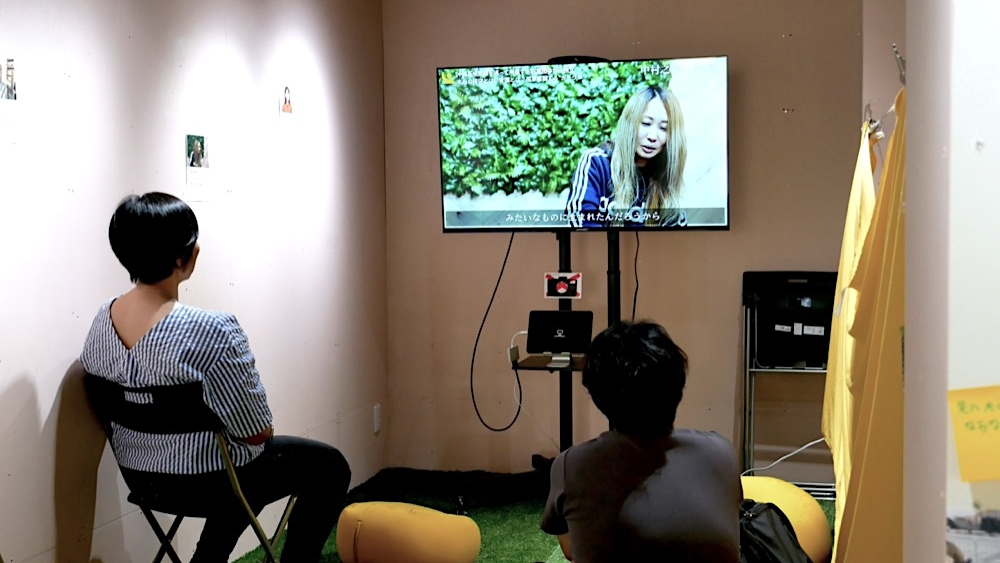
In 2015, the voting age was lowered to 18, which has prompted a move towards strengthening civic education in high schools and respecting political activities outside of school. However, 46 years passed between the 1969 directive and that year, meaning that many people born and raised during that period have not personally experienced political movements like those of the post-war era.
Murohashi: “Without the actual experience of having one’s voice heard in politics, it is difficult to provide a realistic political education.
“Conversely, this means that if we can change our policies and the nature of education, we can create a culture in Japan where people talk more about politics and society. Some people attribute the current situation to the national character, saying ‘Japanese people are passive,’ but that is not necessarily the case.”
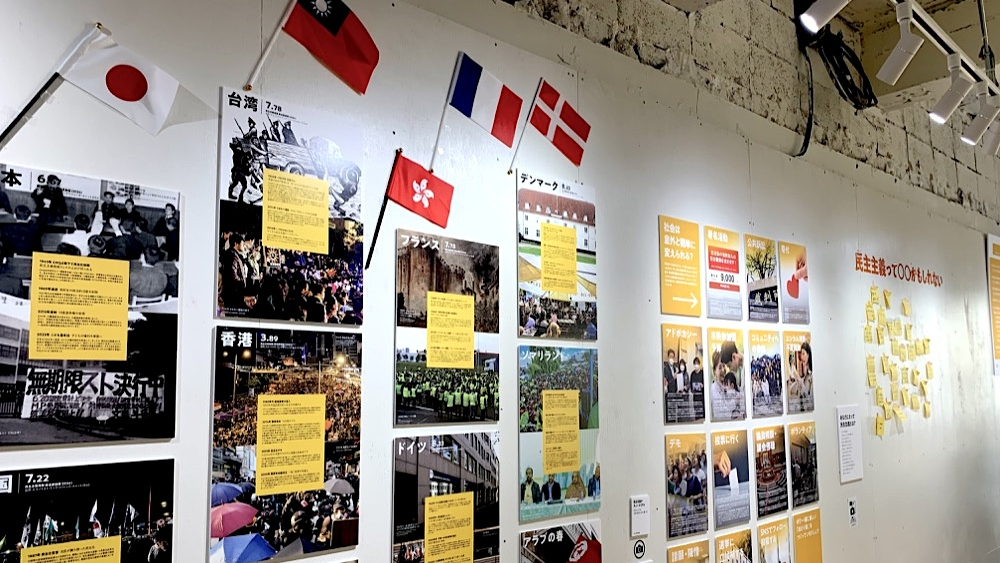
The latter half of the museum tour includes an exhibit that allows visitors to compare the history of democratic education by country. It covers not only Japan but also neighbouring Asian countries like Taiwan and South Korea, as well as Nordic and European nations known as advanced democracies. It clearly shows how the timing of democratisation and the direction of education vary completely from country to country, and how that influences the state of each nation today.
Face-to-Face discussions in a safe space: A place to overcome division and take a step forward
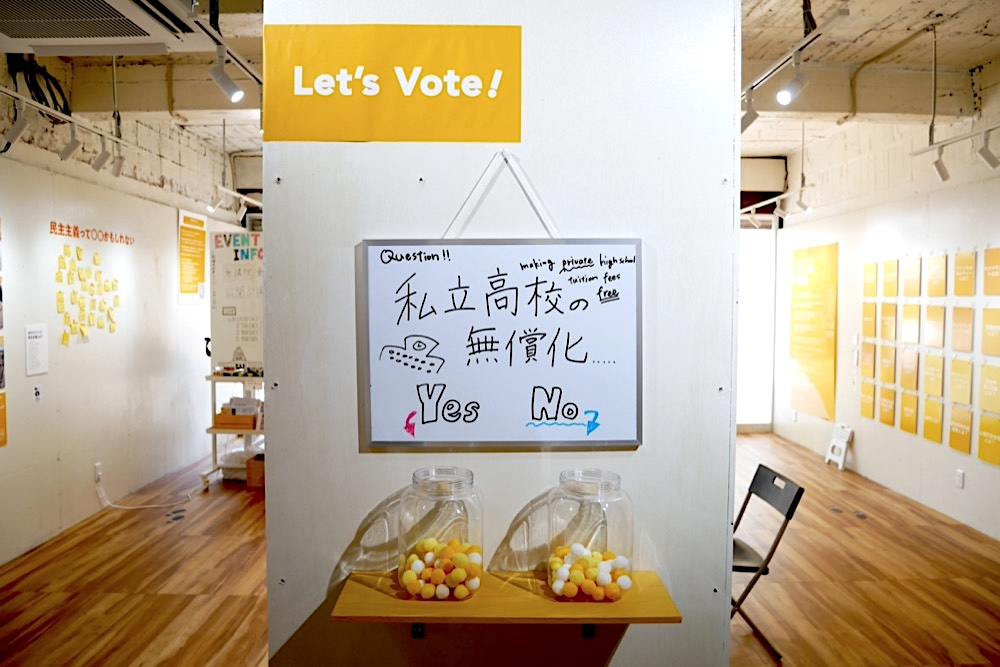
The museum concludes with an exhibit showing ways to change society and an interactive display where visitors can write down their own thoughts on the theme, “Democracy might be…”
Murohashi: “We designed the entire experience with a flow that starts with learning and ends with visitors feeling empowered to take a step forward as they leave the museum.”
In the future, they plan to use the space as a venue for dialogue and debate. In recent years, political discussions on social media have become increasingly heated. However, with social media algorithms that tend to show users only certain types of information and an online environment where it is easy to attack others, it seems incredibly difficult to have discussions without causing division.
Murohashi: “That’s precisely why I believe the need for real-life dialogue and debate is growing. For example, we recently hosted a discussion and exchange event between Tokyo Metropolitan Assembly election candidates for Ota Ward and local citizens. During the event, we read out the museum’s ground rules, such as ‘no personal attacks or discriminatory remarks,’ and had participants learn from the exhibits about how to avoid positional arguments. The relaxed atmosphere of the venue helped facilitate a calm and constructive discussion, and it turned out to be a very positive experience.”
What is democracy? The “clues” are scattered throughout this museum. But perhaps its true meaning is something to be experienced through trial and error, together with the people who gather there.
Murohashi: “There are many examples in Japan where things have been changed by social movements, and the current situation can also be changed by them. I want people to understand this properly, and I hope we can build a better society by mastering democracy together.”
If you are thinking about exploring or relearning about democracy, this museum is well worth a visit.
Visitor information for Democracy Museum
Opening Hours: Wednesday & Friday 13:00–20:00, Saturday & Sunday 10:00–19:00 (Closed: Monday, Tuesday, Thursday)
Admission Fee: Students: Free, Adults: 500 yen
Access: Den-en-chofu Sankei Mansion 105, 1-35-9 Den-en-chofu, Ota-ku, Tokyo 145-0071 (Google Map)
*A 10-minute walk from Tamagawa Station (Toyoko Line, Meguro Line / Tokyu Tamagawa Line). Approximately 23 minutes by train from Shibuya Station. A 1-minute walk from the Den-en-chofu 1-chome bus stop (Tokyu Bus).
Originally published on IDEAS FOR GOOD.
[Website] Democracy Museum by Japan Youth Council (Japanese)[Reference Site] Japan Youth Council – Let’s get young people’s opinions into politics!