 Zenbird Editorial Team
Tokyo-based firm ASEI Architectural Design Office has been awarded a 1-star award for Sustainable Selection 2026 for their 15-year-old circular supply platform, Creative Resource, which converts agricultural residues and industrial by-products into certified building components. They have been developing five construction products from regional waste streams and establishing commercial distribution for two of them without relying on public grants.
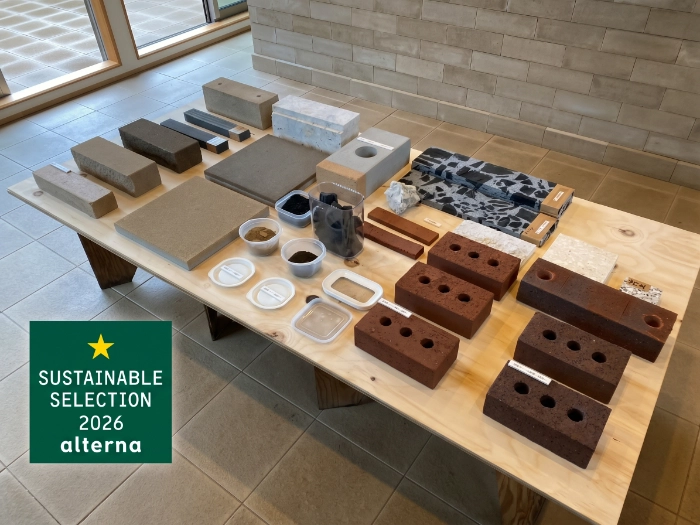
Architects and designers are typically downstream of a traditional construction supply chain, often getting off-the-shelf materials from manufacturer catalogues. On the other hand, regional industries discard usable residues at significant expense. Creative Resource resolves this imbalance by moving architects to the upstream source of the supply chain. For example, in Shizuoka Prefecture, local citrus farmers discard roughly 6,000 tonnes of mandarin orange pruning branches each year through industrial disposal or open-air incineration. This imposes disposal costs on the farmers. Creative Resource goes in, partnering directly with local craftspeople and industrial manufacturers to turn these regional waste flows into standardised, repeatable construction units rather than non-replicable design experiments.
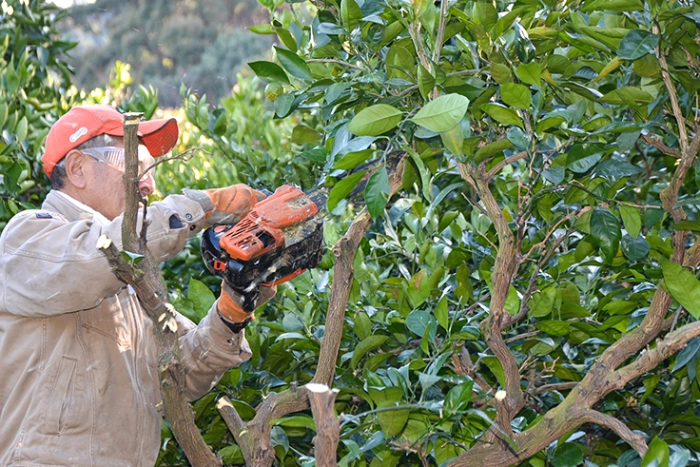
Since 2011, the practice has transformed five discarded materials into functional building elements: volcanic ash from Kagoshima, excavated Kanto loam soil from Tokyo building sites, citrus pruning wood from Shizuoka, rice husks from Akita, and coal ash from thermal power generation. The resulting components then undergo rigorous industrial validation. Bricks made from excavated Tokyo loam achieved a compressive strength of 76.1 newtons per square millimetre under Japanese Industrial Standards testing, well above the 30 newtons per square millimetre requirement for structural bricks. In Kagoshima, pressure-moulded paving blocks made from volcanic ash were deployed in the municipal tram track infrastructure, cutting 123.75 tonnes of carbon dioxide emissions.
The platform shows commercial viability, too. The platform has sustianed for a decade and a half exclusively through architectural design fees and material sales revenues. The firm is currently collaborating with the Tamura Laboratory at Kogakuin University to combine construction excavation soil with power plant coal ash to develop low-carbon structural concrete. At the same time, they are working with major trading firms to register the carbon sequestration of agricultural biochar under national carbon crediting mechanisms.
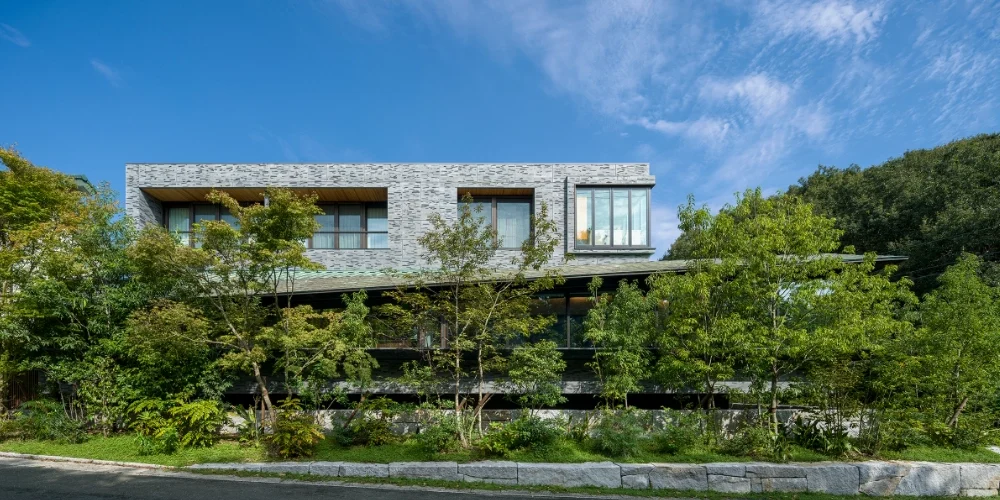
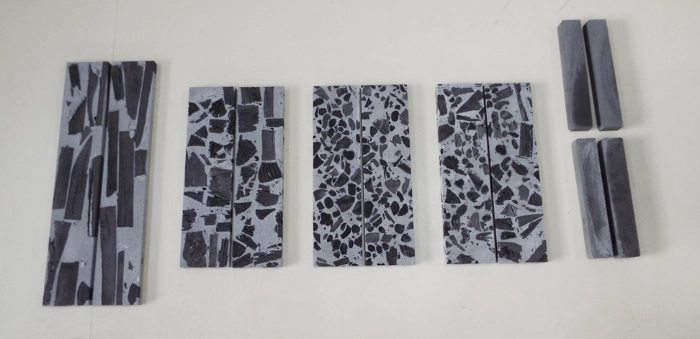
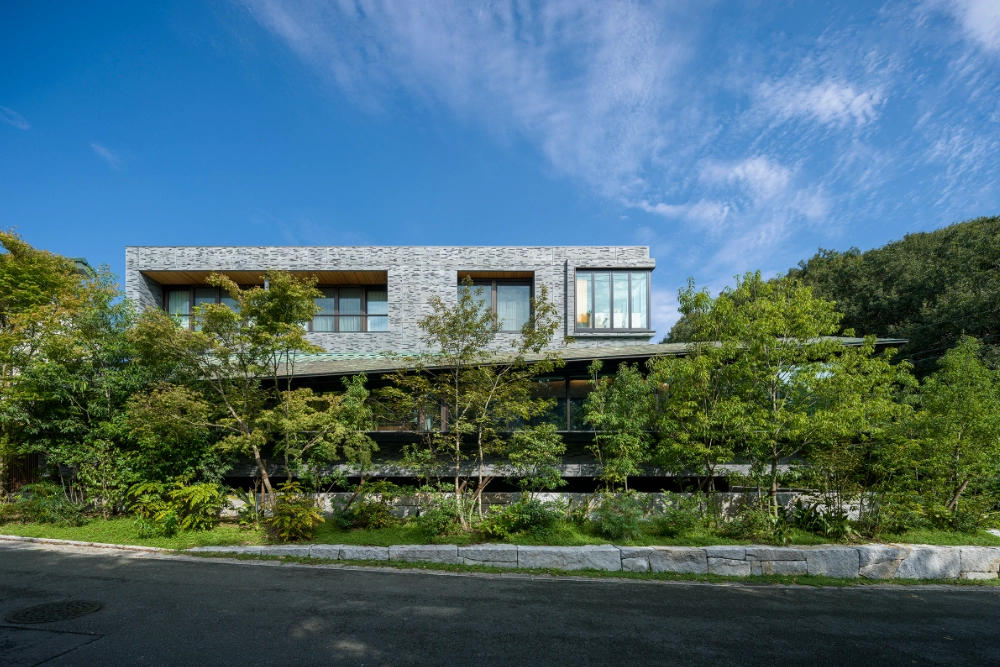
The platform is even able to demonstrate active restoration of local ecological systems. At the BIOCHAR residence completed in January 2024, they used exterior and interior blocks embedded with carbonised mandarin tree branches. The building locks away 59.82 tonnes of carbon dioxide within roughly 21 tonnes of biochar, yielding 5.4 times the carbon storage of an equivalent reinforced concrete dwelling and 1.4 times that of a conventional timber home. Water quality measurements conducted at the property in December 2025 recorded chemical oxygen demand in natural spring water emerging from the improved soil foundations at below 0.5 milligrams per litre, compared to 11.0 milligrams per litre measured along the adjacent lakeshore.
Asei Suzuki, founder and chief executive of ASEI Architectural Design Office, shared: “Regenerating the environment remains a mere slogan unless it is measured. When the technical capacity to make building products, empirical methods of measurement, and an economically viable distribution route come together, the same circular outcome can be reproduced across different regions and materials. Our goal is to create a mechanism that continues to function independently of our presence.”
[Reference] PR Times (Japanese)