 Zenbird Editorial Team
The Japanese organisation Inochi Kaigi has launched a new initiative to promote biodiversity conservation by re-examining the nation’s traditional views on nature. The project is part of its “100 Actions” campaign, aiming to demonstrate how ancient cultural concepts can provide a powerful motivation for contemporary environmental protection efforts.
The project draws inspiratopm directly from the Shinto-based belief in “Yaoyorozu-no-Kami,” or the many gods residing in all natural things, to the modern imperative to protect biodiversity. Inochi Kaigi views nature as a collection of sacred, coexisting entities, aligns closely with the goals of ecosystem preservation.
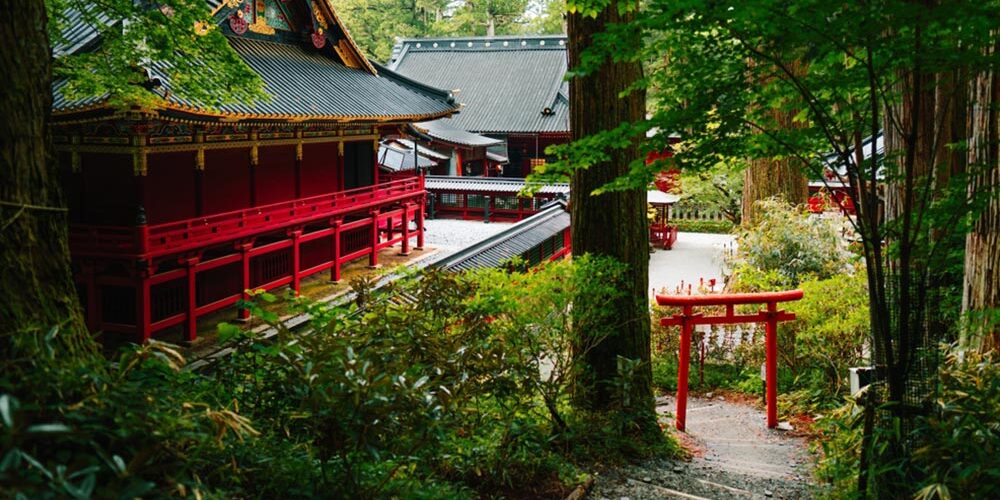
Chinju-no-Mori Community Research Institute is a key partner, providing a practical example of this philosophy in action. In Chichibu, Saitama Prefecture, the institute has worked with local residents on a project that uses revenue from a small-scale hydropower generator to fund the conservation of nearby woodlands. The organisation states that the community’s attachment to local culture and nature, including the sacred Mt. Buko of Chichibu Shrine, is a significant motivation for the conservation work. This project was awarded the Prime Minister’s Award for Merit in the Greening Promotion Movement in 2022.
While culture is not listed among the 17 UN Sustainable Development Goals, Inochi Kaigi believes that it serves as a critical foundation for motivating action on environmental challenges.
By 2030, it aims for the link between biodiversity and traditional culture to be widely recognised, inspiring people to take action in their own communities.