 Zenbird Editorial Team
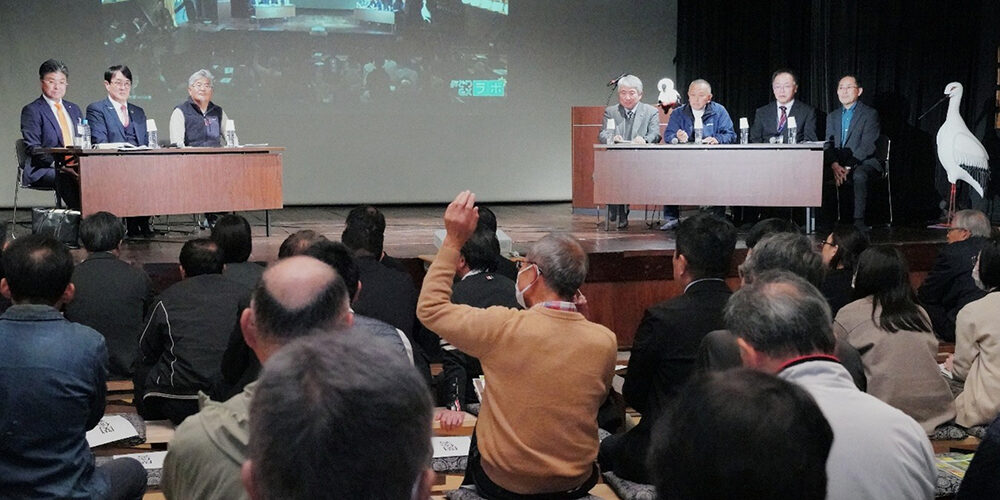
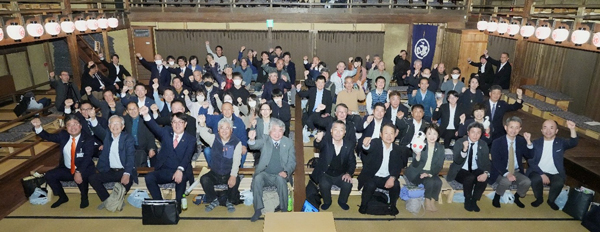
The National Oriental White Stork Summit was convened on 22 November in Toyooka City, Hyogo Prefecture, marking the 20th anniversary of the reintroduction of the Oriental White Stork to the wild in Japan. More than 220 participants, attending both in person and online, witnessed the adoption of a joint declaration aimed at fostering a future where agriculture and biodiversity thrive in unison.
The summit highlighted the critical role of the “Stork-Nurturing Farming Method,” a regenerative agricultural practice pioneered in Toyooka. This method involves significantly reducing or eliminating pesticide use and keeping rice paddies flooded during winter to create a rich habitat for the organisms that storks feed on. It represents a shift from conventional efficiency-first farming to a model that prioritises ecosystem health.
Setsuo Satake, Representative of the Japan Stork Association and a former Toyooka City official, joined Masaaki Yamashita, Senior Managing Director of JA Tajima, to deliver the keynote report titled “20 Years of Life-Nurturing Rice Paddies.” They reflected on the two-decade journey since the first captive-bred storks were released into the wild, a milestone that followed the bird’s extinction in Japan in 1971. There was emphasis on the necessity of economic sustainability for farmers who choose to adopt these labour-intensive, eco-friendly methods.
Yamashita emphasised the necessity of economic sustainability for farmers who choose to adopt these labour-intensive, eco-friendly methods. He noted that creating a market for biodiversity-friendly produce is as vital as the conservation work itself. Yamashita stated that it is important for producers and consumers to become partners and connect the environment to future generations.
Following the keynote, a panel discussion titled “Sustainable Agriculture Connected by Wings” facilitated a cross-regional dialogue, sharing successes in branding eco-friendly rice and introducing it into school lunch programmes, thereby educating local children about biodiversity through their daily meals. It also addressed the pressing challenges facing Japan’s agricultural sector, like increasing difficulties due to the frequent occurrence of pests and diseases caused by climate change, as well as the rapid ageing of the producer population.
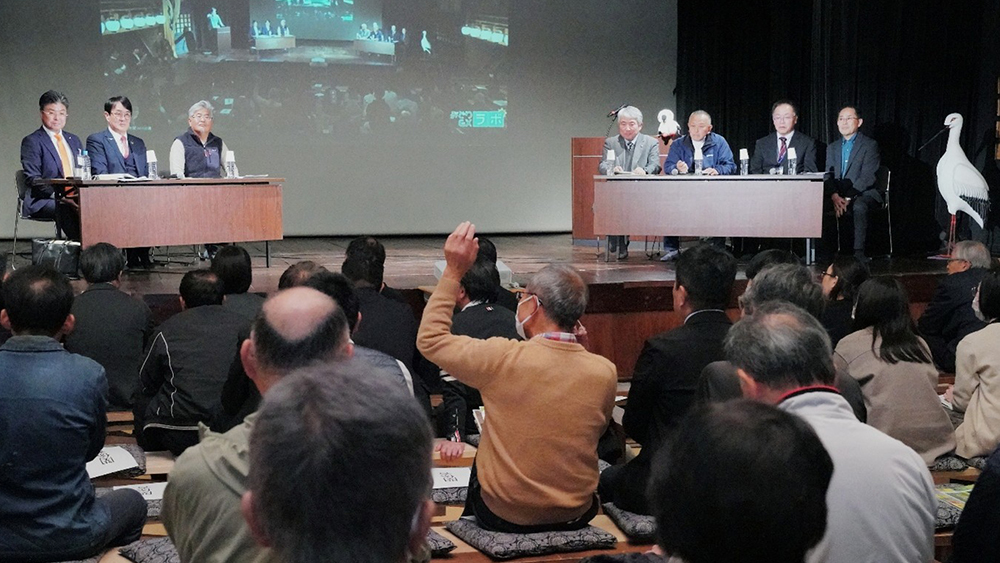
The summit concluded with the unanimous adoption of a joint declaration titled “Sustainable Agriculture Connected by Wings.” The declaration outlines three primary commitments: to promote environmentally friendly agriculture that enhances the sustainability of the global environment, farm management, and local regions; to deepen collaboration and exchange between areas where storks fly and breed; and to promote the development and participation of human resources who will lead the next generation.
[Reference] Japan Agricultural News (Japanese)[Related article] Living with storks in Toyooka in Hyogo, attracting tourism | Zenbird