
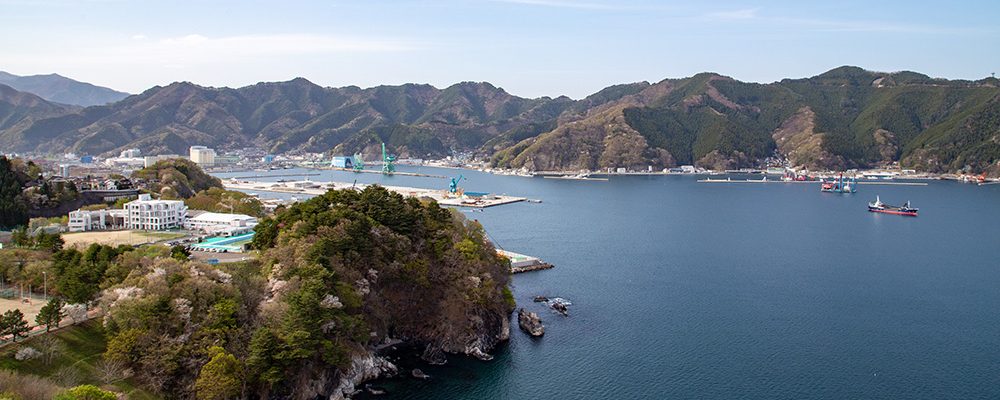
When we talk about East Tohoku, we conjure images of Fukushima’s nuclear plant meltdown and the Great East Japan Earthquake. The events are tragic. However, like the resilient edelweiss, we are beginning to see the undying spirit of East Tohoku.
The team had the opportunity to visit the region, and our eyes turned towards Kamaishi City and Rikuzentakata City. Kamaishi City is a small town of in the southeast region of Iwate Prefecture, forming part of the eastern coast. Even though it was hit by the tsunami in eight years ago, the city is ahead many cities in terms of the Sustainable Development Goals (SDGs)!
Furthermore, we find that the cities are not pursuing sustainability because of the SDGs. Instead, they are in tune with unique local problems, leveraged on existing strengths and found value in sustainability as a solution.
Follow us as we discover four aspects of sustainability from these Tohoku cities, ranging from sustainable tourism to regional revitalization!
Building a sustainable tourism legacy in Kamaishi City
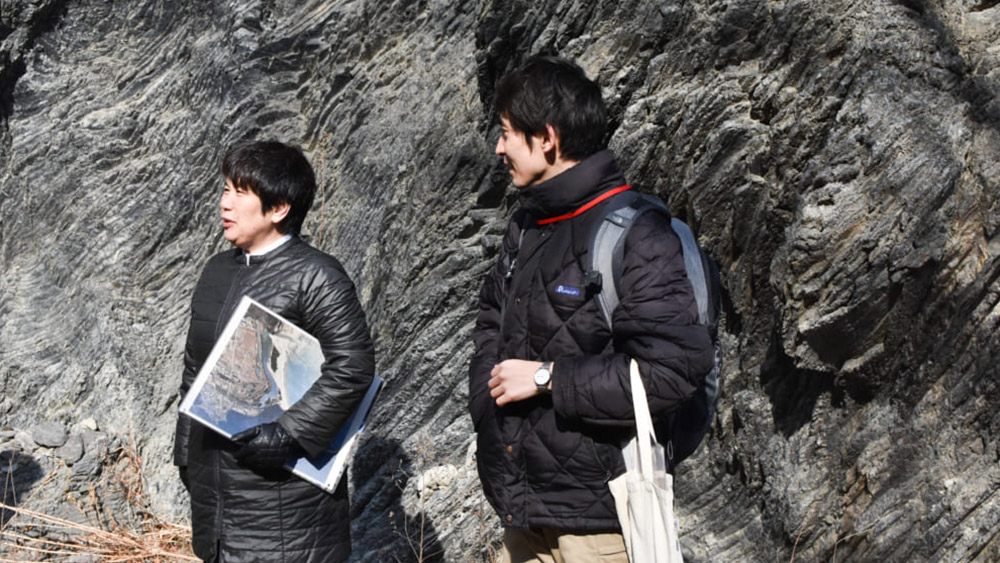
Tourism is one of the big issues, especially for the tsunami hit areas. Of course, Kamaishi City is included. But what’s special about this city is how it goes beyond just tourism. It wants sustainable tourism.
Kamaishi City may only have a small population of 3,500, but it has an abundance in nature. Its coast line features the Sanriku Coast, one of the world’s three best fishing spots. It is also home to both Sanriku Fukko National Parkand Goyozan Prefectural National Park are listed as Prefectural Nature Conservation Areas. Moreover, it is the only city in Tohoku region that will host a venue for the 2019 Rugby World Cup.
Even though Kamaishi City is a winner in the Sustainable Destinations Global Top 100, it has already taken steps towards figuring out the path towards a sustainable tourist city. Find out how as we have a close look at what resources Kamaishi City can tap on. We will also share what we have learnt from three experts sharing their experience on how sustainable tourism can be achieved.
Read more about Kamaishi City path for sustainable tourism
Creating a focal point: a cafe where relationships can be built
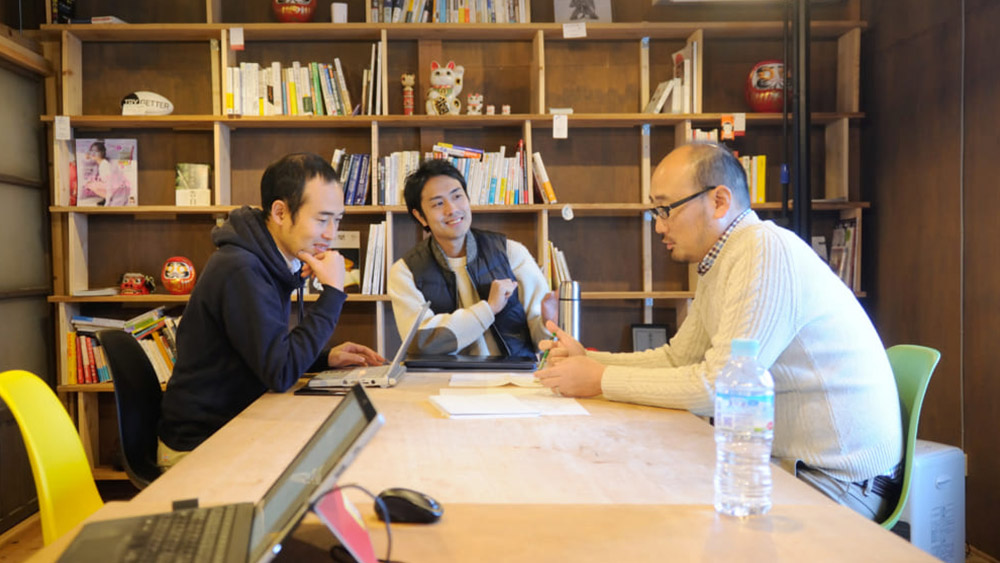
Tourism isn’t the only thing Kamaishi City wants to do. There, a social good company “sofo” pays close attention to the movement of people. It understands that people need a place to gather, be it the locals or visitors to the region.
Their solution? To build a cafe! The sofo cafe was crowdfunded successfully recently, garnering 4.40 million yen from 443 supporters. The three founders of sofo have picked Nakamise street as the focal point for people to gather.
Read more about the concept behind sofo cafe
Work life satisfaction is a key to draw youths to depopulating regions
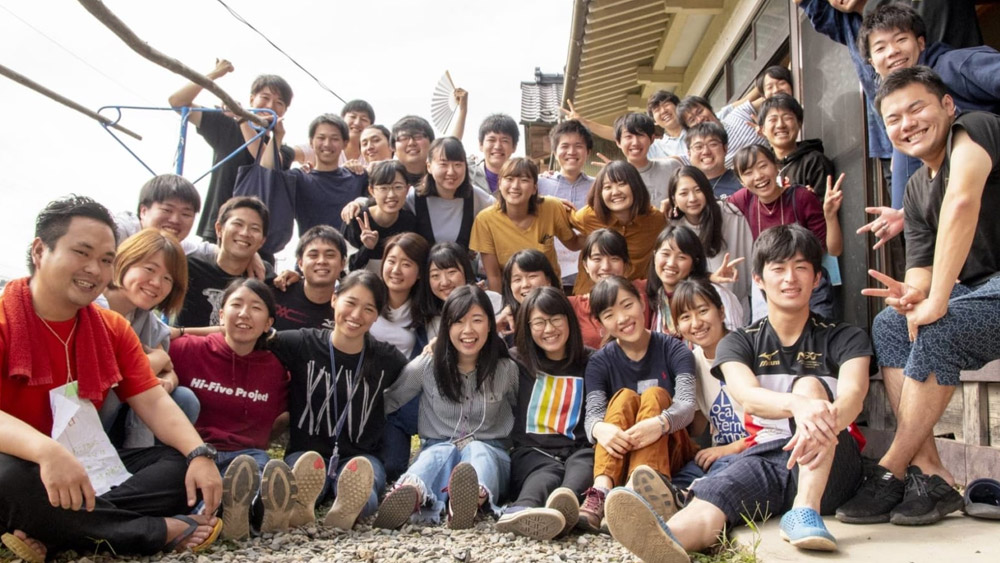
If any place has figured depopulation out, it’s probably Hirota town.
One of the major problems Japan face is the depopulation in the rural areas. There are many reasons for this, though the migration of youths to major cities. Better opportunities, job availability and promise of a better lifestyle are no doubt attractive.
Hirota town has found a way to reverse engineer that, and now youths and young professional are making their way to Hirota town.
Through an interview with Takuya Watanabe, we will learn what roles the NPO “SET” and its Change Maker Study Program play. We will also discover what sustainable businesses are working in Hirota. Most importantly, we will learn what has captured the hearts of youths.
Read more about the youths who are revitalizing Hirota
Taking a page out of Denmark’s Folkehøjskole
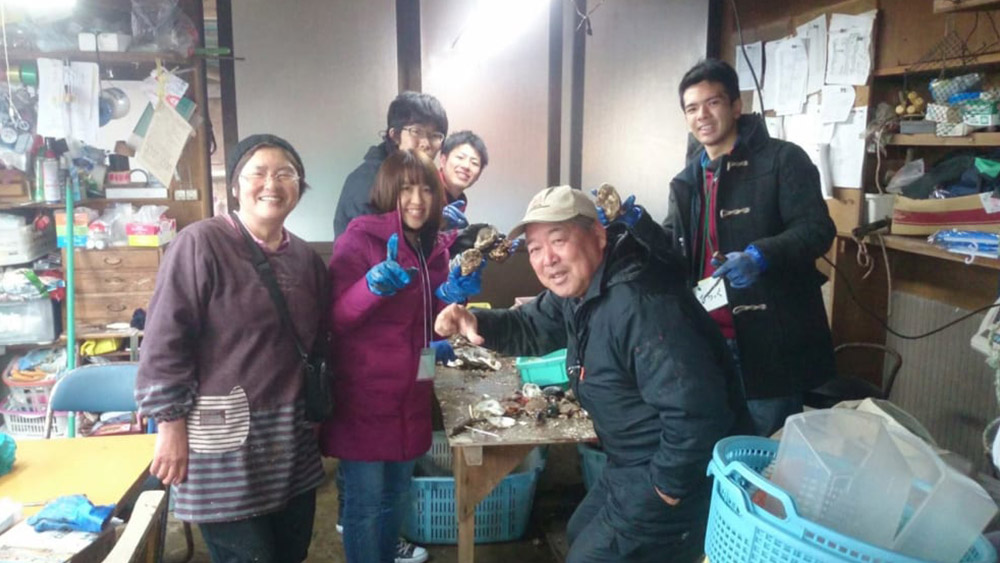
Talking about Change Maker Study Program, we need to introduce the Change Maker College (CMC). CMC is a boarding school where its students and teachers live together in shared houses for 4 months between April to August. The whole of Hirota town becomes a campus for that period.
The CMC adopts the teaching of Folkehøjskole, a Scandinavian education institution, which originally started in Denmark. There are many advantages to Folkehøjskole, one the biggest being anyone can register once they are 17 years old. No restriction on age, nationality or educational background exists.
An essential, perhaps even surprising, aspect of CMC lies not in solving depopulation or attracting youths. The vision is bigger, and that is setting a new mindset for the future.