 Zenbird Editorial Team
Technology firm JOYCLE Inc. has launched a joint research project with Okayama University Hospital to test a new system that processes infectious medical waste on-site, aiming to cut costs, reduce environmental impact and improve disaster resilience.
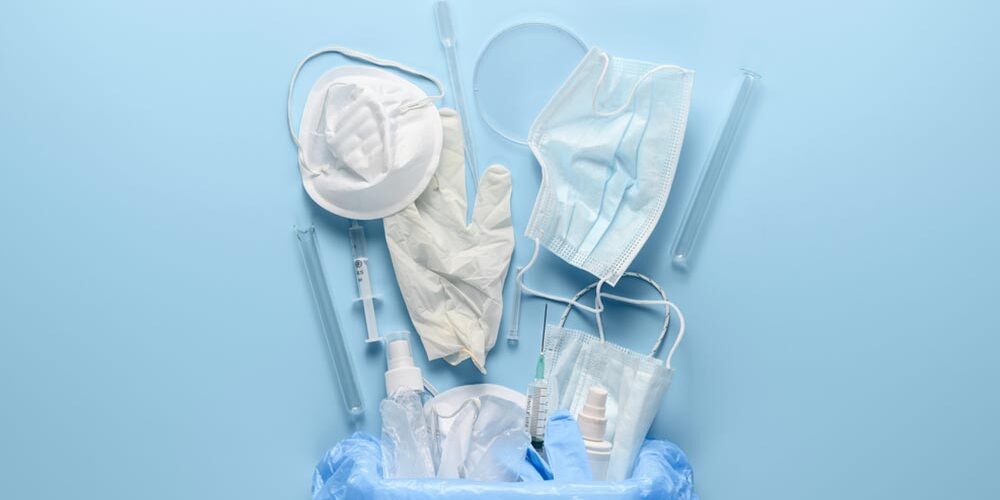
The project will address the significant challenges associated with hospital waste. Medical institutions with over 100 beds can spend tens of millions of yen annually on waste disposal. The current model relies on external transport to incineration plants and landfills, which carries high costs, transport-related risks and a considerable environmental burden. During natural disasters, this system can break down, leading to the accumulation of hazardous waste and increasing the risk of secondary infections.
A compact device called the “JOYCLE BOX” is developed by JOYCLE. The unit will be installed on the grounds of Okayama University Hospital to test its ability to use heat treatment to sterilise, reduce the volume of, and convert infectious waste into a usable resource.
The joint study will verify the technology’s effectiveness in neutralising hazardous materials and assess its potential to function as a decentralised infrastructure for waste management during emergencies. Researchers will also quantify the cost savings achieved through on-site processing and explore the possibility of using heat generated during the process to produce electricity.
JOYCLE plans to establish a business model that could cut waste processing costs by up to 50 per cent. The company intends to partner with regional industrial waste management firms to offer the JOYCLE BOX to hospitals through a monthly rental service. This approach is designed to benefit hospitals by lowering their expenses while also helping waste management companies mitigate their own challenges, such as driver shortages and rising fuel costs. JOYCLE is known for its circular mindset too, and perhaps find a way for JOYCLE BOX to contribute to a circular economy.
[Reference] JOYCLE News (Japanese)