 Zenbird Editorial Team
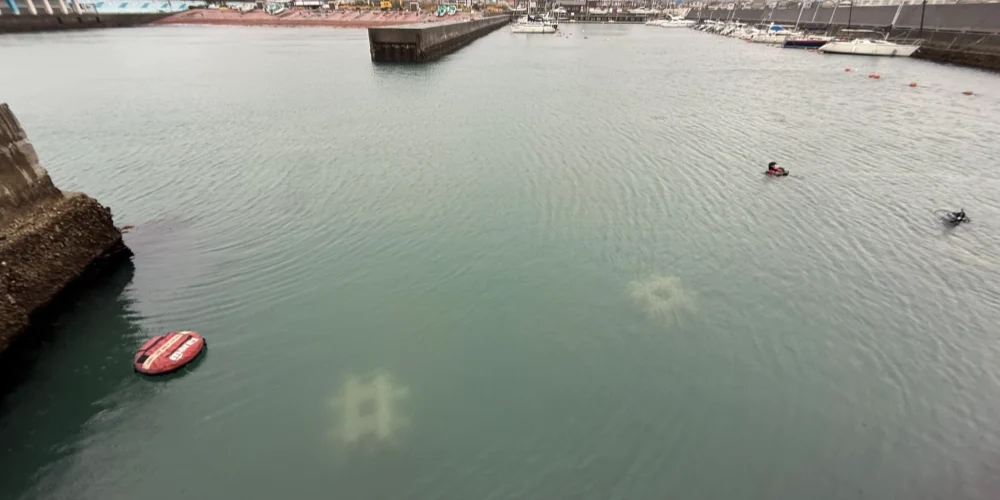
The Environmental Inland Water Resource Institute have installed Organic Blocks at Kamogawa Fisherina in Chiba Prefecture, in efforts to test the effectiveness of these artificial fish reefs made from recycled materials in restoring marine ecosystems. The installation was completed on 25 March.
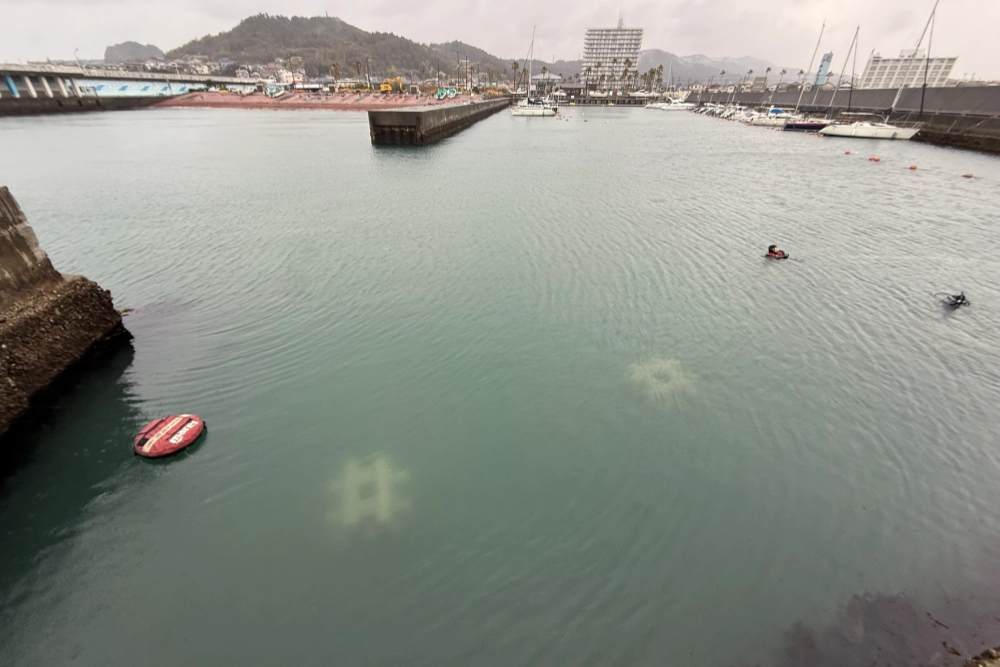
Isoyake, or sea desertification, is a critical issue that Japan faces, with widespread disappearance of seaweed beds along Japanese coastlines, transforming marine nurseries into underwater deserts. Seaweed forests provide essential habitats for young fish and shellfish while serving as vital carbon sinks, known as blue carbon. However, the institute estimates approximately 80 per cent of prefectures in Japan report a decline in these seaweed beds.
Unlike conventional concrete reefs, Organic Blocks is made of recycled organic components and recycled soil. The design features specific textures and structures that facilitate the attachment of microbes and seaweed. The blocks use minimal cement and are designed to decompose gradually over time, eventually returning to the natural cycle as sand and inorganic nutrients. This approach ensures that the structures do not remain as permanent waste once their primary function is complete.
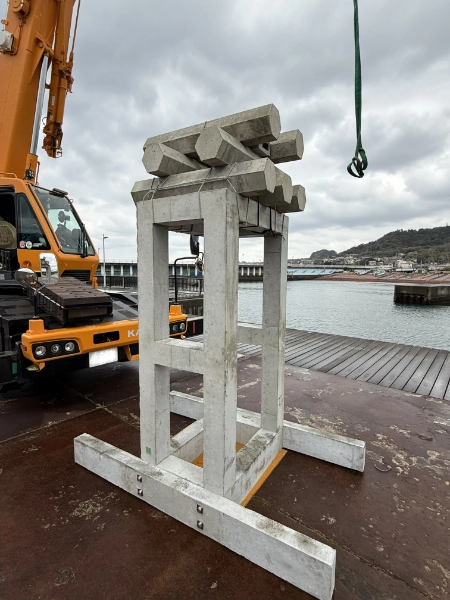
Previous trials conducted at Sakata Port in Yamagata Prefecture provide evidence of the material’s efficacy. Algae and barnacles attached to the blocks within two months of installation. By the following year, naturally settled oysters reached sizes of approximately 80 millimetres. The site also attracted various fish species, including black sea bream, striped beakperch, and horse mackerel. After approximately two and a half years, the Sakata Port site now features dense seaweed growth.
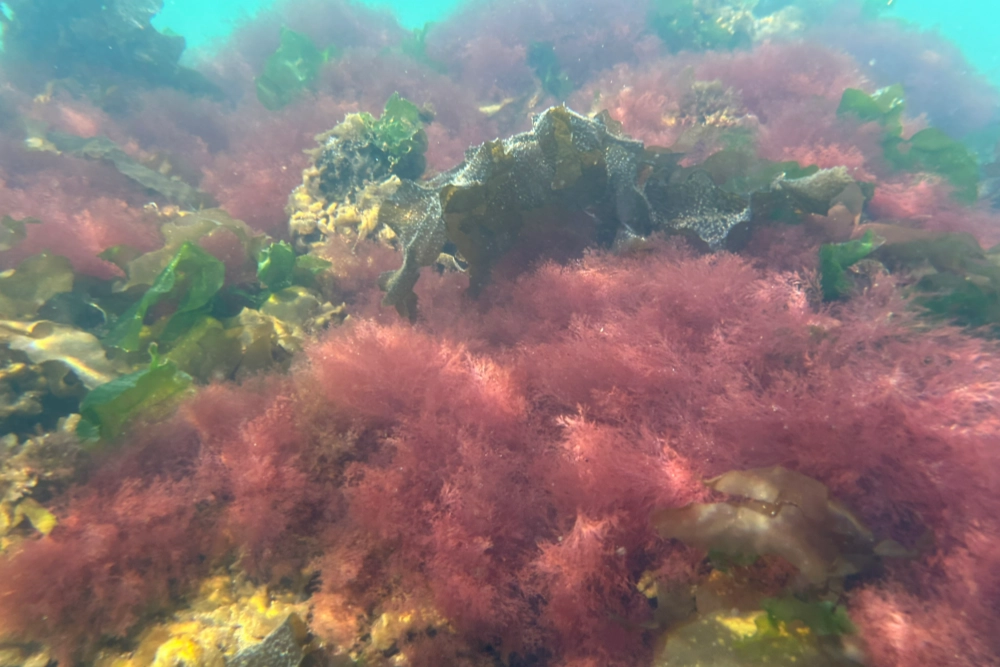
Researchers will monitor the speed and variety of species colonisation, the attraction of fish, and the potential for increasing populations of bigfin reef squid, which prey on fish that consume seaweed. The study also evaluates the decomposition rate of the blocks and the overall validity of this ecosystem recovery model. The institute intends to expand this regenerative model to other coastal facilities in Japan and overseas, utilising locally sourced materials for marine conservation.
[Reference] PR Times (Japanese)