 Zenbird Editorial Team
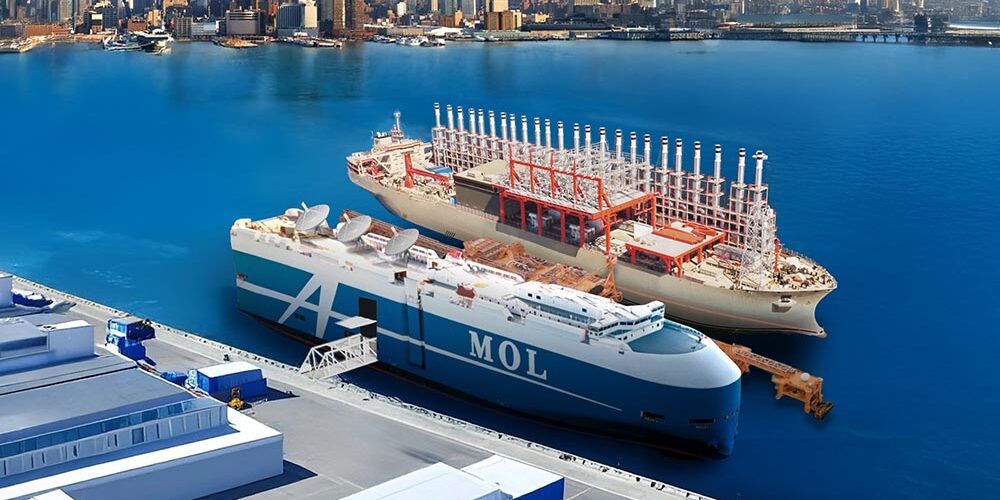
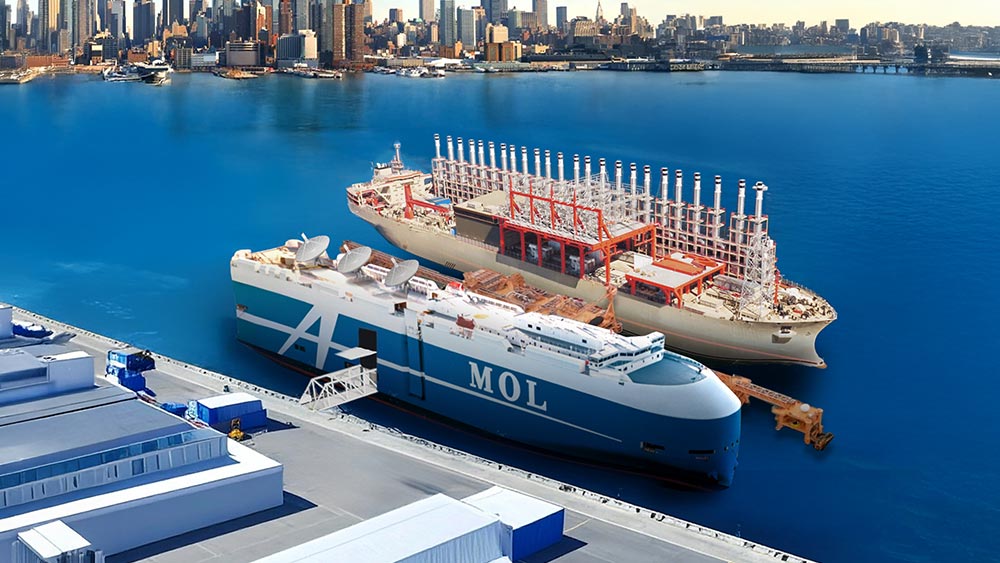
Mitsui O.S.K. Lines, Ltd. (MOL) has announced the signing of a Memorandum of Understanding with Kinetics technologies holdings limited, a subsidiary of Karadeniz Holding, to jointly develop the world’s first floating data centre powered by a powership.
The partnership intends to establish a world-first business model to meet the soaring data processing needs driven by the proliferation of generative AI. The surge in demand has exposed significant constraints for traditional land-based data centres, including power and land shortages in urban areas and a lack of water for cooling systems.
This integrated model proposes to resolve these resource shortages by constructing a floating data centre from a repurposed second-hand MOL vessel, which will receive its electricity from a powership operated by Karadeniz. This approach will create new digital infrastructure that is essential for the AI era, capable of being deployed rapidly and independent of strained local power grids. In some regions, such as the United States, data centre projects can face delays of over five years due to insufficient grid capacity.
A key advantage of the floating model is the significant reduction in development time. The conversion of an existing vessel into a data centre is estimated to take around one year, potentially shortening the overall development timeline by up to three years compared to a conventional land-based facility. Furthermore, the floating nature of the asset means it does not require large-scale land acquisition and can be relocated to meet changing demand.
The deverlopment also involves utilising an existing ship hull to reduce the environmental load associated with the extraction and processing of raw materials for new construction. This approach is expected to lower both initial investment and operational costs. Existing ship systems like air conditioning and generators can be leveraged, and a seawater-based cooling system offers high energy efficiency, reducing the power required to cool the servers. A repurposed car carrier, for example, could offer a floor area of approximately 54,000 square metres, comparable to Japan’s largest land-based data centres.
With the MOU now in place, the partners will proceed with technical verification, including an evaluation of the integrated concept design. The project is targeting an operational start date in 2027.
[Reference] MOL Press Release (Japanese)