 Zenbird Editorial Team
The Ministry of the Environment of Japan announced the winners of the PlasMa Award 2026 (not to be confused with the word “plasma”) on 30 January, highlighting innovative efforts to combat the global marine plastic waste crisis. The award ceremony was held on 4 February at the Ministry of the Environment’s headquarters in Tokyo. It is part of the ministry’s “Plastic Smart” campaign, which advocates for a “wise relationship with plastic” by promoting sustainable management and resource circulation.
The ministry established the PlasMa Award to identify and honour exceptional initiatives that address plastic pollution. It aims to foster the creation and expansion of effective circular economy models throughout Japan. The 2026 awards recognise achievements across five distinct categories: Picking up, Sorting and Returning, Spreading, Making, and Using and Reducing.
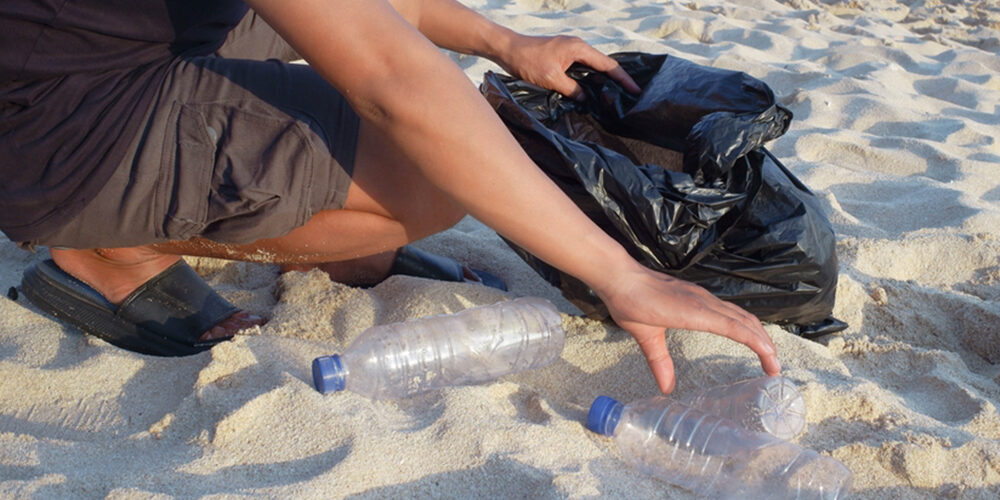
In the “Picking up” category, the Gold Award was presented to Idemitsu Kosan and Munakata City for their collaborative beach cleaning and recycling project. They convert marine plastic waste collected from Munakata’s shores into oil, demonstrating a viable pathway for chemical recycling. The “Making” category, which focuses on material innovation, saw LIXIL Corporation take the Gold Award for “Revia,” a circular material that fuses waste wood with almost all types of waste plastic, including complex composites.
The award also recognised educational and behavioural shifts. Watarai Town received the Gold Award in the “Sorting and Returning” category for its “Resource Waste Sorting Meister System,” which uses environmental education for primary school students to influence the recycling habits of entire households. In the “Spreading” category, Shizuoka City and BANDAI SPIRITS were honoured for their “Zero Emission” educational package, which uses plastic models made from recycled marine plastic to teach students about environmental issues.
In the “Using and Reducing” category, Mizuno Corporation secured the Gold Award for developing biodegradable artificial turf and infill materials. Made from 100% biomass, these materials are designed to decompose in soil, rivers, and marine environments, offering a solution to microplastic runoff from sports facilities.
[Reference] Ministry of the Environment Press Announcements (Japanese)