 IDEAS FOR GOOD
With traditional wooden gates lining the streets and the famous mist of Tamba settling in from late autumn through early spring, Kameoka offers a daily landscape shaped by nature and time. That mist nourishes the land, helping local vegetables grow especially flavourful. Time moves slowly here, and life follows a rhythm attuned to the land. Within that quiet pace lingers a deep respect for natural cycles and the sensibilities passed down through generations.
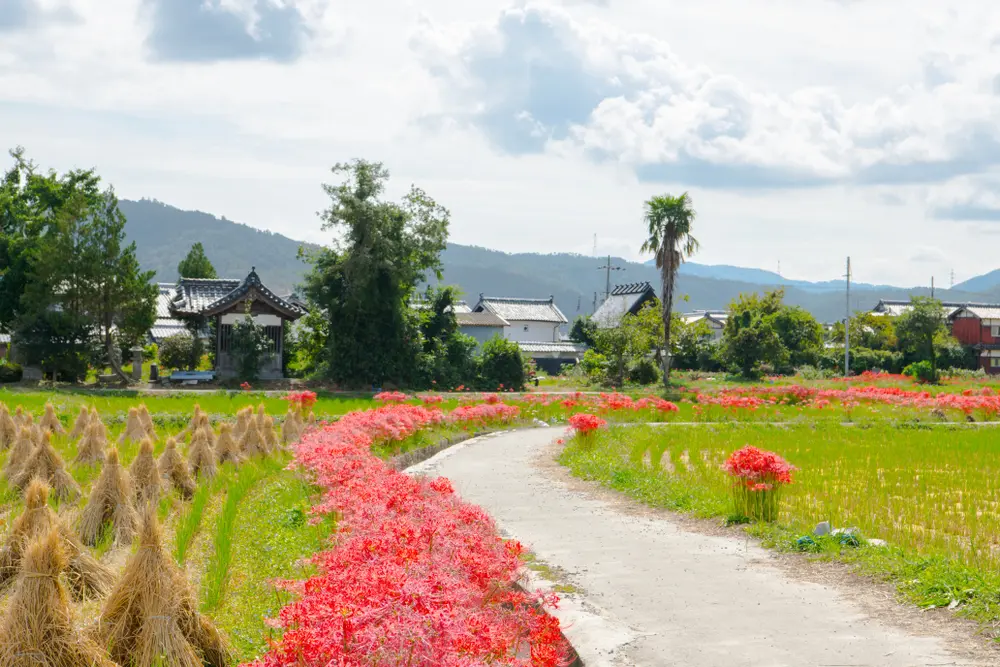
Following part one’s deep dive into Kameoka’s pioneering environmental efforts, we continue in this report to explore how history and tradition help shape a local model for a circular economy. Over the course of the two-day tour co-hosted by IDEAS FOR GOOD and Gomi no Gakkō, we examined the enduring ways in which Kameoka’s people have long lived in harmony with their environment.
Guiding us in this leg of the tour were Aki Tanaka, director of the Natural Whetstone and Hone Museum, and Anna Namikawa, a local coordinator and native of Kameoka. Rooted in their community, both women invited us to reflect on how looking back can guide us forward.
Circular wisdom from a resource-scarce past
The land beneath Kameoka has a long memory. Whetstones, long used for sharpening tools, can be traced back to sediments formed some 200 million years ago when mud and iron settled on the ocean floor and later surfaced through tectonic movement. These stones have become a part of the area’s long-standing connection to craftsmanship.
It is Aki Tanaka, director of the Natural Whetstone and Hone Museum established seven years ago in Kameoka, who sees these whetstones as a clue to understanding local circularity. As we sat before the rows of stones in the museum, she posed a question to us: “What examples of circular practices existed in Japan in the past? And how do they differ from today’s approaches?”
Tanaka: “In the past, people practiced small-scale, local forms of circular living, For example, human waste was reused as fertiliser for crops, and bamboo (which was easily available) was crafted into everyday items. Today, when we hear terms like ‘circular economy’ or ‘circularity,’ many people might think of initiatives such as plastic recycling or nappy recycling projects like the one in Kameoka, where materials are processed and reused.
“With advances in technology and society’s preference for new products, modern circular systems now tend to operate on a much larger scale.”
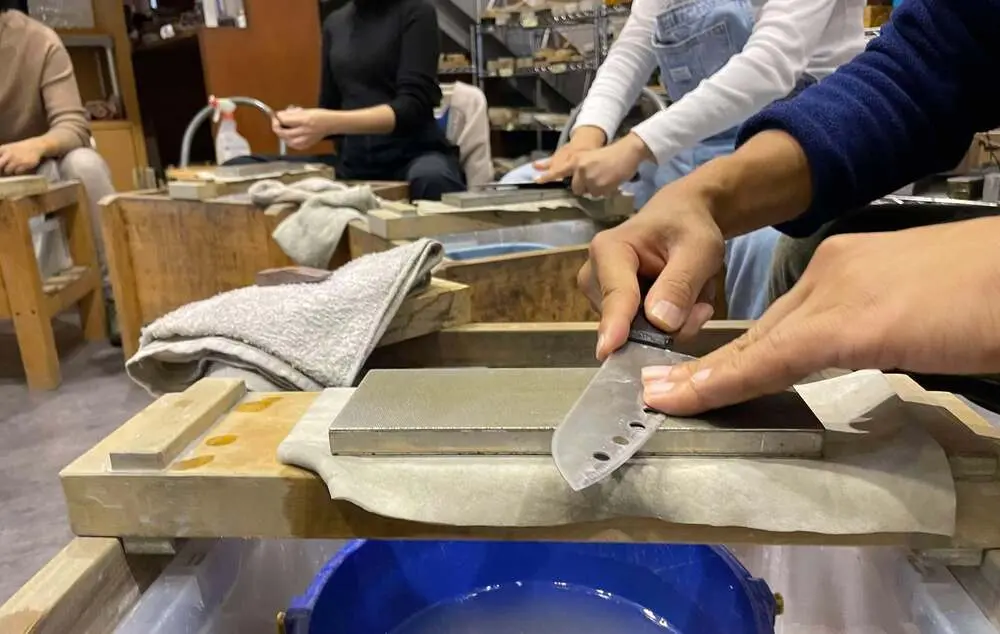
Historically, Japan lacked abundant natural resources. People therefore lived by cherishing and reusing what was already available. It is from this mindset that some of Japan’s most iconic cultural achievements emerged, such as the traditional katana, the Japanese sword.
Tanaka: “A Japanese sword is made from tamahagane, a steel created by alternating layers of iron sand and charcoal every 30 minutes, continuously for three days and nights. It’s an exhausting process, carried out without rest, but the result is a pure metal with few impurities, producing a sharp, durable blade that’s easy to sharpen and built to last.
“As the need for swords declined with the arrival of peace in the Edo period, those forging techniques were redirected into making Japanese kitchen knives. These knives are strong, and by simply replacing the handle, they can be used for many years. Today, they’re highly valued around the world.
“In those times, when resources were scarce and waste was minimal, people’s ingenuity were born out of necessity and led to the advancement of techniques, the creation of culture, and ultimately, the circular way of living that defined their communities.”
Preserving nature’s bounty through food
The art of Japanese cuisine has long embraced seasonality and respect for ingredients. The tradition of Japanese knives dates back to the Nara period, when a ceremonial method known as hōchō-shiki involved offering fish to the gods, expertly filleted using slender, sword-like knives. It was not just ritual, but was also it was an expression of deep reverence for life and sustenance.
Tanaka: “In the past, people paid great attention to making the most of seasonal blessings. Today, we still talk about hōchō-nin (knife masters), and a good blade is seen as a reflection of a chef’s skill. Keeping knives sharp and free from rust was, and still is, essential to drawing out the best in ingredients.”
This culture gave rise to the expressions itadakimasu, gochisōsama, and mottainai, with the former two spoken before and after each meal respectively. The latter, often considered rooted in the Buddhist term mottai, speaks to the idea that it is regrettable to let anything go to waste, whether a usable item or a person’s untapped potential.
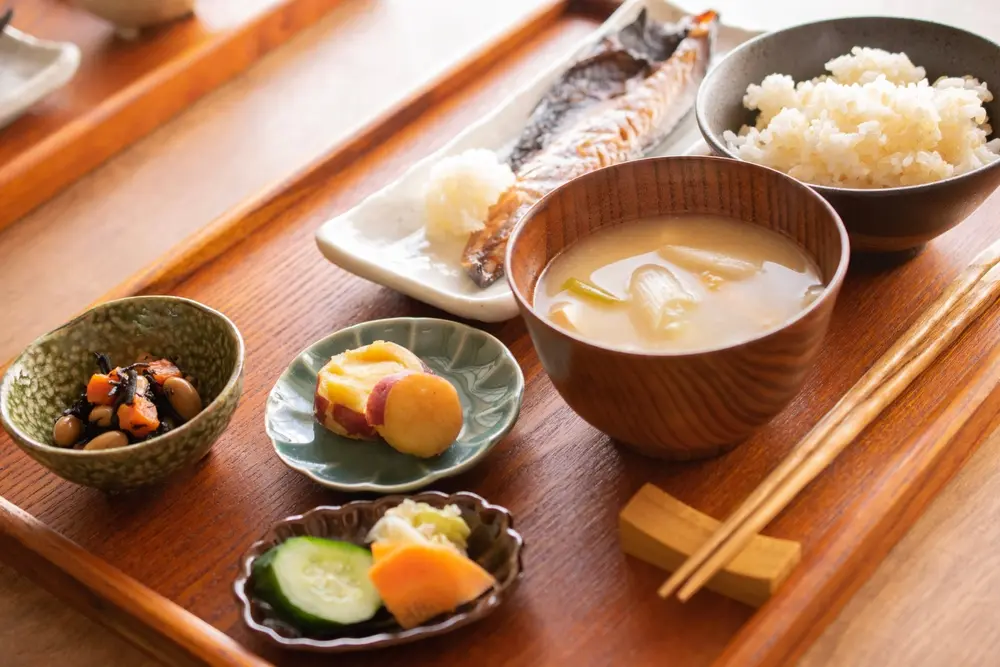
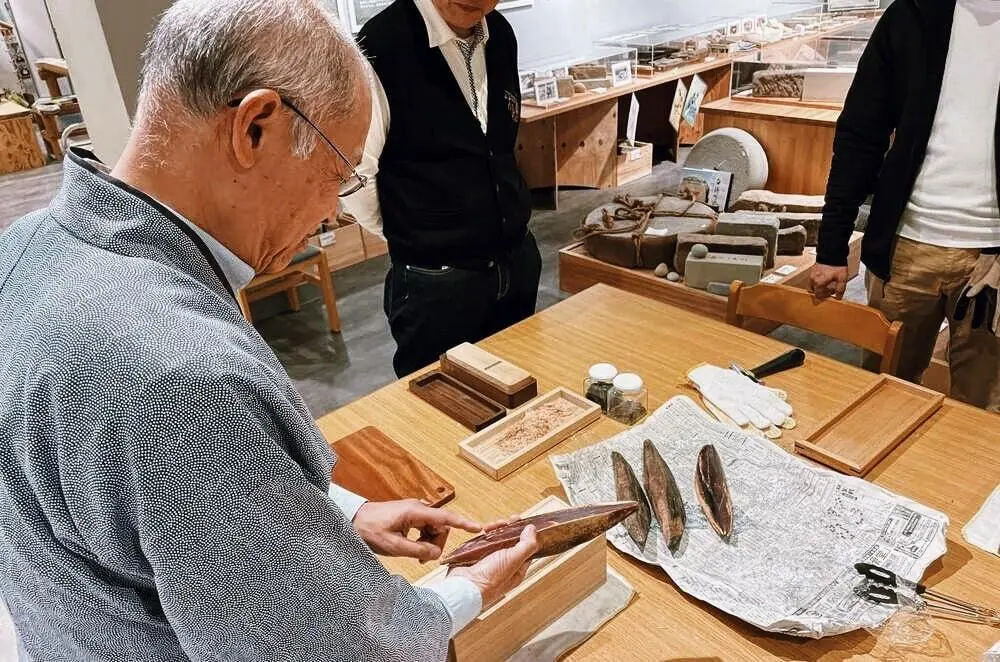
Tanaka also shared how, with limited resources, Japan developed ingenious ways to store food. In winter, people preserved ingredients for the months ahead through drying, fermenting, and salting. Katsuobushi (fermented, smoked bonito flakes), perhaps Japan’s ultimate preserved food, dates back to the Kofun period and evolved through the centuries to become a foundational flavour in Japanese cooking.
Tanaka: “These preservation techniques were never just about reducing waste. They enriched our food culture and shaped how we live. As we think about today’s circular economy, I believe there’s real value in revisiting these organically developed, nature-rooted traditions.”
Sharpening blades, sharpening ourselves
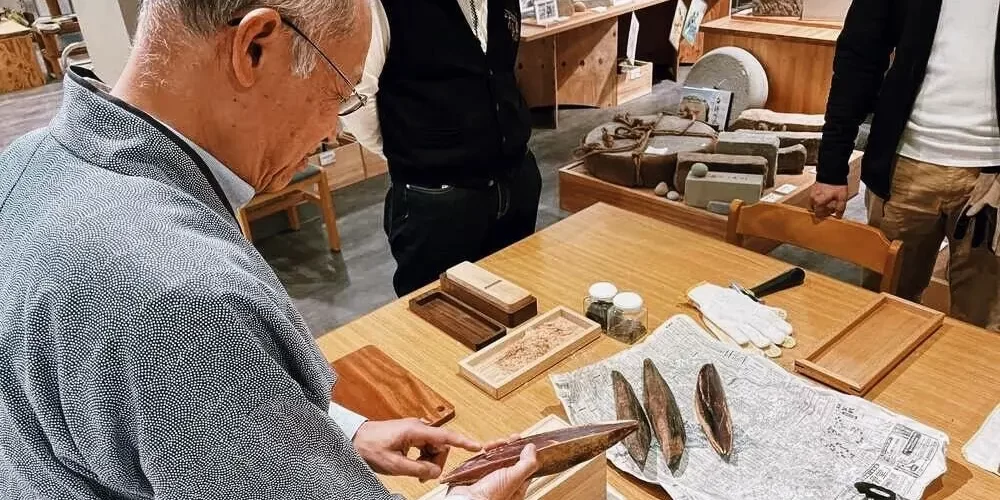
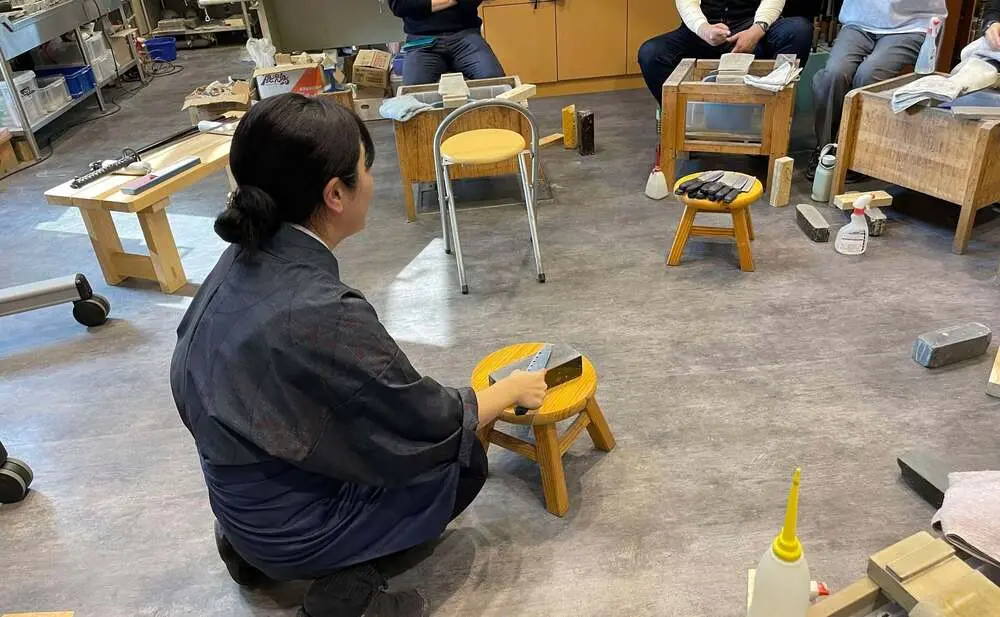
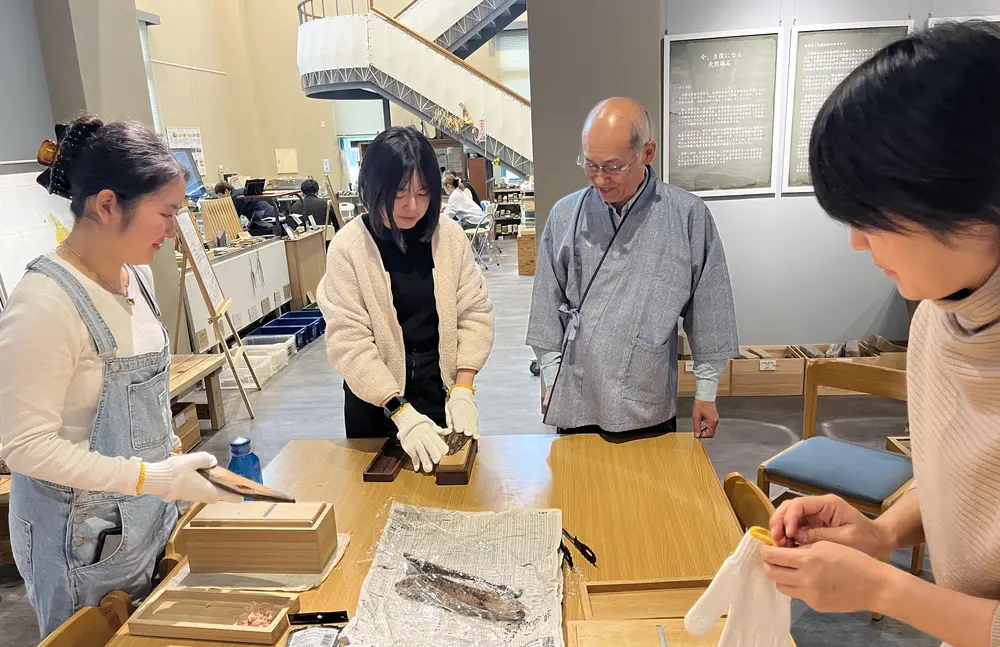
During our visit, we had the chance to sharpen kitchen knives, shave katsuobushi using a traditional katsuobushi shaver, and make dashi from scratch. The experience felt like stepping back in time, offering a glimpse into a culture passed down through generations. By immersing ourselves in these long-standing traditions, we came to appreciate the quiet beauty and enduring wisdom they hold. After making the dashi, participants shared their reflections:
“I’d never really maintained tools before. I used to approach life purely rationally. But now I see the value of slowing down and designing things with more intention.”
“Focusing on sharpening the blade was meditative. It took time, but like tidying a room, it cleared my head. I think it might even help my concentration in other tasks.”
“I used to think about buying a new knife, but now I want to use the one my grandmother passed down.”
“There’s something joyful about the act of sharpening. The circular economy shouldn’t be about what we must do, but what we get to enjoy.”
For the workshop, we used inexpensive knives from a 100-yen shop. Even so, with careful attention and the right whetstones, their blades were visibly transformed to become straighter, and more refined. But more than that, the act of sharpening seemed to awaken something within.
People spoke of reconnecting with old tools, rediscovering mindfulness, and a deeper connection to the act of cooking. Knife sharpening had become a pathway for caring for tools, for self, and for others.
Clues beneath our feet
From preserved foods to centuries-old craftsmanship, Japanese culture developed through scarcity, finding value in using every part of a resource. These necessary practices naturally fostered community, local trade, and cultural richness.
Anna Namikawa, who leads the organisation Fogin, believes these traditions offer guidance for today’s urban planning. In spring 2025, she plans to open River! River! River!, a hybrid lodging-and-retail concept that offers immersive, locally grounded experiences in Kameoka. Through events, tours, and locally developed products, she shares Kameoka’s unique story with new audiences.
While exploring her hometown, Namikawa began to question the narrative that “there’s nothing in Kameoka.”
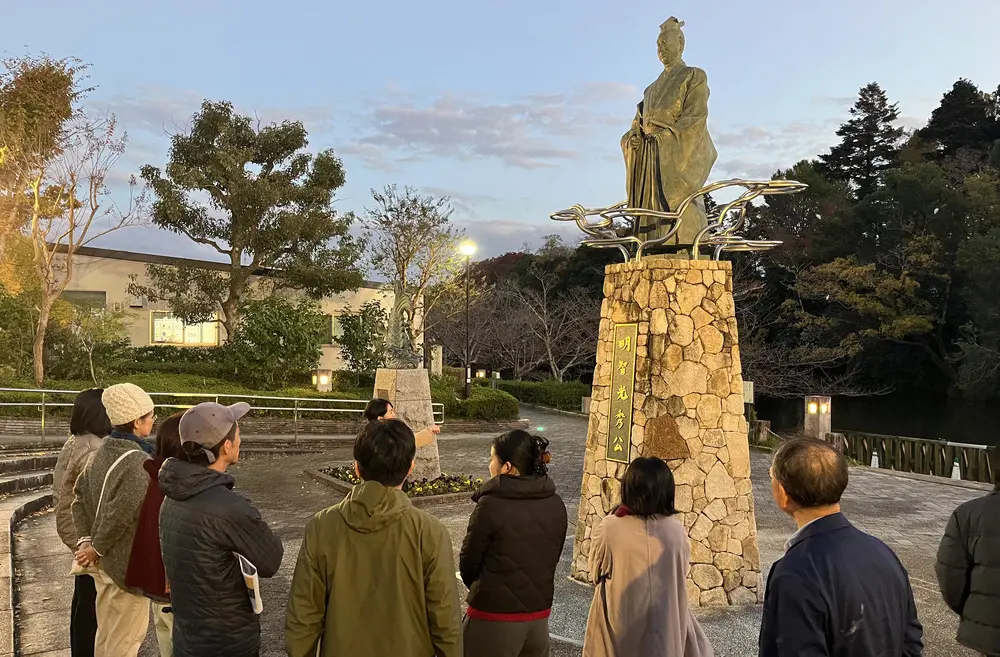
Namikawa: “That made me want to find out what really makes Kameoka special. I started looking into its history and culture: what kinds of trees grow here, what crops thrive in the soil. I realised how much of our identity comes from geography and climate. That’s the foundation of everything: community, culture, even economy.”
She led us along the riverbanks of Kameoka, pointing out how the morning’s dense fog nourishes the local produce and contributes to the high quality of local textiles.
Namikawa: “Everything is connected. You start to see that when you pay attention to the everyday.”
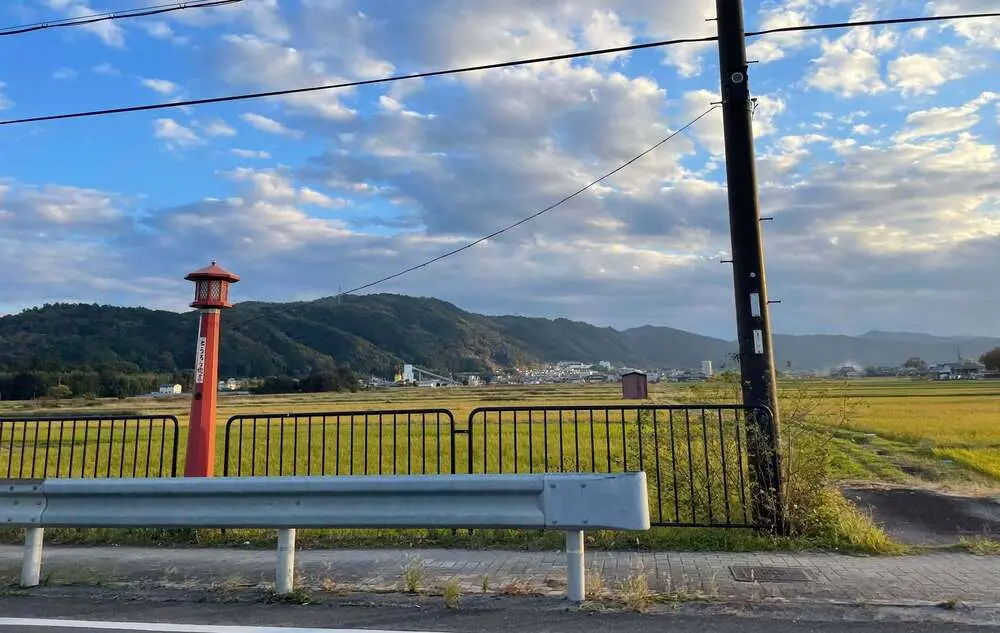
Building futures on local foundations
Namikawa is now working on urban design grounded in natural landscapes like river basins and mountain valleys. One area of focus is Ryūiki Chisui, a modern approach to flood prevention that works with the natural terrain, such as creating retention basins rather than relying solely on raising embankments. As she explains, recognising the local identity and landscape is key to creating resilient, future-ready communities.
Namikawa: “Meeting people in Kameoka helped me realise how much history and geography shape the identity of a place. I want to keep sharing what I’ve learned, so others can reconnect with their local roots, too.”
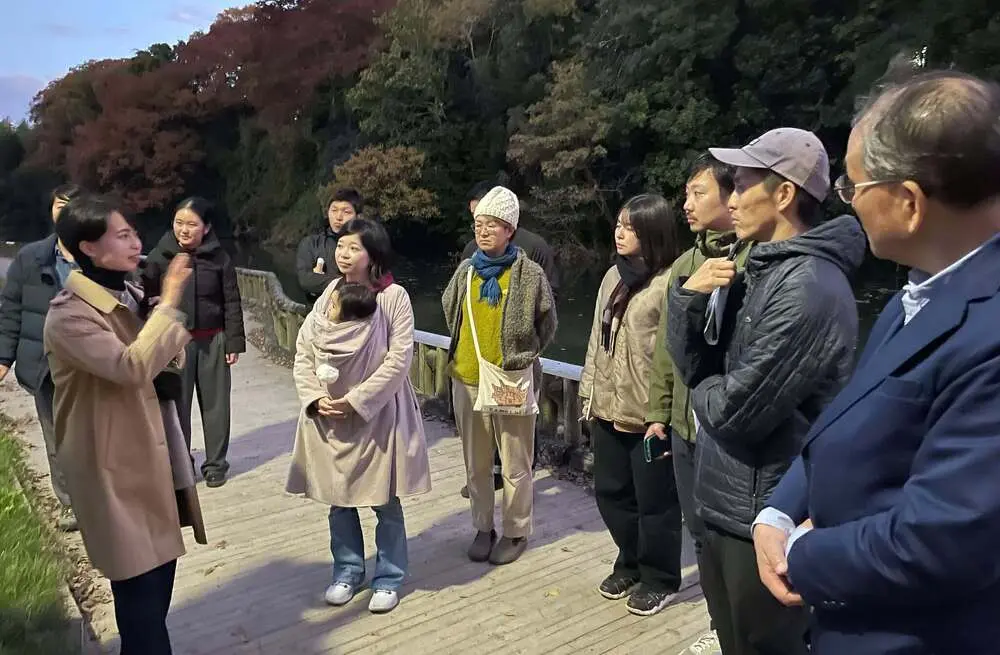
From the past to the future
Two women, two paths, one town. Though their methods differ, both Tanaka and Namikawa are working to enrich their community by looking to the past. Their stories remind us that cultural and environmental sustainability don’t have to be goals in themselves. They can be outcomes, the natural result of people living with care and intention.
As Tanaka puts it: “Even without setting out to build a circular economy, the way people once lived has naturally given rise to culture, refined technique, and enriched daily life.”
In other words, culture flows from action. Innovation grows from need. And maybe, just maybe, building the world we want to live in may mean asking not “What must we fix?” but “What do we want to create?”
And that’s where the real excitement begins.
Original article written by Tomoko Ito, published on IDEAS FOR GOOD.
Translated by Zenbird Editorial Team.
[Reference] Natural Whetstone and Hone Museum
[Reference] River! River! River!