 Zenbird Editorial Team
DAM IN Shogawa, a four-day pilot programme, will be held across two weekends in November 2026 at the Komaki Dam in Toyama Prefecture. It is a tourism initiative that tests a new model of “local and infrastructure tourism”, integrating infrastructure tourism with the culinary traditions, artisan craft industries and natural ecology of the Shogawa River basin.
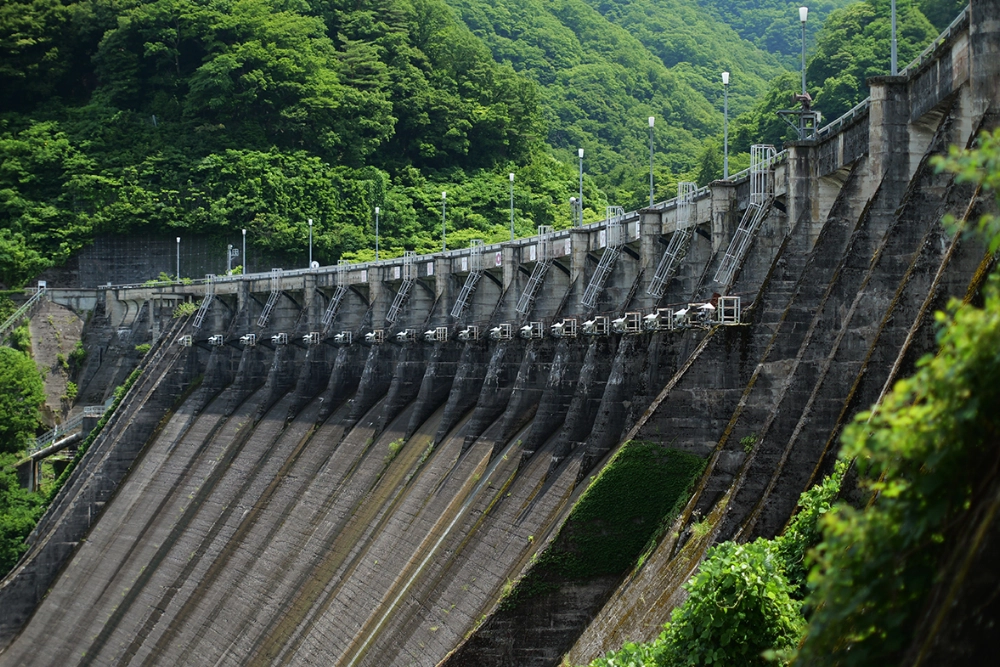
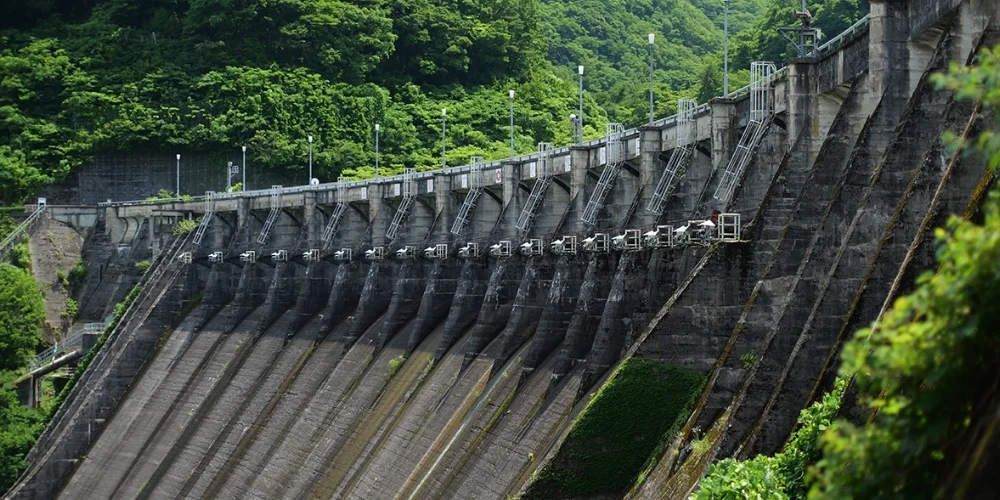
Komaki Dam was once heralded as the “Orient’s greatest dam.” The concrete structure has generated hydroelectric power for nearly a century, and defined the surrounding landscape of western Toyama. Water gathered from regional snowmelt turn turbines, while also descending into the Tonami Plain to irrigate rice paddies, sustain traditional woodworking and lacquerware hubs, and support dispersed homestead settlements known as sankyo-son. DAM IN Shogawa sees this hydrological flow as a unified narrative, guiding participants to experience the link between energy production and daily basin livelihood.
The project features four cultural experiences conceived by architects, chefs and artists. On the water, an excursion vessel operates along a non-standard route above the dam. It will broadcast site-specific soundscapes composed by musician Koji Itoyama from recordings of river currents and plant machinery, alongside aromatic essences from local forests and sake aged directly inside the dam structure.

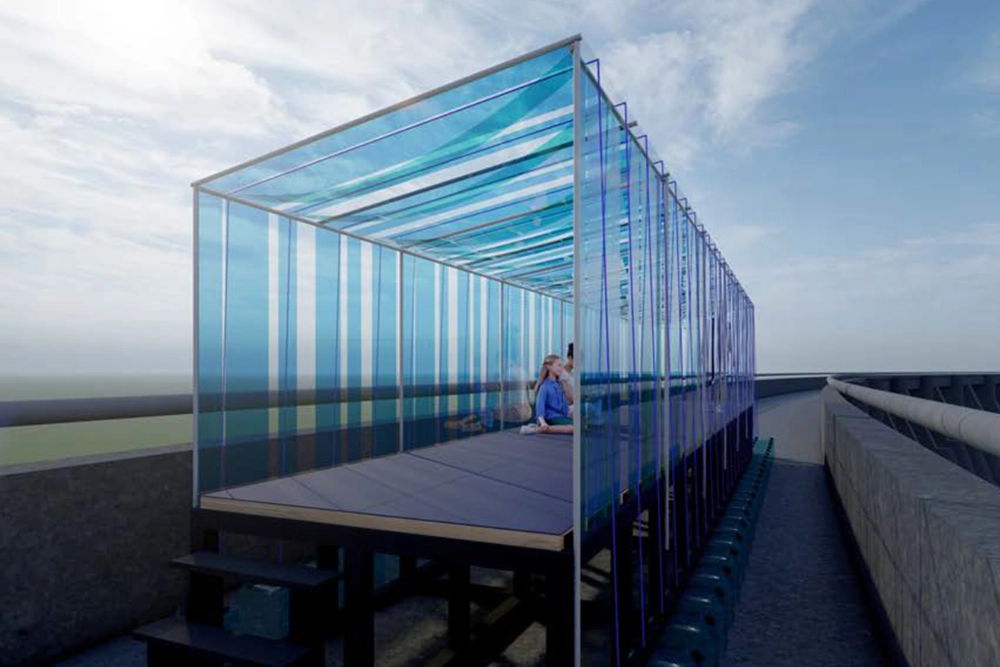
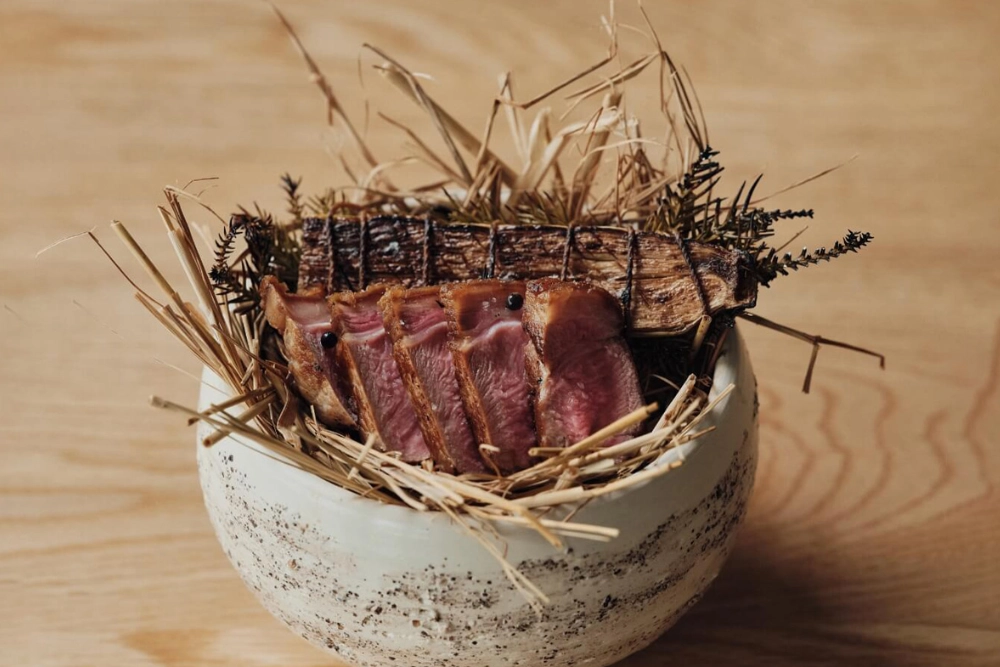
Atop the dam crest, culinary artist Satoko Kobiyama of YAMA FOODS presents a minimalist tea ceremony in an open-air installation, pairing spring water with confectionery, served on Toyama glassware and lathe-turned woodwork. Downstream, architect Hajime Yoshida has designed a temporary pavilion for “Toyama Hundred-Year Dining,” where chef Yuta Hamada of local restaurant Nei prepares multi-course meals using regional fermentation traditions and seasonal produce.
The itinerary will also incorporate craft workshops led by Tonami sashimono joinery artisans and Takaoka metal finishers operating from custom street stalls designed by TAIYA director Takanori Shimotera.
The initiative developed from Kansai Electric Power’s civil engineering co-creation programme, KANDEN DOKEN SOCIAL-DRIVEN, as a regional revitalisation initiative. The trial serves as a feasibility assessment ahead of planned commercialisation in 2027, with Kansai Electric Power intending to apply the methodology to other hydroelectric facilities and utility assets across Japan.
[Reference] PR Times (Japanese)