 Zenbird Editorial Team
The Tadaima Food Project, a resource-circulation initiative that converts organic waste into agricultural compost and fertiliser originates from activities in Kagoshima Prefecture. It aims to connect farmers, resource-recovery businesses, researchers, local governments and consumers to restore a cycle linking food, organic resources and farming.
Japan depends on overseas imports for nearly 100 percent of certain fertiliser raw materials, and surging global fertiliser costs since 2022 have weighed on farm management. Meanwhile, large volumes of domestic organic waste are incinerated rather than returned to soil.
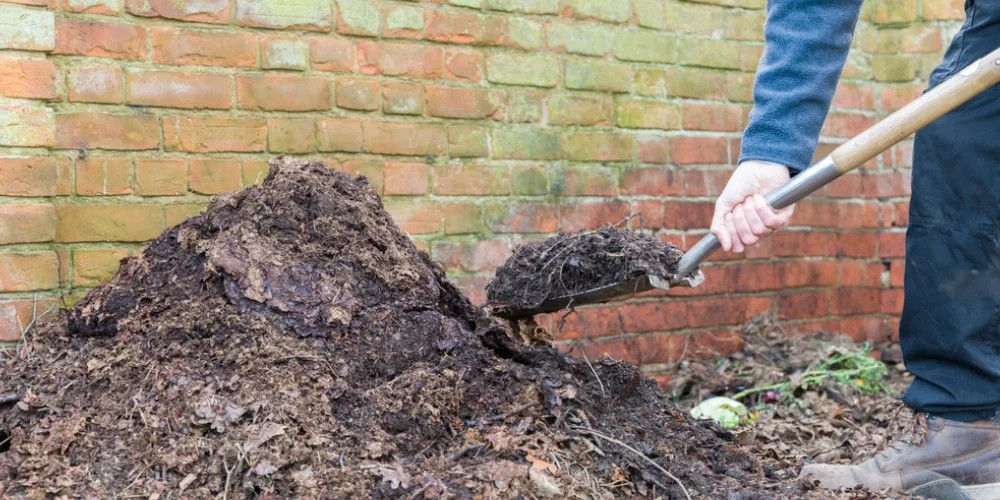
To address this, the project processes septic tank sludge, sewage sludge and food scraps into compost and fertiliser for local farmland. Produce and processed foods grown with these inputs carry a common logo and stickers under the names Circular Vegetable and Circular Fruit, helping consumers identify resource-circulating products at retail counters.
National data cited by the committee shows that Japan produced roughly 2.35 million tonnes of sewage sludge in fiscal 2022, with only 14 percent used for fertiliser. In fiscal 2023, 70 percent of the country’s 690,000 tonnes of septic tank sludge and 80 percent of general waste, including food waste, were incinerated.
The organising committee is now recruiting participants for the Tadaima Food Project Meetup in Tokyo, scheduled for 19 December 2026 at the 3×3 Future Lab community space in Otemachi, Tokyo. Admission is free via Peatix, and the event will feature keynote speeches by fertiliser and resource-circulation specialists, a cross-sector panel discussion, an exhibition and a networking reception serving project produce.
[Reference] PR Times (Japanese)