 Zenbird Editorial Team
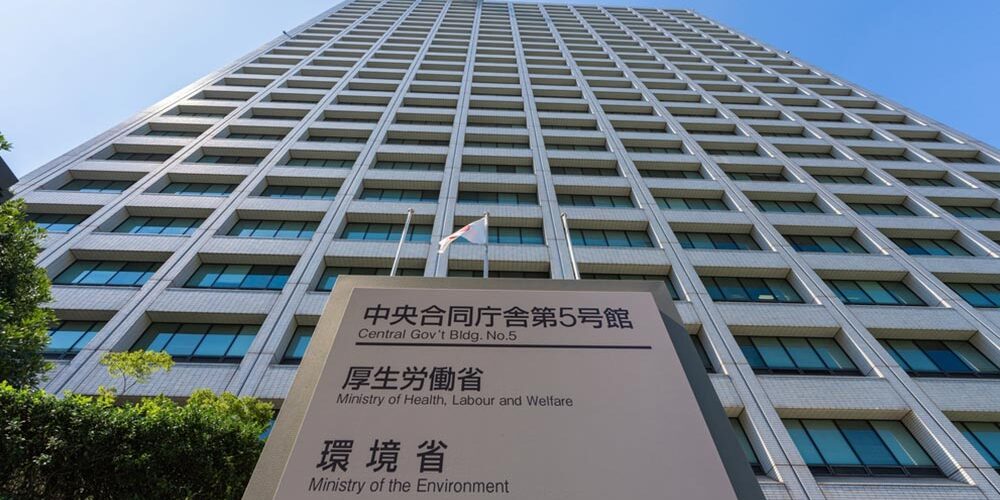
Japan’s Ministry of the Environment has established a roadmap to commercialise artificial photosynthesis, a technology that converts carbon dioxide (CO2) into hydrogen and other chemical products. The plan aims for the first commercial use of electrolysis-based systems by 2030.
Artificial photosynthesis is a Carbon Capture and Utilisation (CCU) technology that uses CO2, water and sunlight as raw materials to generate valuable substances like hydrogen and carbon compounds used in plastics. The ministry notes that Japan is a world leader in this technological field. The new roadmap outlines development goals for two primary methods: an electrolysis-based system and a photocatalyst-based system.
For the electrolysis technology, which uses electricity to split CO2 and water into products like synthesis gas, the government targets commercialisation by 2030. By 2035, the goal is to manufacture final products by combining carbon monoxide from CO2 electrolysis with hydrogen from water electrolysis. The plan aims for even more efficient co-electrolysis technology to be productised by 2040. This will involve improving performance, increasing scale and reducing costs, alongside phased demonstrations of the supply chain for final products.
The photocatalyst technology, which uses powdered catalysts to drive a direct reaction with sunlight, is positioned for longer-term development. The roadmap sets a goal for commercialising hydrogen production using this method by 2035, with the production of final products using that hydrogen to begin in 2040. Development will focus on improving solar energy conversion efficiency, durability and creating larger modules.
The Ministry of the Environment will advance these initiatives based on the roadmap through collaboration between industry, government and academia. It also stated that the plan will be reviewed and updated as needed to reflect technological progress and international developments.
[Reference] Ministry of the Environment Media Release (Japanese)