 Zenbird Editorial Team
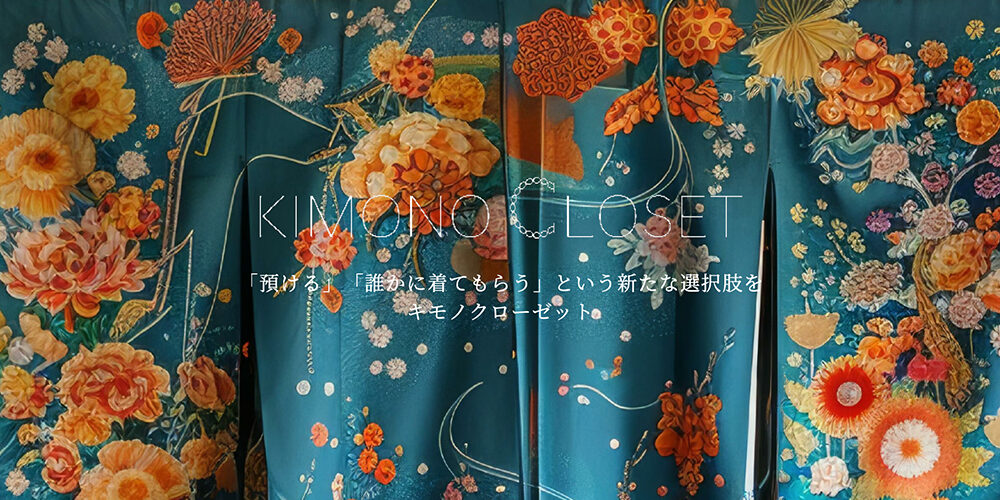
A staggering 30 million kimonos are estimated to lie dormant in Japanese households, trapped in a limbo between sentimental value and the practical burdens of maintenance. Craftsmanship Inc., a company based in Oita Prefecture, released new survey data highlighting the struggle of kimono owners. It is proposing a circular solution through its service, KIMONO CLOSET, that could transform these idle cultural assets into shared resources.
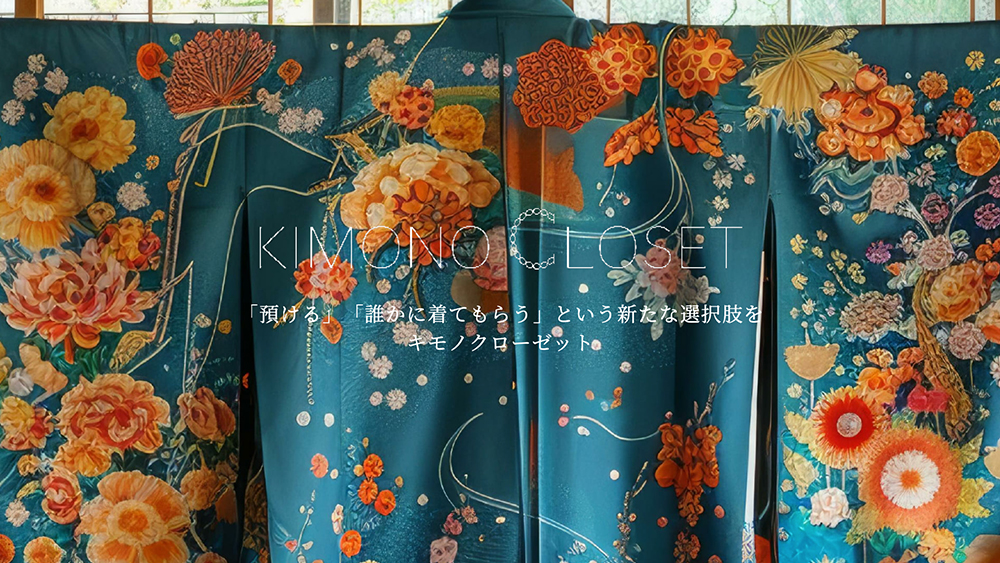
The issue of “sleeping kimonos” represents a significant waste, not just in the sense of material, but also waste of high-quality textiles and craftsmanship. According to industry estimates, the volume of unused kimonos and obi sashes in Japan has reached approximately 30 million items.
Furthermore, 188 kimono owners were surveyed, primarily women in their 30s to 50s. 84.6 per cent of respondents currently store kimonos at home. While 73 per cent possess their own garments, more than half (57.9 per cent) also store items belonging to their parents, indicating that these textiles are accumulating across generations. The survey highlighted that the primary anxiety for owners is maintenance, with 38.4 per cent citing fear of mould and insect damage as their top concern. This was followed by a lack of knowledge on how to wear the garments and uncertainty regarding proper storage methods. Despite the burden of management, owners often hesitate to part with these items.
KIMONO CLOSET addresses this dilemma by offering a third option beyond selling or discarding. The service operates on a sharing economy model where the company takes custody of the garments, performing necessary maintenance such as airing and proper storage. Crucially, the original owner retains legal ownership of the kimono. The items are photographed and listed on a rental platform, and when a kimono is rented by a third party, the owner receives a percentage of the usage fee.
This model extends the product life of the garments and reintegrates them into the economy. It also retains the emotional connection the owner has with the item, which is one of the concerns reflected in the survey. The service has gathered approximately 2,000 items, functioning under the philosophy of eliminating dormant kimonos across Japan.
The company has also further pushed their sustainable efforts with the brand PLASTICITY to introduce eco-friendly collection bags. These bags are manufactured using upcycled discarded vinyl umbrellas, replacing the disposable cardboard boxes previously used for shipping kimonos to the facility. This initiative aims to reduce plastic waste while ensuring the durability required to protect the textiles during transit.
By shifting the focus from ownership to access and proper management, KIMONO CLOSET seeks to preserve traditional Japanese culture while adapting to modern lifestyle constraints.
[Reference] KIMONO CLOSET Feature Page (Japanese)