 Roger Ong
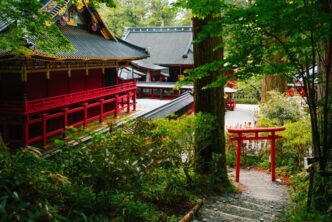
Wabi-sabi is a Japanese aesthetic that finds beauty in imperfection, impermanence, and the natural cycle of growth and decay. You can find in it the weathered surface of an old wooden temple, the worn leather of a favourite chair that becomes softer and richer with age, or the falling petals of a cherry blossom tree towards the end of spring. Each tells a story of time and resilience.
In an ELI5 manner, an easy way to understand wabi-sabi is to break down into “wabi” and “sabi.” “Wabi” refers to a rustic, simple beauty, often associated with an atmosphere of solitude and quietness. “Sabi” emphasizes the beauty that comes with age and wear. In both contexts, and thus wabisabi, is the appreciation of beauty in the non-perfect.
By perfect, I mean the modern thirst to project charisma on social networks, own the newest gadgets, or demand the fastest deliveries. These tendencies often bring a sense of anxiety and dissatisfaction. Surely, we have all felt some measure of anxiety from these consumeristic impulses.
But what if we can find value away from consumerism? What if we can find value in not the most outstanding, not the newest, not the speediest? Within wabi-sabi, we find an answer.
Wabi-sabi: the gold in the broken, the beauty in dull stone
Wabi-sabi found influence from tea master Sen no Rikyū, who introduced the philosophy that celebrated simplicity and the beauty of imperfection in tea ceremonies. By the Edo Period, this aesthetic had become well-established, marking a departure from the ornate and elaborate traditions that preceded it. Before that, tea ceremony was based on fanciness, like having ostentatious and elaborate tea ware. The shift allowed the appreciation of rustic and imperfection as an integral element in tea ceremonies.
Kintsugi is probably the most well known example for wabi-sabi. At first, kintsugi only appears to uphold the concept of Repair: using gold to repair the cracks and broken parts of Japanese crockery. Because the gold enhances the look, and the cracks cannot be replicated, it becomes one of a kind beauty.
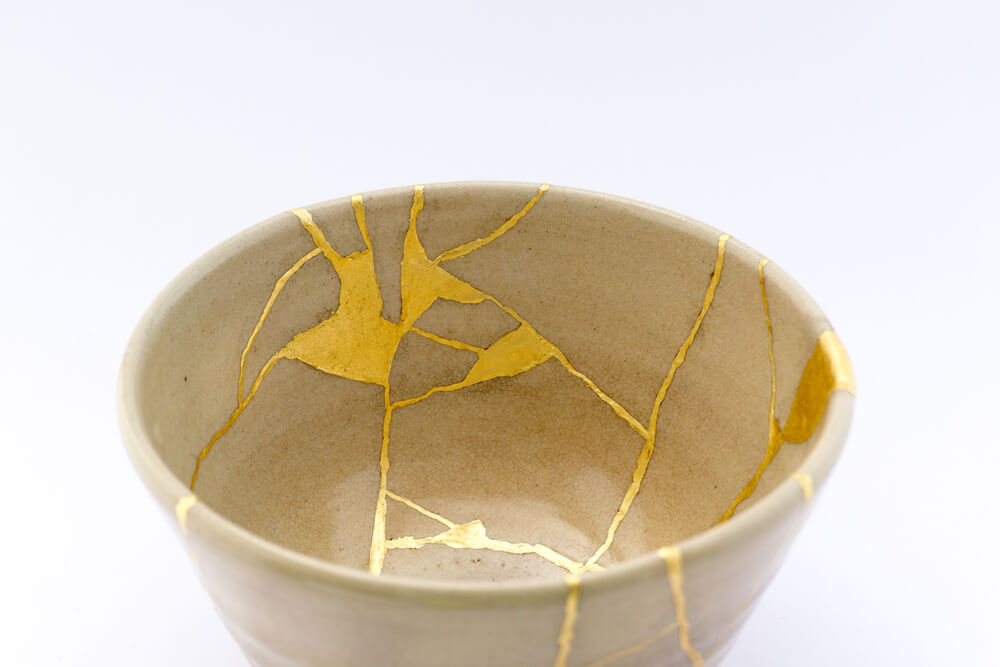
Kintsugi is also about wabi-sabi, however. Even though the broken crockery is no longer perfect as it once was, it is now more valuable than before. We know there are cracks, but we do not treat them with negativity, but find increased appreciation instead. And this appreciation was already available in ancient Japan, with this metal powder repair finding roots in the Muromachi Period (1336 to 1573).
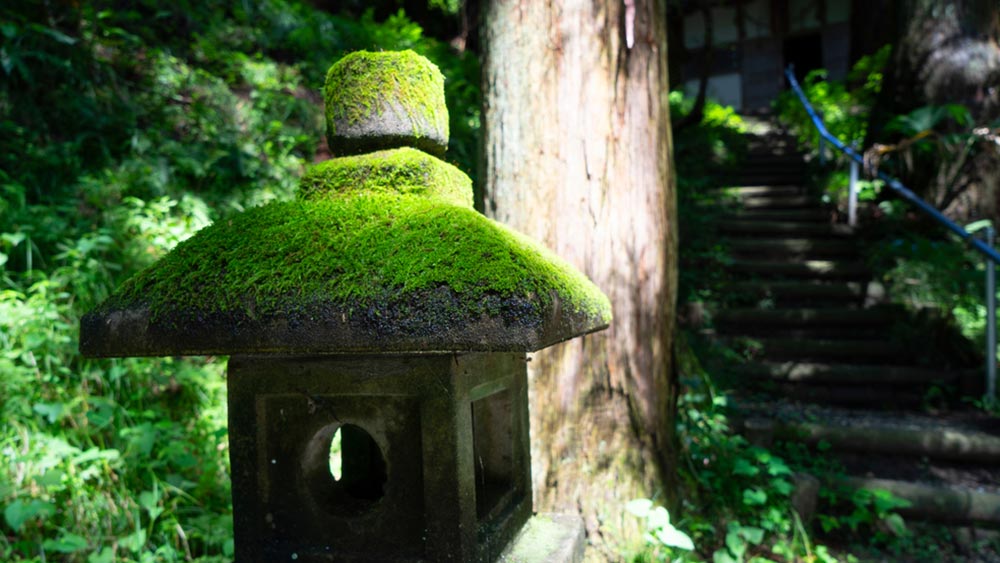
Another way ancient Japan applied the wabi-sabi philosophy into sustainability is the way they designed products. Consider the stone mason artisans who have created the stone lanterns and stone steps at Japanese shrines. These designs embody intentional imperfections and adaptability to time.
The stone artisans did not only think about aesthetics while making the lanterns. They also thought about how the lanterns will look a century later. Knowing well that they will be covered with moss as the hands of time turn, they designed the stone lanterns to be beautiful even after they aged decades and centuries into future eras.
Wabi-sabi design can be found in modern design too. For example, the FUNAGATA BAG by Kazumi Takigawa. Fabric that resembles paper is chosen to make the bag, and natural dyes such as black tea and coffee are used to replicate the color. It begins from designing the bag itself. Unlike bags that dulls in quality as you use them, FUNAGATA bags become more beautiful. The artisan flips the script on creases, that beauty comes with the aged look.
Finding relevance of wabi-sabi and applying it today
Japan has reinvented “old” time and time again. In fashion, the youths have revived retro style. Sustainable, and, in fact, beloved, brands have found new value. Craftsmanship has adopted its expertise to produce traditional products with modern aesthetics. One might even say they are creating the “new tradition.”
It’s time to adopt the mindset, and challenge the idea that old or imperfect is bad. Embracing the wabi-sabi philosophy can redefine our perception of value.
We can begin by asking questions. How can you, as a manufacturer, create something that grows in value as your customers continue using them? Imagine designing products that embrace the wabi-sabi philosophy, where wear and age contribute to their beauty and uniqueness, fostering a deeper connection between the product and its user. How can you, as a consumer, decide what sort of purchases are worth keeping for a long time?