 Zenbird Editorial Team
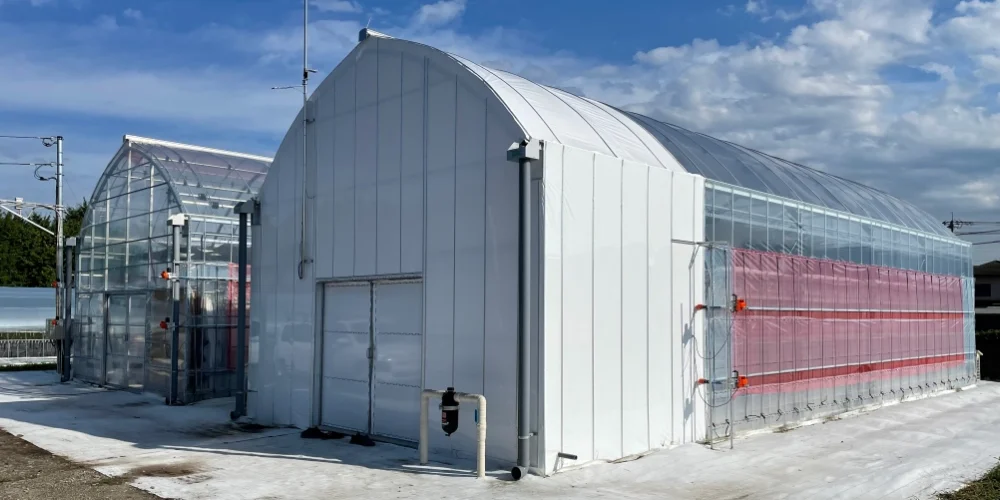
JFE Shoji Corporation has begun a demonstration test of its proprietary vertically suspended solar power generation system inside strawberry greenhouses. Partnering with hiko farm, an agricultural producer based in Ibaraki Prefecture, the project wants to give proof to another model for the local production and consumption of renewable solar energy.
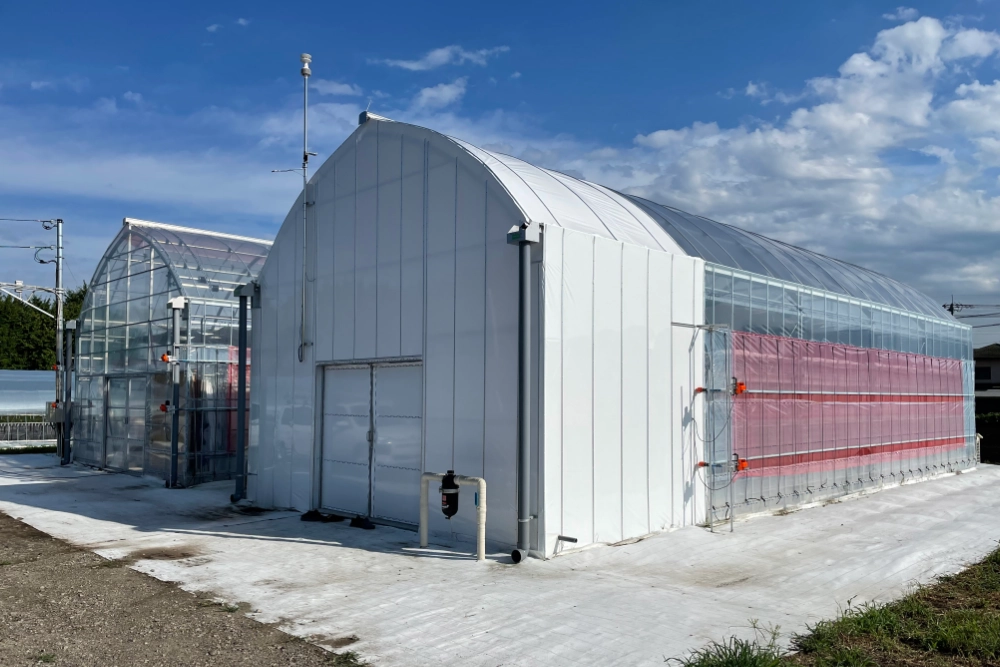
JFE Shoji introduced a system that hangs lightweight, flexible solar panels directly from the existing structural framework of cultivation greenhouses. This eliminates the need for additional mounting frames, keeping installation structures simple and unobtrusive. Farm operators can easily adjust the angle of the panels to provide necessary shade, which serves as a countermeasure against extreme heat while simultaneously generating renewable power.
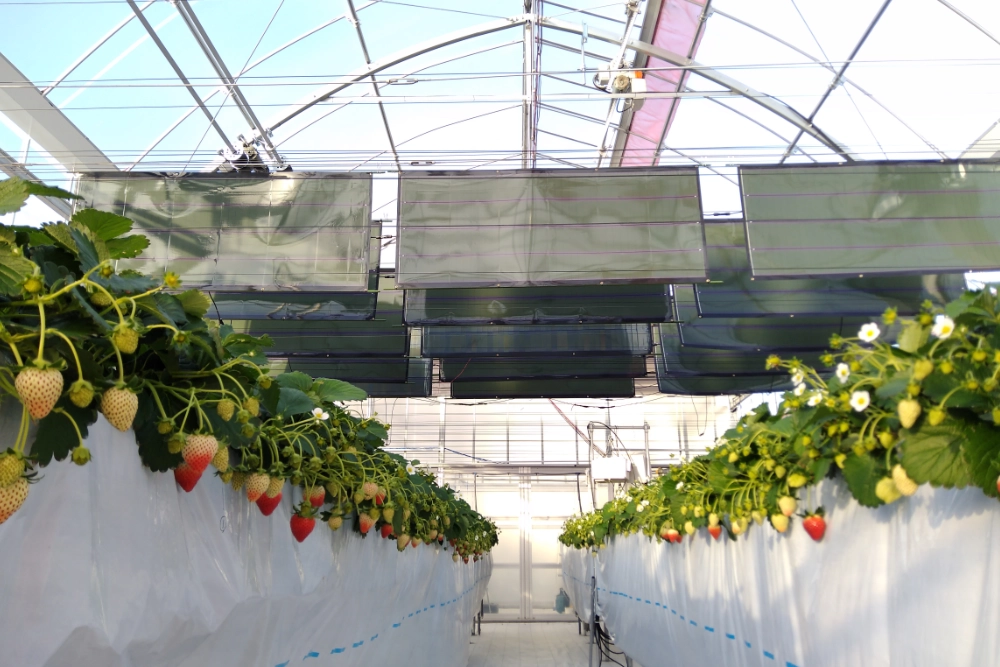
The electricity generated on-site powers the facility’s climate control systems and other cultivation management equipment. It enables the electrification of winter heating appliances, drastically reducing the carbon dioxide emissions previously generated by heavy oil and kerosene. JFE Shoji is currently verifying the economic viability of this model by evaluating total installation costs, the effectiveness of generating power indoors and the system’s overall impact on agricultural management.
The agricultural sector faces numerous structural and environmental challenges. They include surging energy costs, severe labour shortages and a decline in both crop quality and yield caused by global warming.
Shingo Hikota, representative of hiko farm, shared that agriculture is one of the few industries capable of absorbing greenhouse gases, but expressed frustration that the cultivation process still relies heavily on fossil fuels and electricity. He highlighted the severe impact of recent extreme weather, including high temperatures delaying harvests and increasing pest risks. Hikota anticipates that the solar integration will not only lower environmental impacts but also optimise the cultivation environment through reliable, self-generated climate control, ultimately leading to higher quality crops.
[Reference] JFE Shoji News (Japanese)