 Zenbird Editorial Team
Maeda Kosen Co., Ltd., a Japanese manufacturer of civil engineering materials, has launched “Ecosheep,” a new vegetation sheet designed to prevent soil erosion. The product is made entirely from natural animal and plant fibres, offering a plastic-free solution for reinforcing slopes.
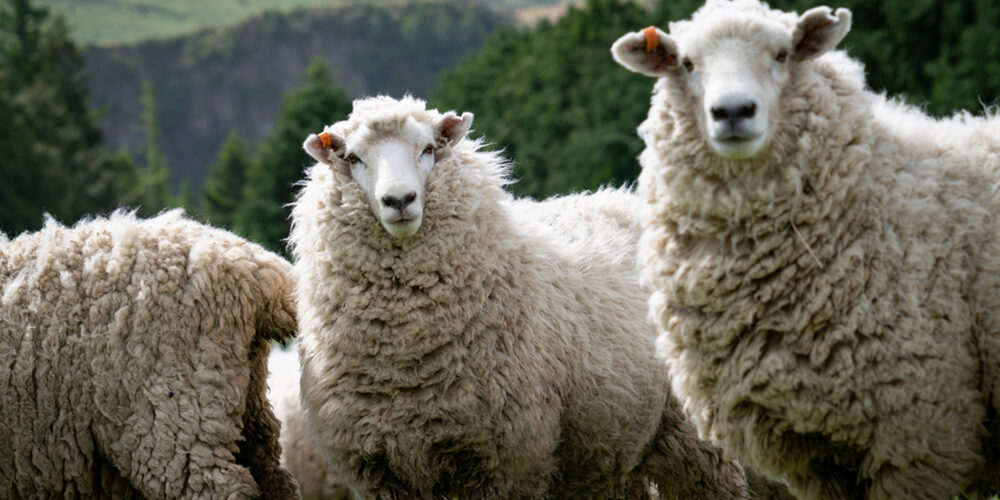
Ecosheep was developed to address soil instability on surfaces susceptible to erosion from frequent heavy rains or those with poor plant growth due to dry conditions. The product transforms wool, a material that is often discarded, into a functional component for disaster prevention and mitigation.
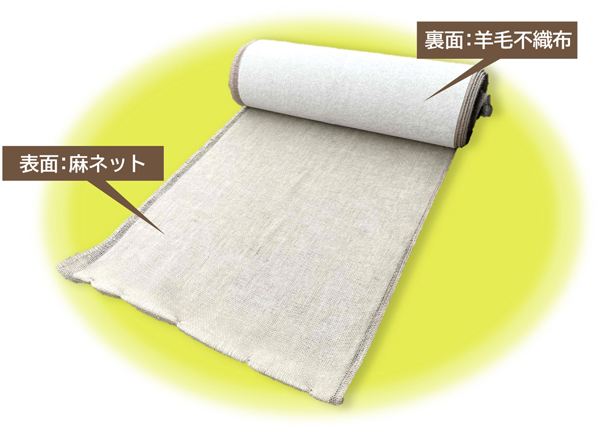
The sheet consists of a non-woven fabric made from wool and a surface net made from jute. All materials are fully biodegradable. The soft, felt-like structure of the wool allows the sheet to adhere closely to the ground, which suppresses soil erosion caused by rainwater.
In addition to its erosion control capabilities, Ecosheep is designed to promote vegetation. The material has high water retention and thermal insulation properties, which protect seeds and young plants from the stress of dryness and temperature fluctuations. As the wool fibres are composed mainly of protein, they decompose into natural fertilizer, further aiding plant growth.
The use of wool, an industrial by-product, contributes to a circular economy. According to Maeda Kosen’s calculations, the manufacturing process for Ecosheep reduces CO2 emissions by approximately 25% compared to conventional products made from chemical fibres. The natural fertilising effect of the wool also lessens the need for chemical fertilizers, which have a significant carbon footprint.
As a fully biodegradable product, Ecosheep does not generate microplastics or other harmful substances as it breaks down, thereby preventing negative impacts on local ecosystems. The rate of decomposition varies depending on the climate and soil environment of the installation site.
[Reference] Maeda Kosen Co., Ltd. News Release (Japanese)