Explore sustainable cafes, hotels, and local experiences in our Guidebook.
Gateway to Sustainability in Japan
Latest
Travel
Culture
Business
Lifestyle
Interview
About
Service
Travel Programmes
英日・日英翻訳
Guidebook
Sustainable City Guide: KYOTO
Sustainable City Guide: TOKYO
Search
Search
Search
Search
Latest
Travel
Culture
Business
Lifestyle
Interview
About
Service
Travel Programmes
英日・日英翻訳
Guidebook
Sustainable City Guide: KYOTO
Sustainable City Guide: TOKYO
Search
Search
Search
Search
All Articles
2662 articles
Nov
20
Enjoy vegan ramen UZU in spectacular teamLab style!
Nov
19
Oito launches with sustainable footwear which uses Japanese paper thread
Nov
17
Tool-free DIY connector Planklip puts together sustainable furniture made of circular material
Nov
16
The Bar helps Japan shift to sustainable bar soap and shampoo
Nov
15
Hidden problems with renewable energy in Japan
Nov
11
What about Japan’s cars? Missing commitment towards zero carbon on vehicles
Nov
10
Boutique brand Ethical & SEA promotes ethical consumption in Japan
Nov
09
Japan must provide safer and more accessible abortion
Nov
08
Japan’s updated energy plan reveals approach to nuclear and renewables
Nov
05
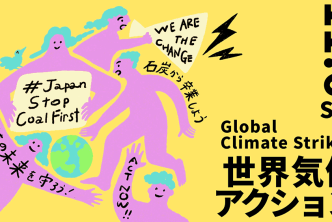
Japan Stop Coal First: World Action Climate 1106
Posts pagination
Previous
1
…
188
189
190
191
192
…
267
Next
Latest
Travel
Culture
Business
Lifestyle
Interview
About
Service
Travel Programmes
英日・日英翻訳
Guidebook
Sustainable City Guide: KYOTO
Sustainable City Guide: TOKYO
We use cookies to give you a smooth and personalised experience on our website. If you keep browsing, we’ll assume you’re okay with the use of cookies.
Privacy policy
OK
Refuse consent
You can revoke your consent any time using the Revoke consent button.
Revoke cookies