 Zenbird Editorial Team
Asahi Kasei Corporation will be tracking the recycling history of precious metals used in chlor-alkali electrolysis electrodes in their demonstration project, verifying the issuance of Digital Product Passports.
The project brings together Dutch supply chain traceability firm Circularise and precious metal refiner Furuya Metal, building on an electrode metal recycling trial started in 2025. Asahi Kasei invested in Circularise through its corporate venture capital arm in November 2022. Between February and September 2025, the two companies used virtual scenarios on Circularise’s data-sharing system, which protects confidential corporate information, to confirm they could track recovered metal volumes and reuse rates in new electrodes.
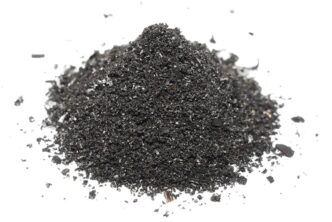
Iridium and ruthenium are critical minerals used in chlor-alkali electrolysis electrodes, electronic components and semiconductor materials, with future demand expected to rise in polymer electrolyte membrane water electrolysers for hydrogen production. According to the International Platinum Group Metals Association, global annual primary production is estimated at roughly 7 tonnes for iridium and 30 tonnes for ruthenium, largely as by-products of platinum mining in limited regions. While companies can identify the origin of used electrodes and their refining destinations, tracking distribution routes in between and post-refining reuse remains difficult.
In the new demonstration, the three partners are testing actual recovery and recycling operations in two phases, applying Furuya Metal’s expertise in refining and processing iridium and ruthenium. The first phase verifies traceability from collecting used electrodes through metal extraction and refining to producing recycled bullion. The second phase connects data from the recycled bullion to the manufacturing of new electrodes to test the issuance of Digital Product Passports, which record material provenance and support quality assurance and sustainability certification.
“Collaboration with companies responsible for collection and refining is essential to link resource circulation to actual business,” said Yoshinori Sumi, general manager of Asahi Kasei’s ion exchange membrane division. Using findings from both phases, the companies will evaluate commercial implementation of the traceability system and plan to expand the framework to water electrolysis for hydrogen production and other industries reliant on critical minerals.
[Reference] Asahi Kasei Corporation News