 Misato Noto
More than half of the world’s population currently lives in urban areas. In fact, according to the United Nations’ estimate, 68% will live in urban areas by 2050. Such population growth in urban areas is accompanied by a shift in land use, often involving fertile soils and farmland being repurposed for residential and commercial uses. This essentially leads to employment shifting away from agriculture. Therefore, it will be important for city-dwellers to turn to urban agriculture for sustainable food production and distribution.
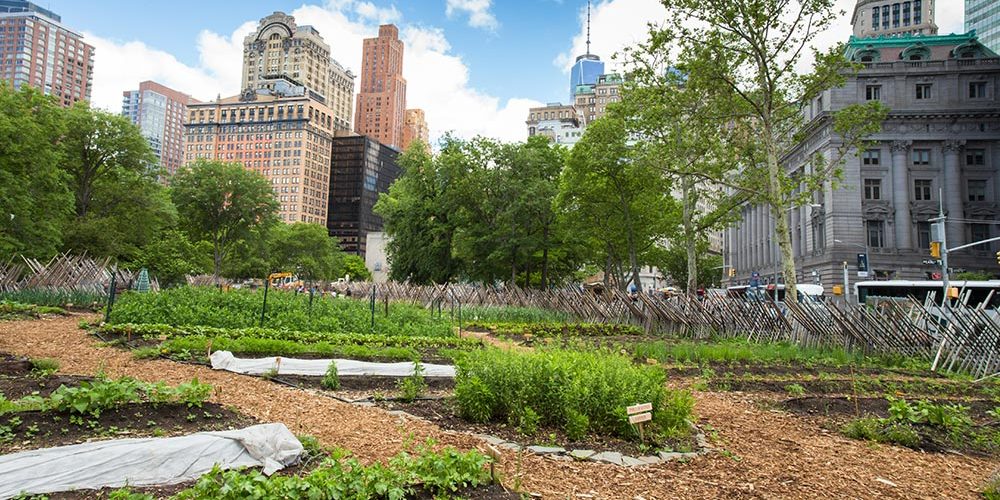
Urban agriculture can take many forms, such as rooftop gardens, community allotments and hydroponics. These forms all benefit local communities in many ways. For example, enriching access to fresh produce can help reduce the dependence on rural farms or imports and make immediate connections to food. Furthermore, locally grown food cuts the need for transport, saving emissions while also preventing nutrient loss depending on the produce. Moreover, from an environmental viewpoint, incorporating farming space into urban life means making your city greener, boosting the abundance of species and fostering a healthier ecosystem.
Read more about circular economy in Japan
- 2026-10-13: Satoyama initiative closes loop, converting food waste into fertiliser
- 2026-10-06: Meiji and TOPPAN begin paper yogurt cup recycling trial in Yokohama
- 2026-10-04: Tokyo selects three community projects to boost resource recovery
- 2026-10-01: Japan METI's Cicrular Economy Action Week begins today
- 2026-10-01: Seven-Eleven Japan begins reusing power units via remanufacturing