 Roger Ong
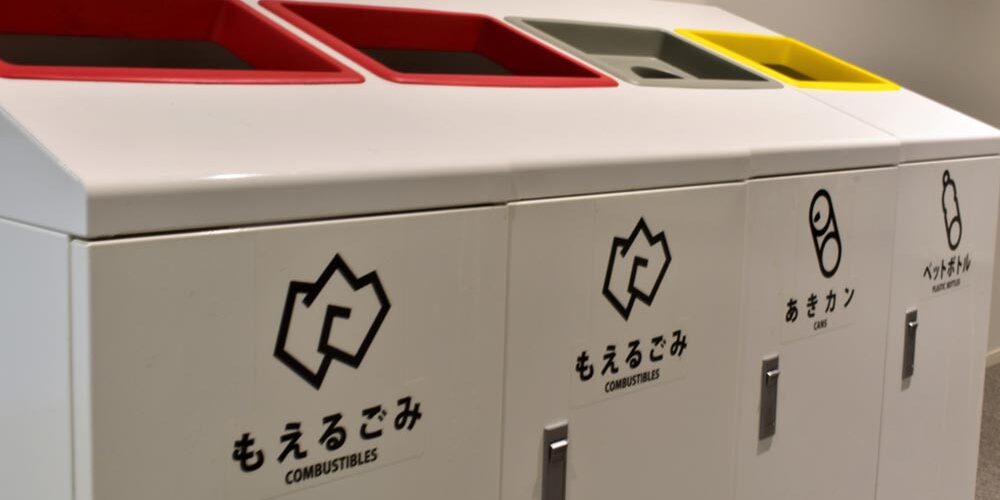
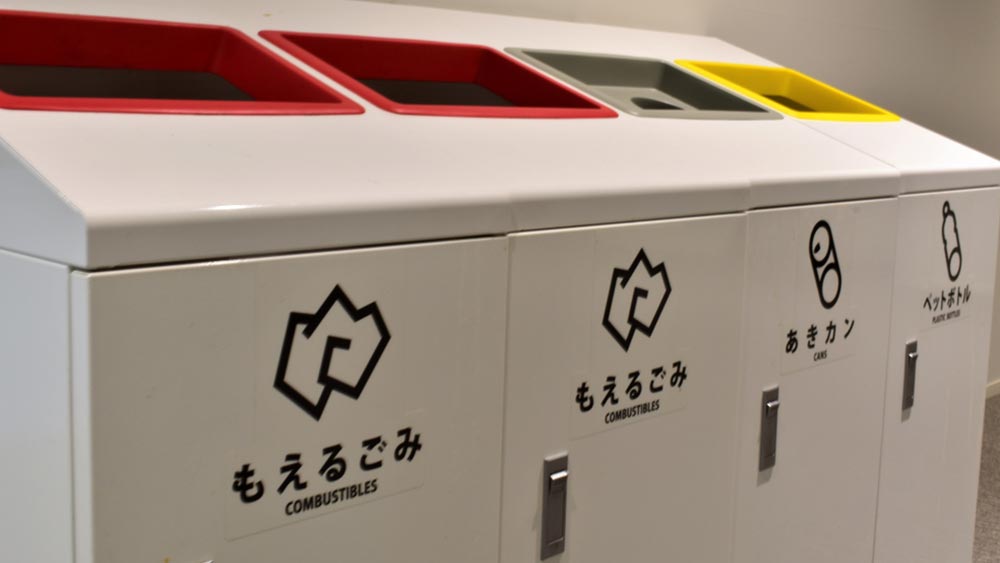
At some point, visitors to Japan will notice how rubbish is sorted. There are separate bins for burnables, plastics, cans and bottles, each with its own collection day. These bins seem to signify efficiency in waste separation and collection, and to hint how Japan reduces its waste.
But there’s more going on behind the scenes. Real progress is coming from circularity, from the improvement of supply chains and infrastructure. Looking at the past and present, we can find two key areas that offer a glimpse into what has endured and worked in Japan in terms of reducing waste.
Reuse and repair as virtuous jobs
In old Japan, objects did not become waste when they had finished their first job. Women gathered scraps of cloth and stitched them into new work clothes. Tools and garments were mended before they were beyond saving. Harvests were salted, dried in the cold air or fermented so that nothing spoiled.
Door-to-door merchants sold costly staples such as sugar and salt by weight, so a household bought only what it needed. The feeling behind all this is often summed up as mottainai, a sense of regret when something useful is wasted.
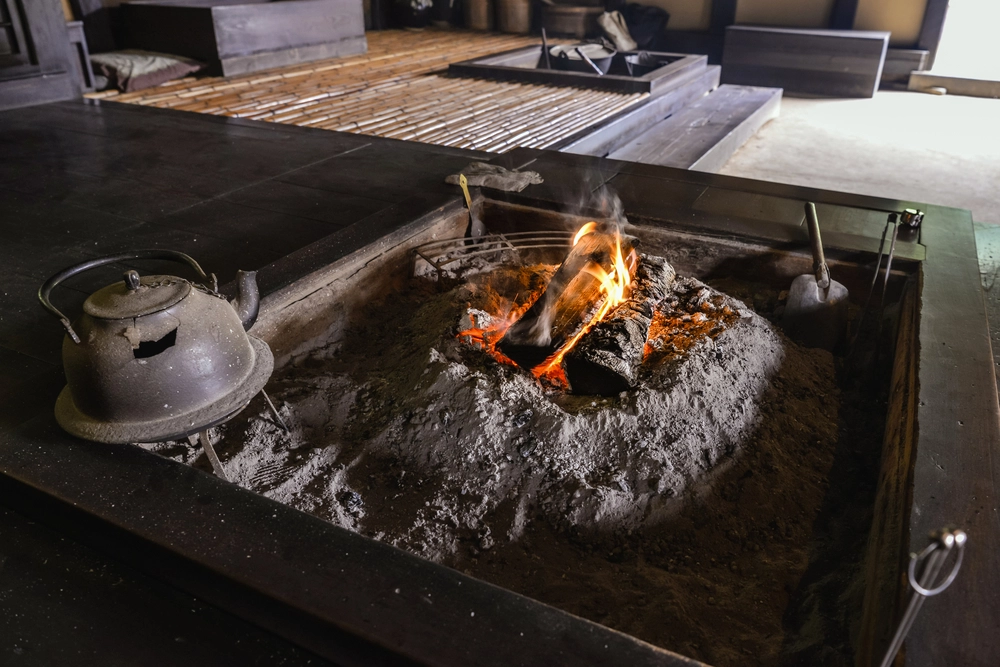
During the Edo period, this attitude grew into an entire economy. Specialised buyers bought old shopkeepers’ account books to sell to paper makers. Collectors went door to door to buy wood ash and compost, and sold them as high-priced fertiliser (the agricultural industry was considered highly essential). Homes had ash boxes, while bathhouses and larger shops had “ash huts” where the ash collected and sold. Others were craftspeople who repaired wooden barrels and pails, and some bought candle drippings to make new candles.
Zenbird refers to these as part of the Circular Edonomy, where resources were treasured and kept in the cycle of use, maximising waste reduction. Some of these efforts remain strong today, such as secondhand clothing stores and product-as-a-service models, and the spirit of mottainai endures to this day.
Waste sorting is a way of building awareness (and even education)
If you’re into recycling, how many categories do you divide your paper waste into?
Kamikatsu, also known as Japan’s zero-waste town, does not have refuse lorries. Instead, residents take it upon themselves to sort their rubbish into 44 categories and bring it to the famous local Zero Waste Center for recycling.
Here, each waste category has a basket/corner. Even paper-type wastes like newspapers, flyers, and small paper scraps have their own place because of different processing methods. Furthermore, each category has an information label, with transparent information on how much it costs to process each type of waste. (As a side note, the Zero Waste Center also has a space dedicated to sharing still-usable products with other residents, so it’s not all about waste management.)

The lesson is that it takes knowledge to divide waste correctly. It means that we learn what each product is made of and stay invested in what happens after it is used, waste or not. This heightened awareness makes us more responsible and less wasteful. On top of that, Kamikatsu residents become educated about how costly waste management is. More than a financial incentive, this gives residents a sense of involvement in the collective effort to manage the town’s waste costs.
That said, Kamikatsu is not 100% waste-free because of technological challenges, and not all of Japan sorts waste to that degree. Nevertheless, Kamikatsu is inspiring more individuals and businesses to reduce their waste, serving as a role model for what is possible.
Lots more factors, but we can take the first step
There are a myriad of factors that contribute to reducing waste in Japan, including culture, grassroots efforts and government support. Perhaps the most effective way to reduce waste is simply to notice it. That allows us to take the first step, to start thinking about the things we use and realising we have a role in taking responsibility for them, just like how Japan continues aspiring to.