 Zenbird Editorial Team
Environmental materials startup Behomal Co., Ltd. has begun implementing a resource circulation project called “CO₂ is Love™”, designed to reverse-engineer recycling systems by prioritising secondary consumer demand over waste disposal.
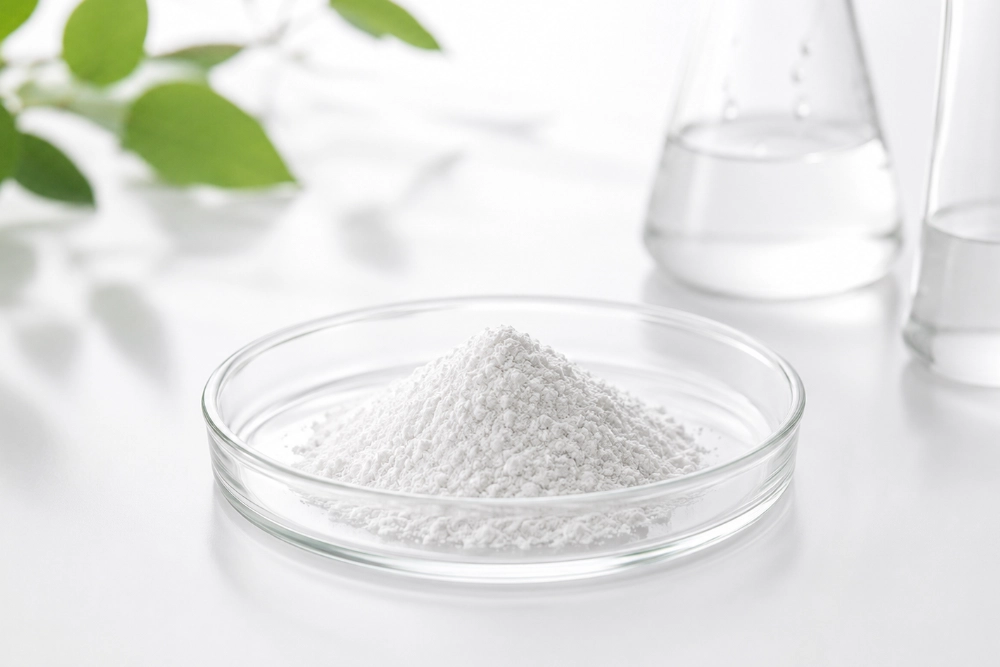
Corporate resource circulation often face three barriers: low collection rates, inferior functional or aesthetic qualities in recycled items, and unprofitable economics that leave projects stranded at the trial stage. Behomal addresses these obstacles by changing the psychological relationship between consumers and carbon emissions. It frames emissions as tangible proof of human effort and connection. Goods manufactured with Behomal’s functional plastic, DAC Pla®, absorb atmospheric carbon dioxide during use. Returning the item is framed as depositing that captured carbon for the next production cycle.
Conventional recycling programmes typically collect waste before seeking viable commercial uses. Behomal reverses this workflow by first identifying what secondary goods users will desire after an initial event, such as a concert, road race, or trade exhibition. Backcasting is used to calculate required recovery volumes, single-material specifications, and initial product moulds. To maximise emissions reductions, the primary and secondary goods are produced by the same manufacturing partner. This arrangement enables factory processing losses, including trial mouldings, sprues, and edge trimmings, to be retained and reprocessed into the secondary item. In addition, reusing material with an identical thermal history avoids the erratic moulding defects common to mixed recycled plastics.
The company estimates that producing 10,000 polypropylene hand fans containing 3 percent of Behomal’s Bio-MOF Mikan® captures 1.2 kilograms of carbon dioxide during use. Direct atmospheric capture may seem modest, but incorporating returned items and manufacturing scrap into a second product cycle reduces lifecycle emissions from 2.38 tonnes to 1.31 tonnes of carbon dioxide compared with virgin resin. This represents an emissions drop of 45 percent, outperforming conventional plastic recycling models that yield approximately 25 percent reductions. Behomal monitors public engagement through a metric termed “%LOVE”, calculated as the ratio of returned items to distributed units, to assess behavioural participation alongside physical carbon reductions.
Behomal is currently recruiting partners across commercial property development, event management, brand manufacturing, and waste processing to establish a closed-loop framework that converts carbon-absorbing products into desired secondary goods.
[Reference] PR Times (Japanese)