 Zenbird Editorial Team
The World Wide Fund for Nature Japan (WWF Japan) has started the Yonaguni Island Biodiversity Conservation Project in August to restore degraded wetland ecosystems and safeguard endangered species in Yonaguni Town, Okinawa Prefecture. The project will run through to June 2030, operating in partnership with the Association for Living with Yonaguni Island’s Nature alongside experts in aquatic life and ornithology. The project focuses on reversing local biodiversity loss while aligning habitat restoration with the island’s traditional agricultural practices.
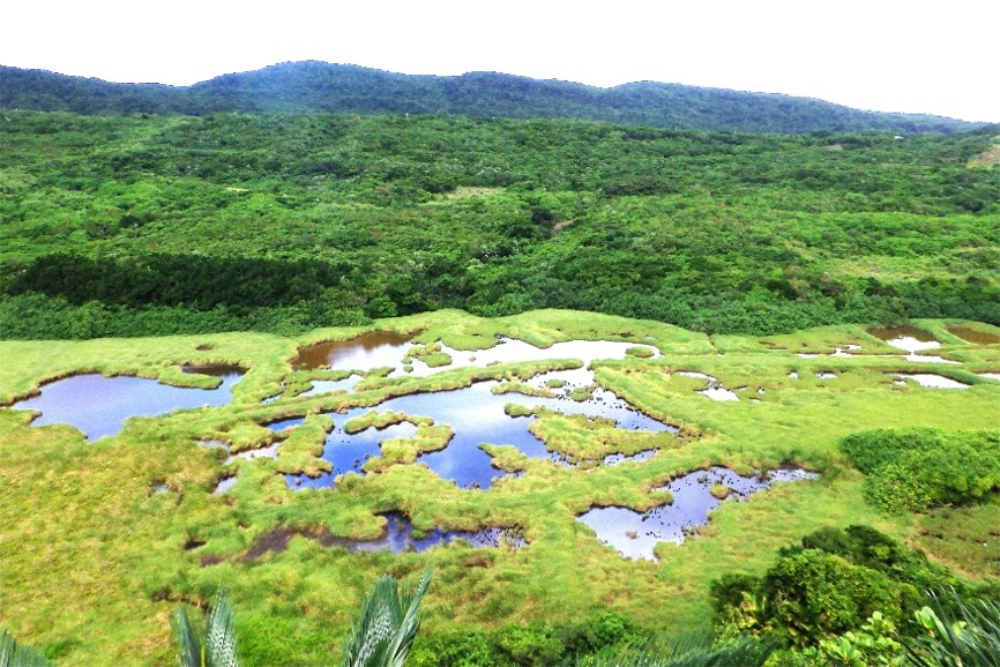
Yonaguni is located in Japan’s westernmost border island, approximately 509 kilometres from the main island of Okinawa and 127 kilometres from Ishigaki Island. It possesses internationally significant natural habitats. The area hosts endemic wildlife and threatened avian species, including the Yonaguni wood pigeon and the national natural monument emerald dove. However, land development and the expansion of abandoned farmland since the 1960s caused a rapid contraction of freshwater wetlands and rice paddies across the island. This change has damaged local ecosystems and disrupted traditional community lifestyles tied to natural resource stewardship.
The conservation project targets three central operational areas to address the challenges. First, team members will convert abandoned agricultural plots back into functioning rice paddies to restore wetland hydrology and biodiversity. Second, researchers will conduct field surveys to identify critical habitats, laying the groundwork for establishing formal nature reserves for endangered species. Third, the initiative will promote community awareness regarding the relationship between island culture and local ecosystems.
The collaborating organisations emphasise the ecological and social potential of the project. Rinko Oda of the WWF Japan Wildlife Group noted that Yonaguni represents the organisation’s first conservation field site on the island, aiming to ensure that natural landscapes lost since 1960 achieve stronger protection by 2030. Chie Takahashi, representative of the Association for Living with Yonaguni Island’s Nature, highlighted that rice paddy restoration yields broader social benefits. Reclaiming farmland allows residents to weave traditional harvest festival ropes from harvested straw, provides experiential food education for local children, and builds foundation for sustainable eco-tourism.
This November, the project team will host a progress report meeting and community dialogue session, known locally as a yuntaku, in Yonaguni Town. The gathering will bring together local residents, the island mayor, representatives from the agricultural committee, JA Okinawa, and the Ministry of the Environment to refine future steps.
[Reference] World Wide Fund for Nature Japan (Japanese)