 Zenbird Editorial Team
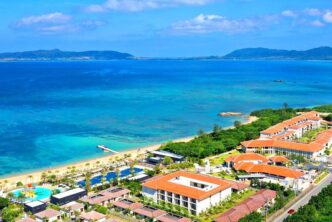
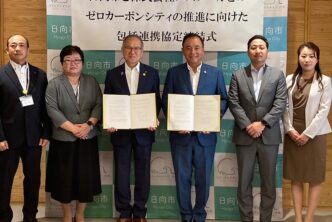
Japanese conglomerates Hitachi, Ltd., Mitsui O.S.K. Lines, Ltd. (MOL), and Japan Airlines Co., Ltd. (JAL) signed a memorandum of understanding to launch Japan’s first trial of Direct Ocean Capture technology on Kume Island in Okinawa Prefecture. The joint initiative uses land-based containerised equipment connected to coastal seawater intake systems to extract dissolved carbon dioxide directly from the sea. The companies will evaluate operational challenges and environmental impacts along domestic coasts, aiming at decarbonisation in hard-to-abate industries such as shipping and aviation.
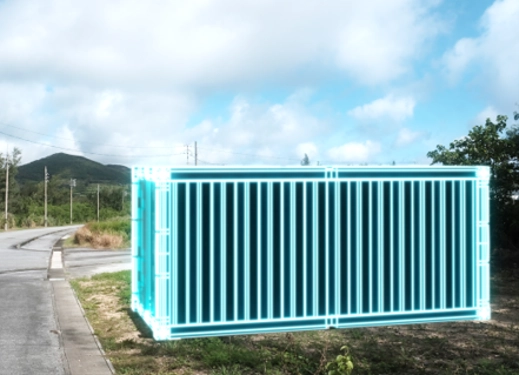
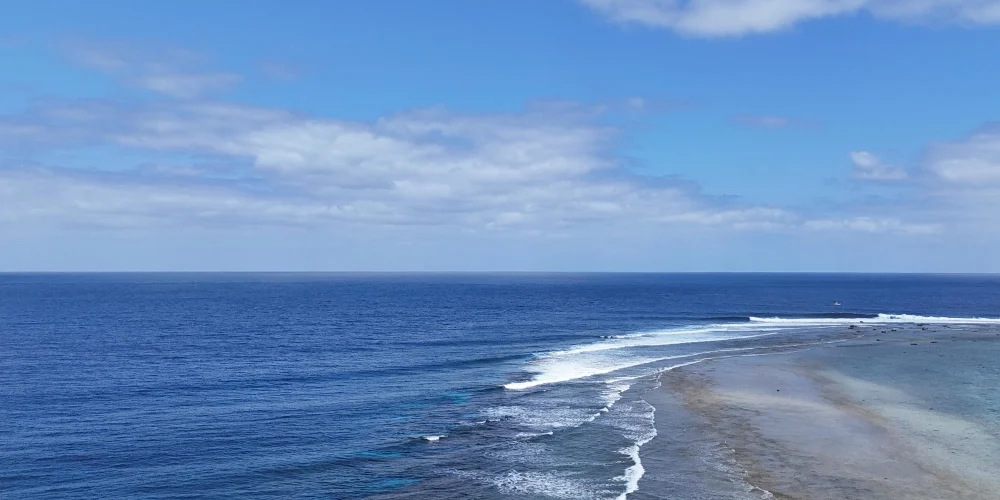
Direct Ocean Capture operates by removing carbon dioxide dissolved in ocean waters, where carbon concentration is 100 to 150 times higher than in the surrounding atmosphere. The technology extracts carbon from seawater, and the natural chemical equilibrium encourages the ocean to absorb replacement carbon dioxide from the air. The three companies believe that this process offers a low-energy method for atmospheric carbon removal. Kume Island was chosen as the trial site due to its established marine research infrastructure, including active seawater intake facilities and ongoing projects in Ocean Thermal Energy Conversion.
The project divides operational responsibilities among the three corporate partners based on their respective sector capabilities. Hitachi leads technical deployment, using high-precision measuring tools from Hitachi High-Tech Corporation to track parameters such as carbon concentration and pH levels. They will integrates Physical AI to analyse data and optimise plant operational efficiency, while Hitachi Industrial Products, Ltd. examines equipment supply for commercial scaling.
MOL leverages its existing agreement with Kumejima Town to handle local stakeholder coordination and regional project development. Meanwhile, JAL collaborates with regional flight operators Japan Transocean Air Co., Ltd. and Ryukyu Air Commuter Co., Ltd. to raise public awareness and explore future procurement of electro-synthetic aviation fuel produced from captured carbon.
All three companies hold investments in Captura Corporation, the US-based developer of the Direct Ocean Capture technology deployed in this trial. Hard-to-abate transportation sectors face strict global emissions mandates, increasing demand for reliable carbon offset mechanisms and synthetic fuels. By developing ocean capture infrastructure domestically, Japan can reduce its future reliance on foreign carbon credit markets while securing locally produced carbon feedstock for synthetic fuels like E-SAF.
If successful, the Kume Island model could demonstrate how coastal nations convert environmental mitigation into self-sustaining carbon economies.
[Reference] Hitachi Newsroom (Japanese)