 Zenbird Editorial Team
InnovateX Co., Ltd. will begin nationwide recruitment of partner manufacturing plants, launching its INX Environment OS platform, an operational system designed to repurpose un-sortable and un-washable composite plastic waste into building materials and civic infrastructure across Japan.
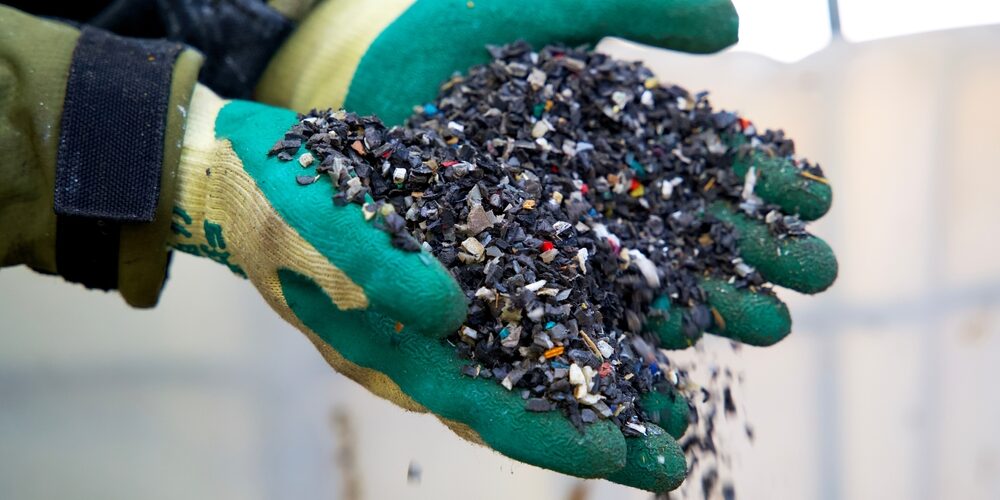
Composite plastic waste, including multi-layered flexible packaging, artificial turf, and contaminated construction debris, pose a severe barrier to physical recycling. Conventional mechanical recycling relies on rigorous sorting and cleaning to isolate pure resins. This process incurs high labor and operational costs that make recycled material economically uncompetitive against virgin plastics. Consequently, large volumes of mixed industrial waste continue to be directed toward thermal recovery, incineration, or landfill facilities.
Rather than attempting to restore contaminated waste back to high-purity single-type polymers, the InnovateX plans products backwards from the technical requirements of final applications, such as street furniture, outdoor decking, and civil engineering components. By designing directly for structural end-use, the system bypasses fine sorting and cleaning stages, transforming disposal overheads into raw material inputs for participating factories.
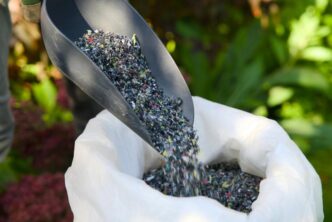
Under the INX Environment OS model, regional production plants can enter the network using existing industrial equipment, including extruders, crushers, mixers, and moulds. Factories mix their own internal plastic waste or locally sourced industrial debris with a proprietary intermediate substrate provided by InnovateX. This setup allows local manufacturers to reduce waste treatment expenditures while establishing regional collection outlets for nearby industrial waste streams, such as wood scrap and construction residues.
To guarantee product reliability across varying waste feeds, InnovateX retains centralized oversight over quality assurance and commercial distribution. Every production batch undergoes standardized physical testing at the company’s facilities. Inspection procedures include a 24-hour deflection test under an 80-kilogram weight, a triple drop test from a height of 2.5 metres, and a one-minute combustion stability check. Once verified, products are marketed to municipalities and corporate clients as public furniture, including benches, tables, and shelters.
[Reference] PR Times (Japanese)