 Zenbird Editorial Team
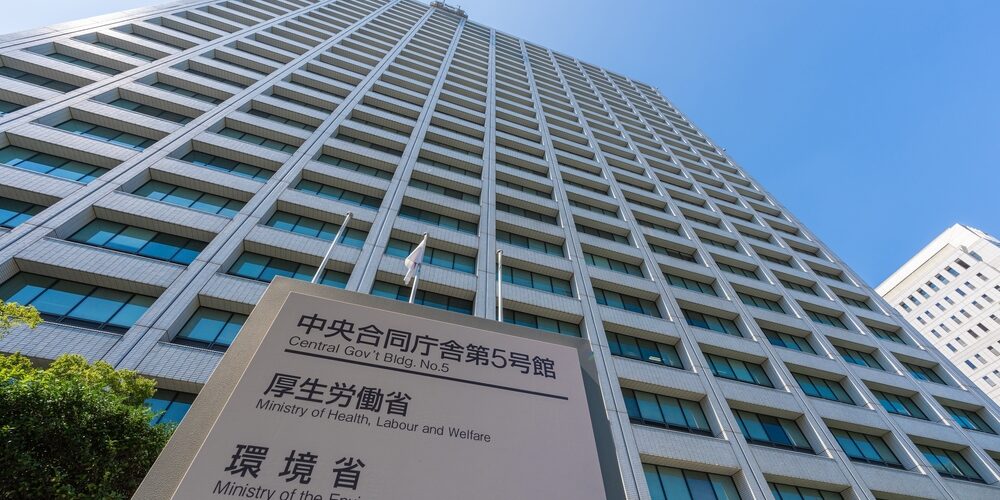
The Japanese Ministry of the Environment announced the selection results for the 2026 Regional Resource Circulation Promotion Support Project, which supports municipal assessments and private business demonstrations to accelerate the transition to a circular economy across Japan.
A five-member expert panel reviewed the applications submitted between 13 April and 29 May. The ministry selected 26 projects for the municipal circular economy diagnosis and vision creation category. This includes 15 first-year and 11 second-year initiatives. The selection features collaborative regional efforts, such as a joint project led by Shizuoka City involving Minamiawaji City, Kuroshio Town, and Karatsu City. Furthermore, the ministry approved 19 circular business model demonstration projects, comprising 14 first-year and 5 second-year initiatives.
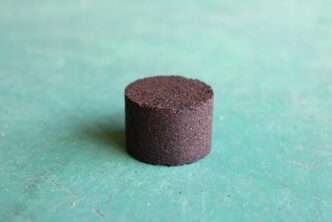
These business projects address a wide array of local resources to circulate. Odate City in Akita Prefecture will cultivate fast-growing paulownia trees on abandoned farmland to establish a biomass power generation system. In Taito Ward, Tokyo, Ennoki Co. Ltd. will standardise and expand the Kuramae Model, an urban circular system utilising organic by-products like coffee grounds. Other selected business models involve marine habitat restoration using seafood processing waste in Susami Town, Wakayama Prefecture, and small electronics dismantling led by Gomi no Gakko in Kameoka City, Kyoto Prefecture.
This extensive government support signls the nation’s push towards localised resource loops in Japan, and the selection will serve as replicable models for communities nationwide.
[Reference] Ministry of the Environment Media Release (Japanese)