 Zenbird Editorial Team
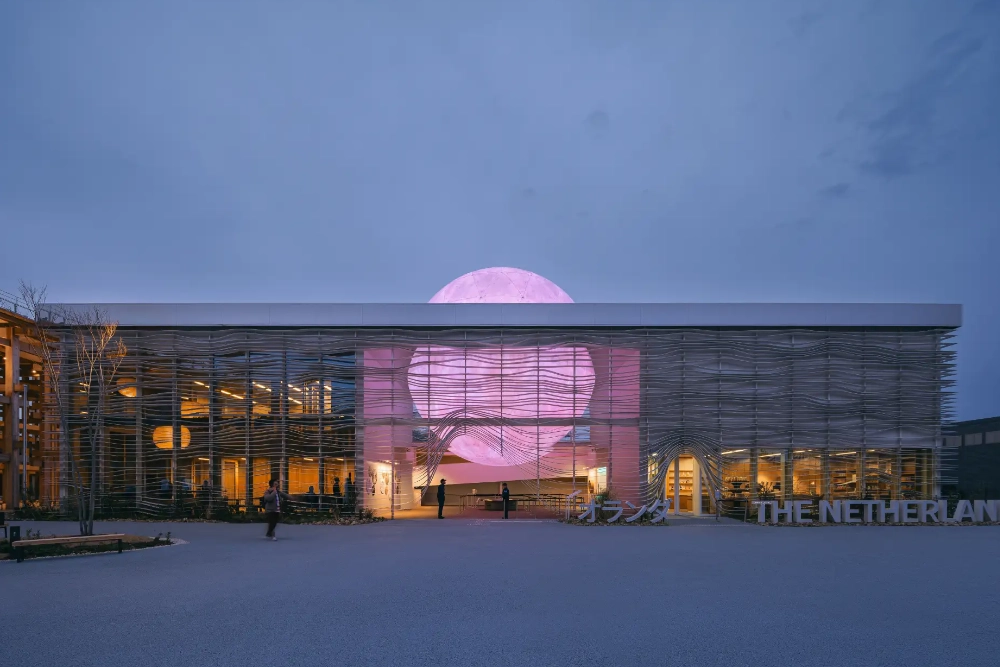
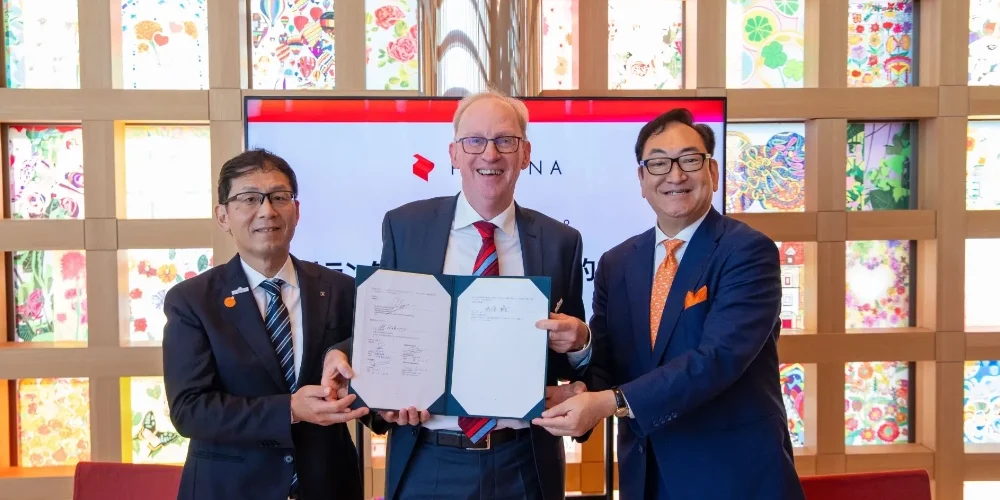
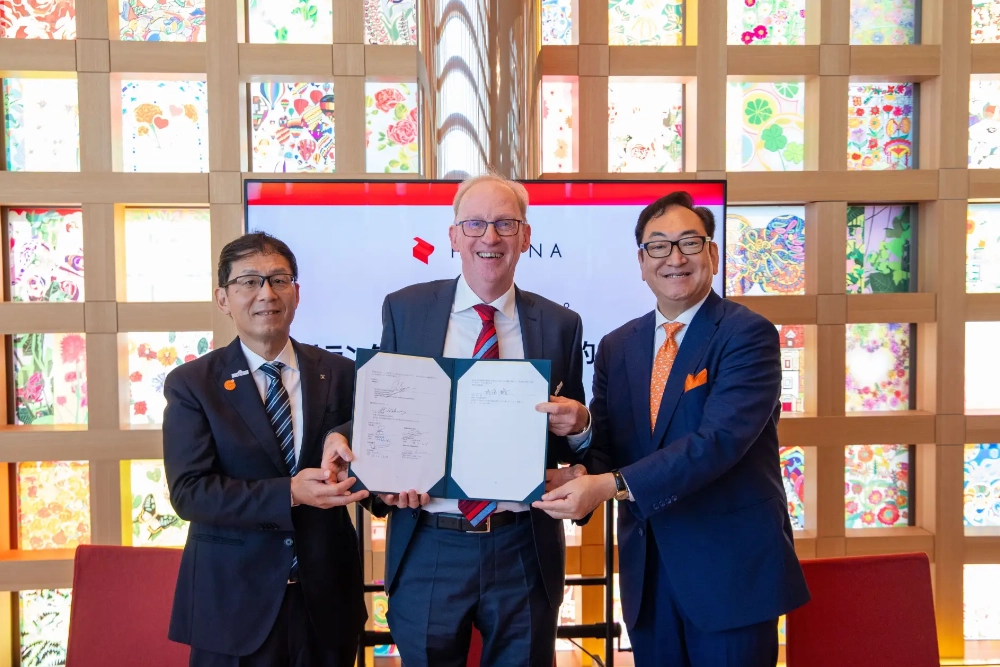
The Netherlands Pavilion at Expo 2025 Osaka will transition to a permanent role on Awaji Island following the conclusion of the international event. The Dutch-Japanese consortium AND BV announced a basic agreement with Pasona Group last month for the purchase and relocation of the structure. This ensures the pavilion avoids the typical fate of temporary exhibition buildings, which often become waste once an expo ends.
The pavilion was designed from the beginning to be fully demountable and reusable. The consortium AND BV, comprising RAU Architects, DGMR, Tellart, and Asanuma Corporation, selected every component based on durability and traceability. Designers treated the building as a material bank, thus ensuring that the physical resources could be repurposed for a new function without losing their value.
Pasona Group, a Japanese multinational specialising in human resources, will integrate the pavilion into its ongoing regional revitalisation efforts on Awaji Island, Hyogo Prefecture. The company already has established various projects on the island spanning agriculture, education, and tourism, and will relocate the pavilion to the Awaji City Yumebutai Sustainable Park. The relocation matches Pasona’s focus on sustainable development and community building, and is poised to provide a physical space to continue the pavilion’s theme of Common Ground.
Pasona Group will relocate the pavilion to the Awaji City Yumebutai Sustainable Park in Hyogo Prefecture. The project is part of the company’s broader Office Project, which aims to create new regional vitality by establishing unique workplaces on the island. The pavilion will transition from a temporary exhibition space into a permanent hub for international exchange and community interaction.
Thomas Rau of RAU Architects stated that material resources in architecture should never end as waste. He shared that the Netherlands Pavilion serves as proof that buildings can be designed as material banks that are fully remountable and reusable for different purposes.