 Tomoyo Matsuda
“Creating a global brand from a developing country.”
MOTHERHOUSE began in 2006 with this mission, producing 160 jute bags in Bangladesh. In March 2026, the company will celebrate its 20th anniversary. At a press conference held earlier this year at its flagship store in Tokyo’s Akihabara, President and Chief Designer Eriko Yamaguchi and Executive Vice President Daisuke Yamazaki unveiled not only new products, but also the vision for a new factory in Bangladesh, the “Green Factory,” set to be completed in 2029. The emphasis was on the significance of choosing business over charity.
“Why not just donate?”
When MOTHERHOUSE first started, the idea of doing business in a developing country was often met with skepticism: “Why not just donate?” At the time, Bangladesh was often referred to as the “poorest country in Asia,” and was typically discussed as a recipient of aid.
But MOTHERHOUSE saw potential not in poverty, but in the materials and craftsmanship. Starting with jute bags, the company has since expanded its production bases to six countries: Nepal, Indonesia, Sri Lanka, India, and Myanmar.
In Bangladesh, its first production site, the company’s own factory, Matrigol (“Mother’s Home”), now employs around 400 people. The decision to establish an in-house factory rather than outsource was rooted in the belief that you can’t create good products without an equal partnership.
The practice of “never stopping orders”
At the press conference, Executive Vice President Daisuke Yamazaki stressed the importance of continuity. “If sales drop, orders stop. And if orders stop, we can’t protect jobs.”
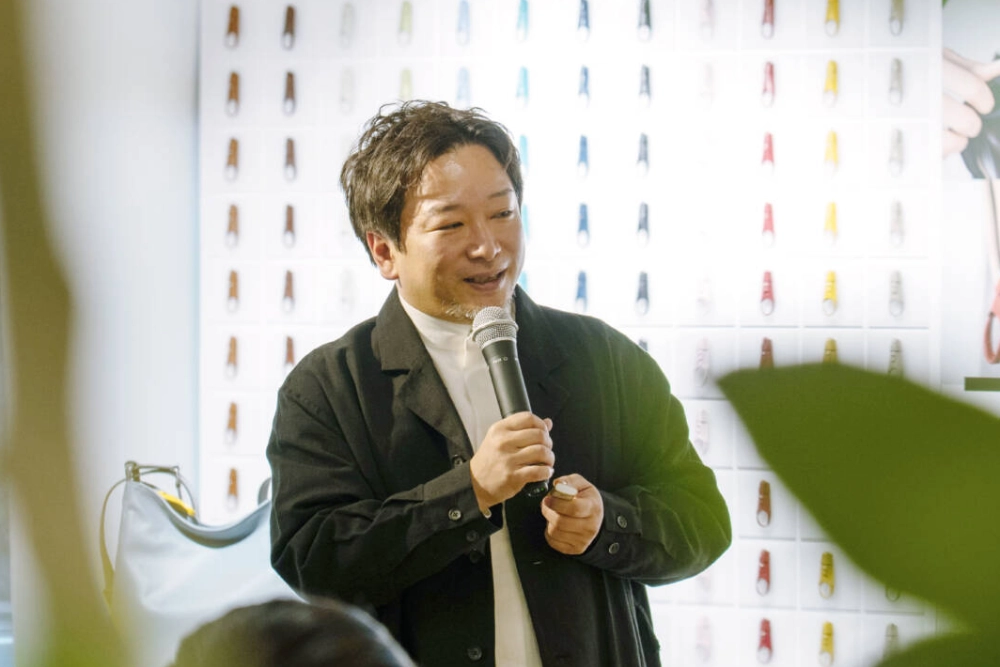
While social initiatives often drive discussions about manufacturing, Yamazaki argued that economic sustainability is the foundation. Instead of one-off bulk orders, MOTHERHOUSE commits to monthly orders and consistent wages. This stability enables investment in facilities and workforce development, ultimately improving the lives of workers.
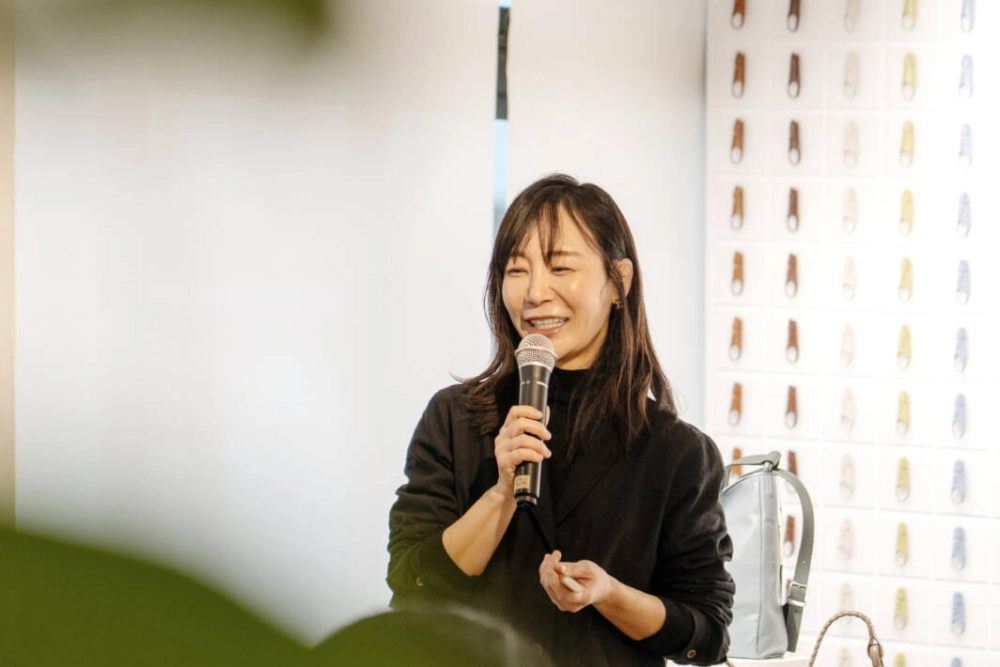
“In an industry where many companies withdraw after just three years, 20 years of commitment carries weight,” reflected President Eriko Yamaguchi. To date, MOTHERHOUSE has delivered approximately one million products. Each may be small, but their cumulative impact has sustained the relationship between the factory and the brand.
Turning the factory into a second home
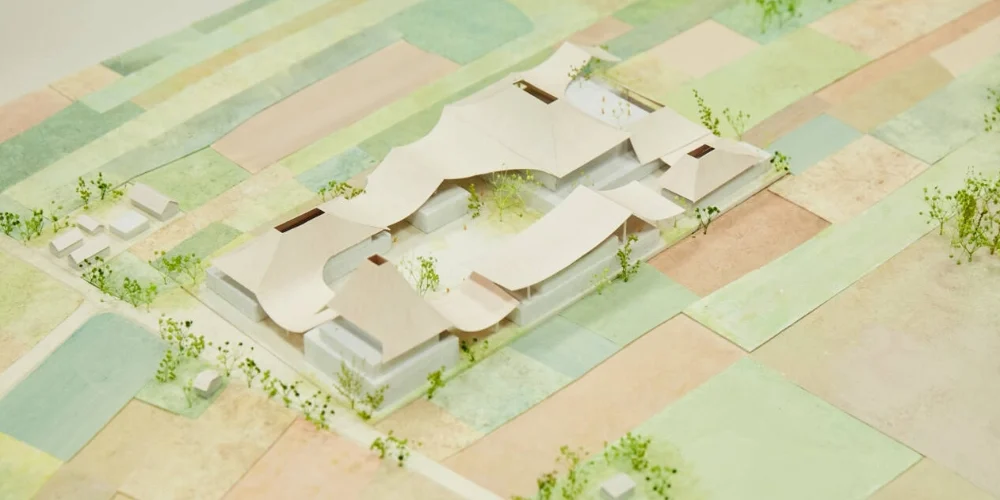
One of the most striking announcements was the plan for the Green Factory in Bangladesh, slated for completion in 2029. The new facility will relocate and expand the current factory, aiming to employ around 1,000 people. However, the project’s defining feature isn’t its scale, but the inclusion of a hospital and daycare centre on-site, open not just to employees but also to local residents.
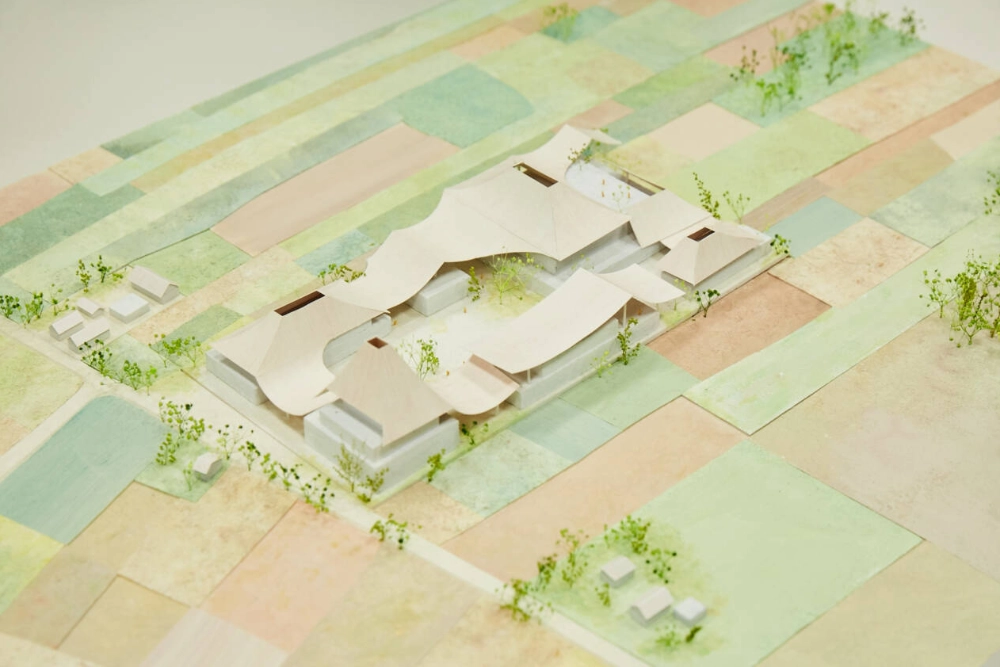
Why a hospital in a factory? In Bangladesh, access to healthcare varies by region. Illness in a family can directly impact job stability. Providing medical care isn’t just a benefit for employees, it’s a way to support the entire community’s livelihood.
“We don’t want the factory to be just a place to earn money. We want it to be a second home—somewhere people want to go,” said Yamazaki. Yamaguchi added, “We want workers to come to the factory feeling happy and energised.”
The Green Factory is designed to answer a fundamental question: How can we improve the quality of time spent at work, beyond just efficiency and output?
Small innovations, big philosophy
The new product announced the same day, Zipzip, embodies the brand’s position.
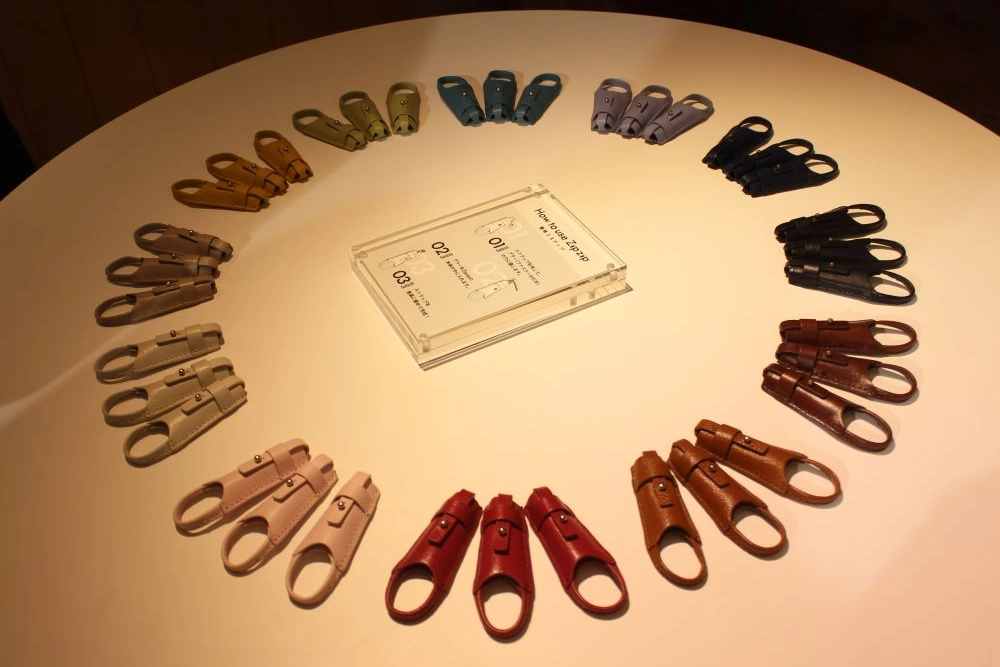
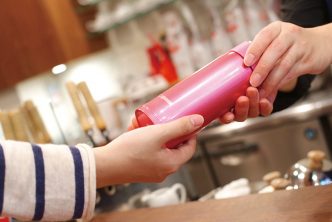
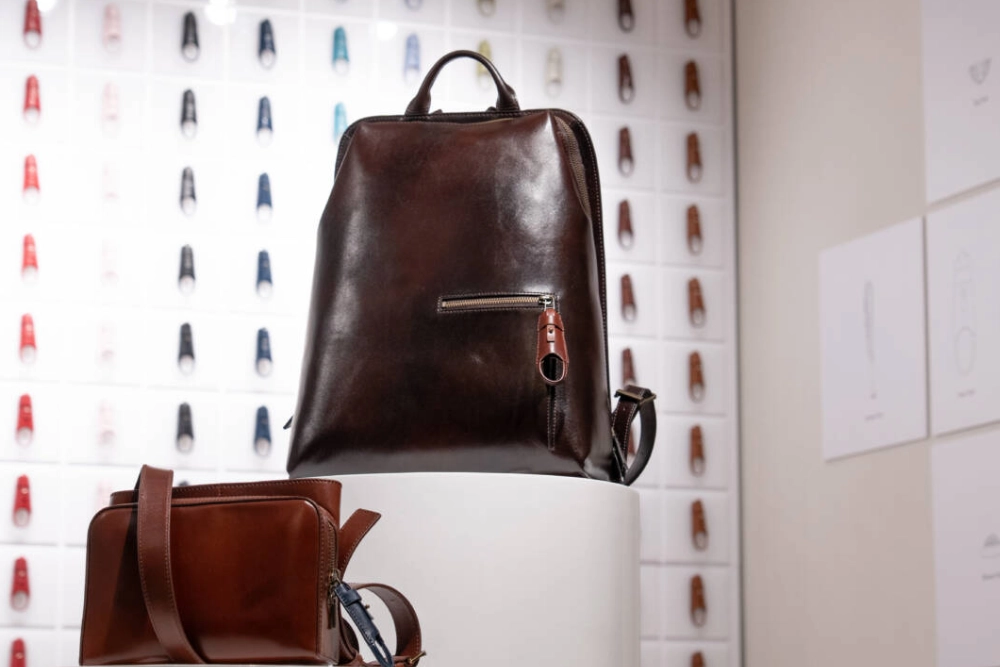
A small leather charm that covers a bag’s zipper pull, Zipzip was born from the question: “How can we make people love the bags they already own even more?” Using the high-level craftsmanship MOTHERHOUSE has cultivated, each charm goes through over 20 production steps. By attaching it to an existing bag, users can refresh its look and find new reasons to keep using it.
This approach of improving the little things mirrors the philosophy behind the Green Factory: progress isn’t just about overhauling systems, but is also about layering thoughtful, small-scale improvements.
Bridging divides through products
By 2025, the company had also begun expanding its e-commerce operations into the United States. Yamazaki remarks, “Asia still feels distant to many in America.” He believes that the products themselves can bridge that gap. Even across differences in religion and culture, shared values resonate, like working for family and wanting to create good things. Products, he explains, serve as a medium for conveying these sentiments: “There is meaning in delivering the message that ‘there are countries like this’ and ‘there are artisans like us’ through our products.”
The press conference also highlighted the company’s practice of giving lectures in response to requests from schools and inquiries from students. Staff and store managers visit high schools and universities across Japan, sharing in their own words the realities of manufacturing in developing countries and the brand’s philosophy.
While sensing a growing interest among younger generations, Yamazaki also expresses caution toward the trend of many companies promoting themselves as socially good. “Precisely because the term ‘social’ is widely used today, we need the ability to discern what is truly meaningful,” he notes.
In an era where interest is expanding alongside misunderstandings and superficial understanding, the weight of responsibility to communicate thoughtfully is palpable.
Editor’s Note
At the end of the presentation, when asked, “What do you want to achieve in the next 10 years?” Yamazaki paused with a slight smile before replying, “To be honest, I don’t have one.” A bold statement from a business leader, but he followed it by saying, “I believe what matters more than goals is the way we are.”
No one can accurately predict what the world will be like in ten years. Could anyone have imagined the current situation a decade ago? he asks. That’s why he prioritises doing what is truly needed at any given moment, constantly considering whether he can be of help to those in need. That, he says, is what he wants to hold dear.
When he first entered this industry from a different field, Yamazaki was shocked to find that production sites and contractual structures were often “black boxes.” It was difficult to see who was working under what conditions, and he knew there were people suffering in that opacity. Faced with this reality, he decided, “I want to pursue honest manufacturing.” This conviction became the starting point for 20 years of practice.
He doesn’t present a clear ten-year plan. However, he does say, “I want to deliver to more people.” Balancing the well-being of everyone involved with reaching a wider audience is not easy, but he chooses to focus on daily decisions rather than a fixed vision of the future. At this 20th anniversary milestone, his message wasn’t about grand ideals, but about the commitment to remain sincere in each moment.
Originally published on IDEAS FOR GOOD.
[Reference] MOTHERHOUSE Homepage[Reference] MOTHERHOUSE Zipzip™ Feature Page