 Zenbird Editorial Team
Nagoya-based REMARE and Okinawa-based Cultivera announced their joint project to implement a Thermal Upcycle model, aimed at circulating composite plastics.
Composite plastics are technically challenging to sort and recycle since they consist of multiple resins. Consequently, these materials are usually incinerated. The new project addresses this difficulty while also tackling the high energy costs faced by greenhouse farmers. The companies define Thermal Upcycle as a two-stage process that extracts value from plastic waste twice: first as a high-value building material and finally as a heat source for food production.
REMARE will use its proprietary Lateral Recycling technology to transform composite plastics into interior materials, furniture, and fixtures. This process increases the value of the waste material from approximately 5 yen per kilogram as raw fuel to 2,000 yen per kilogram as a finished product, a 400-fold increase in the commercial value of the plastic. The company views this stage as Material Storage, where plastic is kept within the social infrastructure for a long period rather than being immediately discarded.
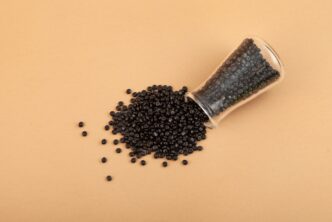
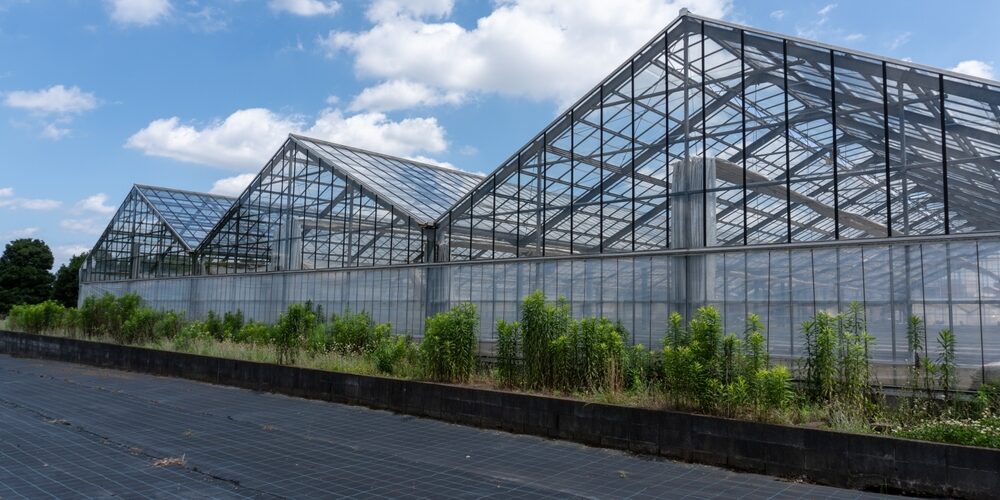
Once these building materials reach the end of their functional life, they are collected, dismantled, and processed into Refuse Paper and Plastic Fuel (RPF). This fuel is then supplied to greenhouses using Cultivera’s Moisculture technology. Moisculture is a patented cultivation method that grows crops by controlling humidity environments without relying on soil, making it suitable for areas with limited water resources or salt damage. Preliminary calculations estimate that the cost of heat energy could be reduced to one-eighth of the cost of electric heating and half the cost of heavy oil heating.
The project aims to create a regional circulation loop where waste generated in urban areas supports food production in rural regions. Shohei Toyonaga, CEO of Cultivera, explained that combining Moisculture with REMARE’s upcycling approach allows for a facility-based food production system where both the cultivation racks and the heat source are supplied from plastic waste.
[Reference] PR Times (Japanese)